
When you are on the water, few things will ruin an otherwise good day more faster than an outboard motor that refuses to work when you need it the most. If you crank the throttle on your inboard outboard motor up to full throttle, there is a possibility that you may encounter a sputter from the motor or no power at all from the motor altogether. When your outboard motor is not working, you will have to sit and wait for it to begin to work again while trying to fix the problems of the motor.
Outboard motors has five essential components that work together to power the motor. The engine is exposed to the elements on the water and will find every weakness in the motor over time. However, most outboard motor problems follow a similar path and the motor owner can easily identify them.
If you can recognize the symptoms of an outboard motor problem, you can fix most problems while you are at the dock. Alternatively, you can take the time to prevent these issues from developing in the first place by becoming familiar with the symptoms of these problems. There are many problems for outboard motors, but the situations listed in this article will help you recognize each of these problems and how to fix them.
Common Outboard Motor Problems To Watch For
1. Fuel Problems
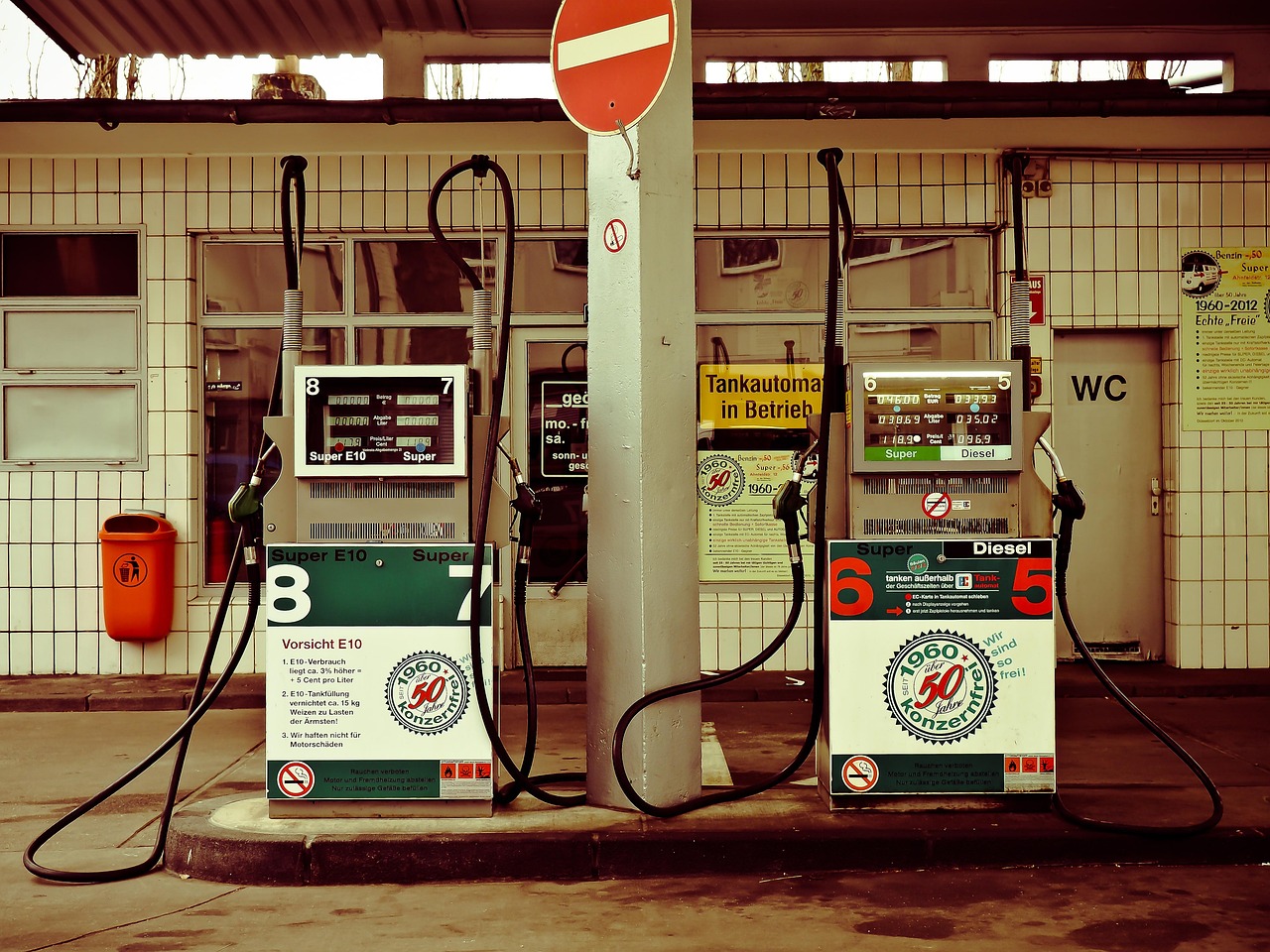
The first problem that will occur with an outboard motor is a fuel problem. Gasoline that contains ethanol will attract water to it over time. This water will cause the fuel to become gummy and will coat the carburetors.
If you start your motor after the boat has been idle for several weeks, the engine may not start or will last for about thirty seconds before the motor stalls out. The solution to this problem is to drain the fuel from the tank, change the fuel filter, and clean the carburetors. For in-line fuel injection models, the gummy fuel will have clogged the injectors, causing the same symptoms as a carburetor problem.
2. Fouled Spark Plugs
If the fuel has been sitting in the fuel tank for long periods, it will turn against you. Another problem with inboard outboard motors is a fouled spark plug. The spark plug will fail to ignite the fuel in the combustion chamber, causing the engine to miss at every speed.
If you remove the spark plug, there will be black soot and oil in the plug, indicating that the engine is running rich or burning oil due to worn engine rings. In some cases, the spark plug will wear down if used for several seasons. Replacing a spark plug takes five minutes.
However, reading the spark plug can tell you more about the health of the motor. If the spark plug is tan and dry, the fuel mixture is correct. However, if the spark plug is black and wet, you have to investigate further into the condition of the engine.
3. Engine Overheating
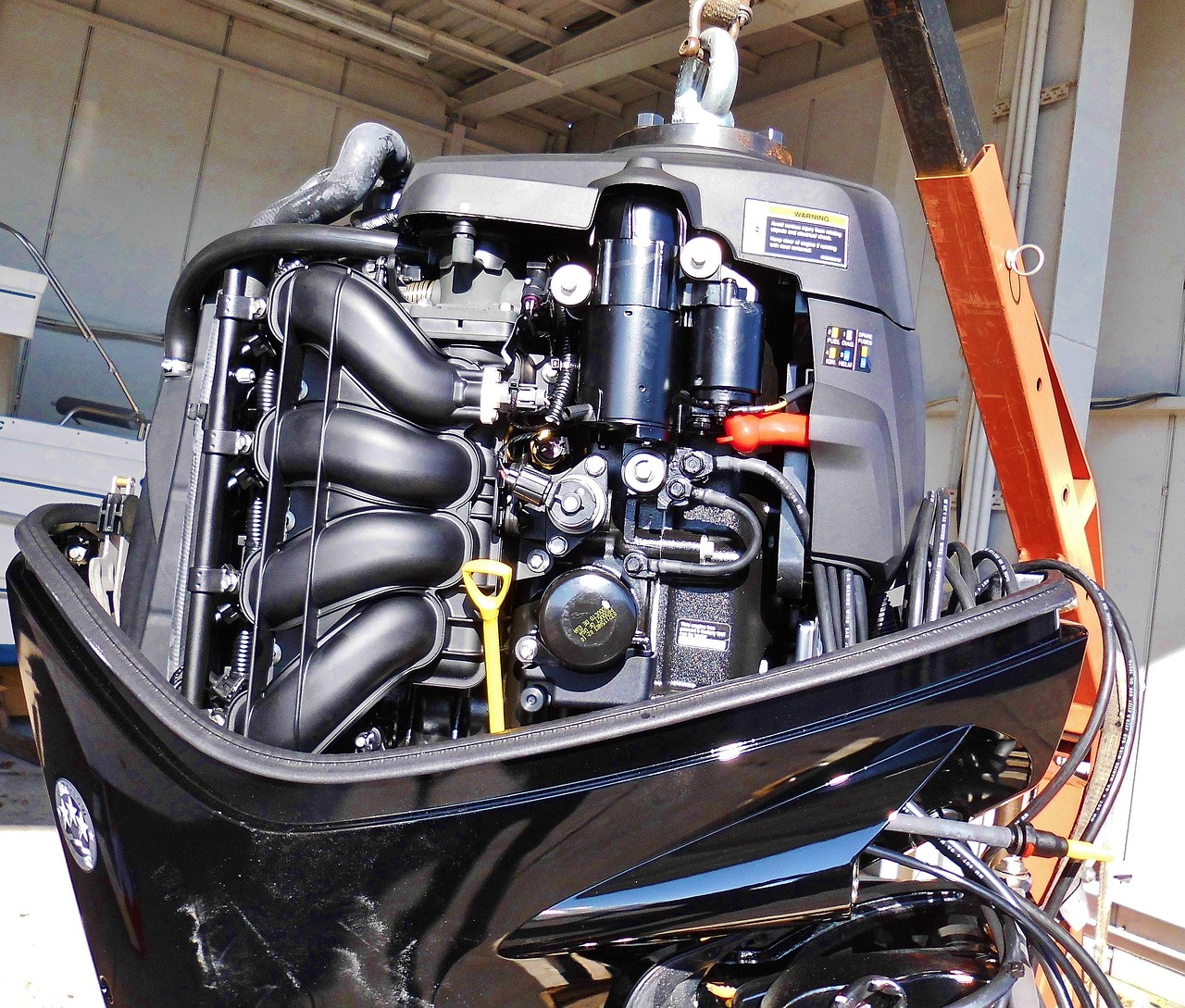
Overheating of an outboard motor can happen fast and destroy the engine in a matter of minutes. The first sign of overheating is the temperature gauge being high on the motor or the cooling fluid seen disappearing from the motor’s exhaust. A blocked cooling intake, broken impeller, or collapsed hoses causes overheating.
Plastic bags will get sucked into the motor while the outboard motor is in the water. One of the worst things about overheating is that most engines will not provide many warnings prior to the engine overheating. However, by taking the time every season to inspect the impeller and remove any debris will prevent the engine from overheating.
4. Electrical System Issues
The next problem with inboard outboard motors is the electrical system on the motor. These problems will cause frustration as the symptoms will change from day to day. For instance, one day the motor will refuse to start with the starter, but the next day, the motor will start fine but the tachometer will read zero.
Salt spray getting into the motor’s electrical components causes most electrical problems. The salt spray will eat away at the metal and create green powder that will disrupt the electrical circuit. The solution to this problem is to clean the electrical components with an electrical contact cleaner and then lube them with dielectric grease.
You will save money with the dielectric grease as it will prevent these electrical problems from happening.
5. Water in the Fuel
Another problem that occurs with inboard outboard motors is water in the fuel. This water will cause the engine to stumble when the boat turns.
Bubbles will be present in the fuel filter. The ethanol in the fuel drawing moisture in from the air causes the water in the fuel. The water will condense in the fuel tank and sit at the bottom of the fuel tank where the fuel pickup tube is.
To prevent the water from entering the engine, place a good fuel filter with a water separator in the fuel system. To fix the problem, simply drain the fuel tank and replace the fuel with fresh fuel. However, the best solution is to treat every tank of fuel with a fuel stabilizer and replace all fuel filters before the fuel becomes sludge.
6. Propeller Damage
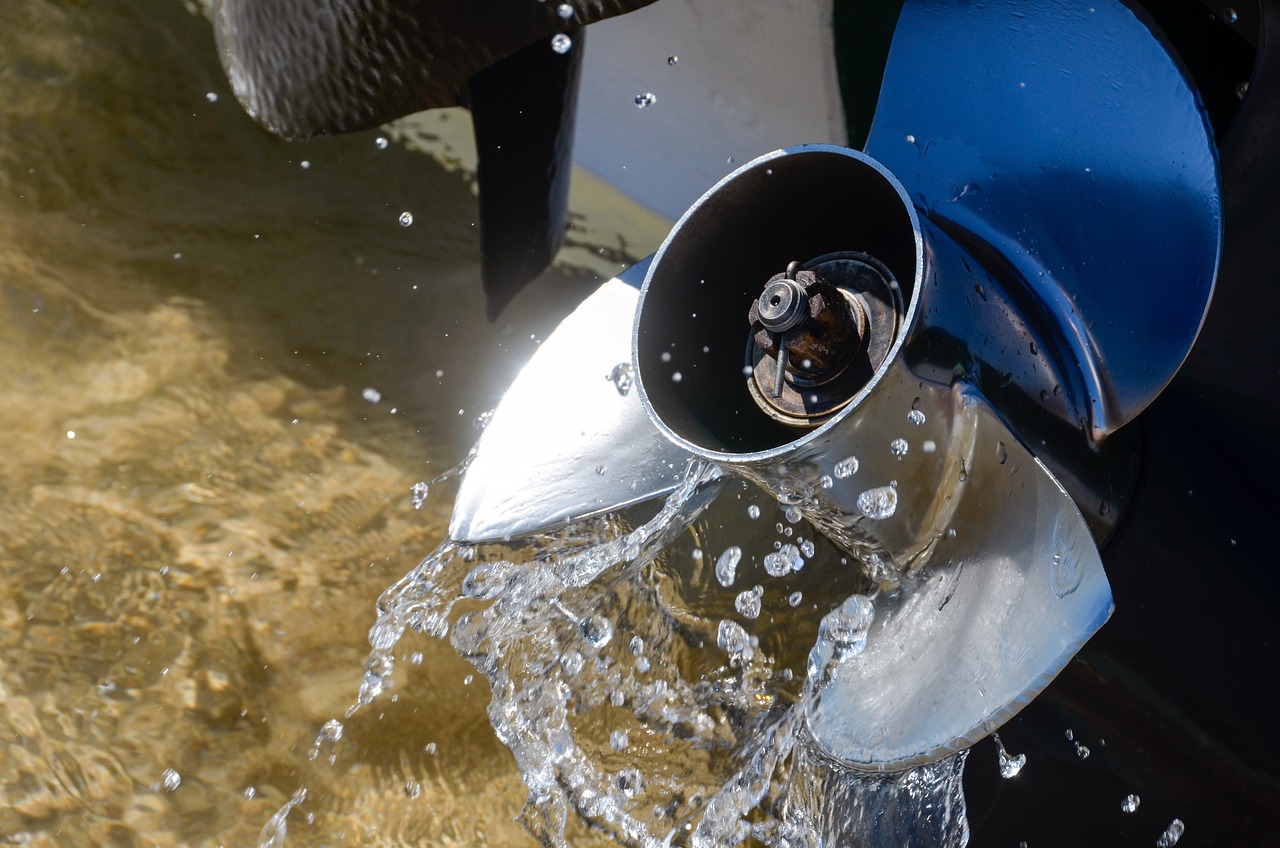
Propeller damage will mimic other problems with the motor. For instance, the vibration in the motor will happen at different speeds, or you will notice that the motor does not reach high speeds. The propeller may be damaged and throwing the propeller out of balance.
The hub may have seized within the rubber bushing around the propeller where the propeller hit an object in the water. If you have a spare propeller with the tools to replace it, change the propeller. The replacement propeller does not have to be fancy but should be of the correct pitch for your motor.
7. Vapor Lock
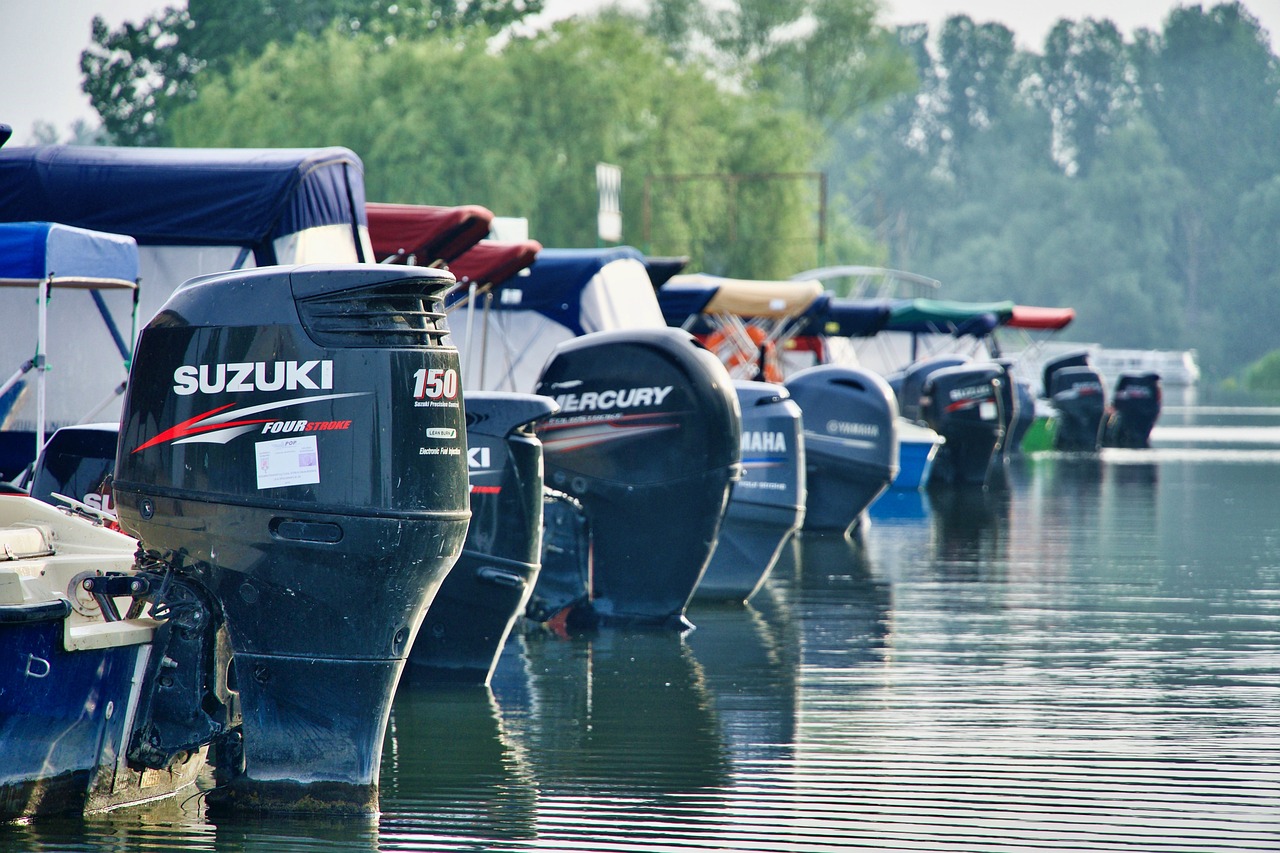
One of the most annoying problems with inboard outboard motors is when the engine will not start when the engine is very hot. This is called vapor lock. The fuel has turned to vapor in the fuel lines, preventing the engine from being supplied with liquid fuel.
This problem is common in older two-cycle engines exposed to the sun. The solution is to insulate the fuel lines or ensure that the engine receives good ventilation from the engine compartment. For four-cycle engines, the problem may be a stuck choke plate.
The three-cycle engines have a sticking idle fuel control valve. Regardless of the cause, if the motor started fine it will take ten minutes to start again when it is hot.
8. Worn Motor Mounts
Another problem with inboard outboard motors is that the motor mounts have worn down. You will notice this when the engine vibrates or when the engine shifts under load. The rubber motor mounts have broken down over time after absorbing the engine’s vibrations from the water and the bumps of the trailer. If you watch the engine while someone else is shifting the engine from forward to reverse, the engine may shake excessively.
If it does, the motor mounts need to be replaced.
9. Lower Unit Oil Issues
Finally, another very common problem with inboard outboard motors is that the oil in the lower unit of the motor has not been changed in a while. The water that enters the motor oil causes the oil to turn to a milky white color and loses its ability to provide lubrication to the moving parts in the motor.
If you drain the oil and see a mayonnaise color in the oil, you will have to repair your motor. Changing the motor oil every hundred hours of use or once a year will prevent the oil from breaking down and the seals from failing. Even though the process is simple, skipping this task will eventually destroy the motor.
These problems all share a common thread. Each problem is the result of neglecting the motor. If you spend a few minutes checking the fuel filter, inspecting the coolant system, and checking the motor’s electrical components prior to every trip, you will save yourself the trouble of having to fix these problems.
Most outboard motors are far from magic. They are a machine that will work for you if you give them the care that they deserve. You should remember this information the next time the motor starts without any trouble.
The smooth start of the motor is not a matter of luck. It is the result of avoiding the troubles that you just read about.