
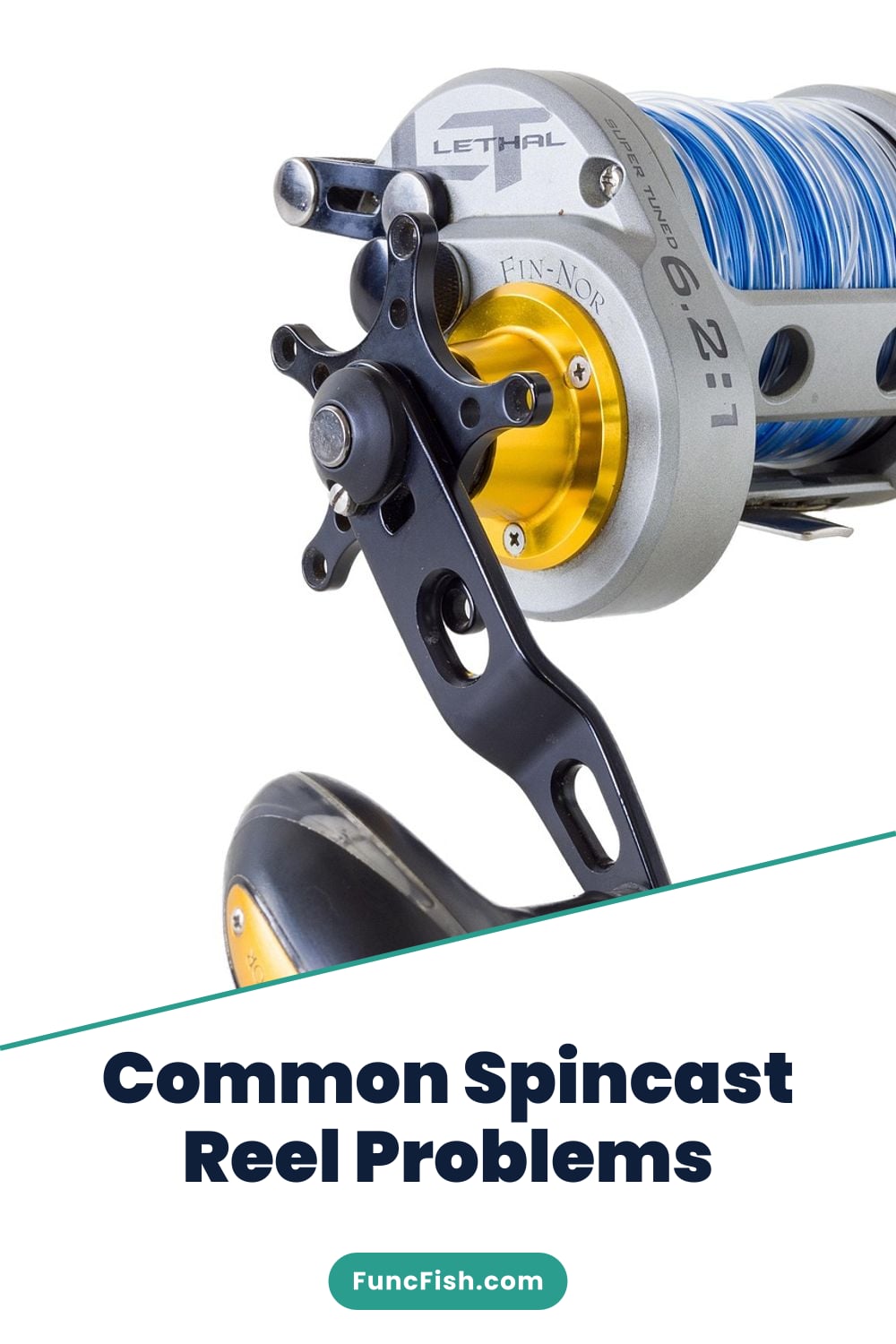
It’s tempting to think that spincast reels is a simple piece of equipment. A nose cone protects the inner workings from elements, and the outside appears uncomplicated. These reel cast well and are easy to maintain.
It makes sense that they are a favorite among fishermen who likes fishing with plastic worms in ponds. They are also great for introducing kid to fishing without tangling. But don’t let its simplicity fool you.
A closed system prevents dust entry while locking issues within. What starts as an easy retrieve quickly becomes effort-filled fight against friction. Because these reels don’t need lots of adjustment, it’s easy to think that there’s nothing that can go wrong with them.
You push the button, then turn the handle and that’s about it. But when something does happen, it seems like a bit of voodoo because we can’t see what’s going on in side. It won’t turn the knob.
The line doesn’t feed. It makes a big clacking sound but doesn’t move your line. Knowing some of most likely malfunctions will help determine if you should fish it anyway or head back to truck to fix it yourself.
It’ll also keep you from sending a perfectly good reel to the junk pile because you didn’t know how to fix one small thing. Below is a list of the most common reasons your spincaster might be broken. These reason range from minor mistakes on our part to mechanical wear and tear, which signals it’s probably time to replace an old one.
But knowing what to check will help you troubleshoot and get more use out of whatever gear you have. Try the easy stuff first before writing it off as a broken set of gears inside. Most noticeable are any issues related to casting mechanism.
Common Spincast Reel Problems And Fixes
The nose cone must slide forward to release line during a cast. However, most of the time, the nose cone doesn’t move all the way back in place or sticks. That’s because accumulated dirt, salt water residue, and dried lubrication will form around rail where the nose cone slides.
If that cover won’t lock down, you cannot cast again until you push it back in by hand. That is why many anglers miss their window in strike zone. Just a drop of light oil in the sliding tracks and a quick wipe down with a damp rag generaly makes things right as rain immediately.
1. Tangled Line Inside Reel
Another big issue experienced by spincast owners is line tangling within the nose cone. Although touted as an anti-tangle device, even spincasts will be bird’s nested if you overload them with line or if your line becomes nicked and begins to fray within housing. Either you over-cast beyond the reel’s capacity, or your line gets nicked and begins to fray within the housing.
This cause the fraying line to grab onto itself while cranking, creating a mess that must be taken apart to fix correcty. Don’t attempt to jerk the line free from the outside as this just makes it tighter and tightens knot more. Carefully take off the face plate and with patience work the knot loose with tweezers if needed.
2. Worn Internal Gears
If you feel like something is dragging around or grinding as it’s being reeled in, then there’s a good chance its internal gears are worn out. Internal plastic cogs fits together to move the rotation from your hand into the spool. As they take abuse over time (especially if you wrestle big fish regularly) they can begin to chip teeth or wear them away entirely.
You’ll notice an unmistakable clicking noise that doesn’t coincide with retrieving your line. This usually points to worn internal gears that typically cannot be fixed and are permanent. Replacement parts for old reels are almost impossible to locate so this grinding sound tend to be the last breath of the reel’s life.
3. Drag System Failures
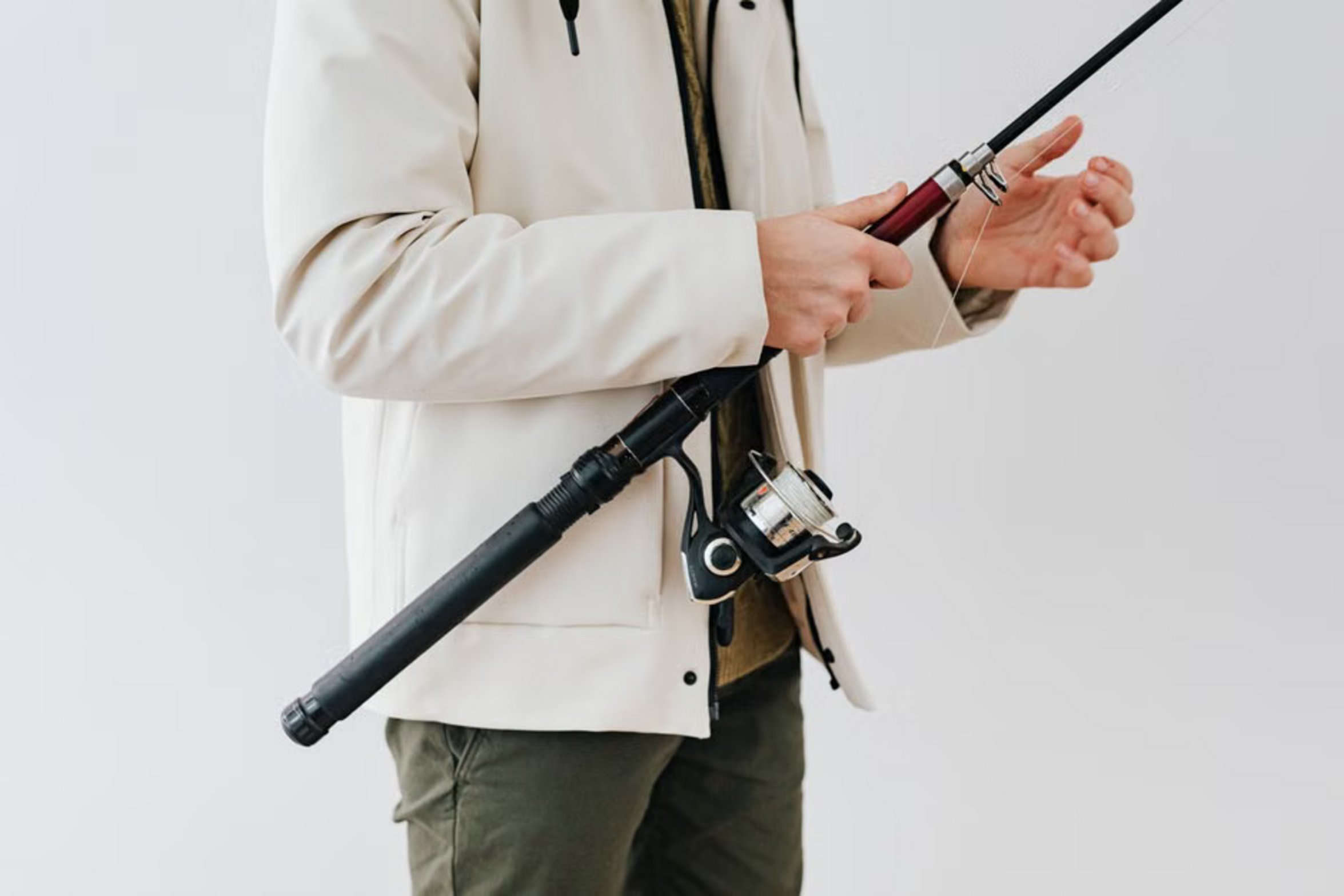
Another issue with the drag system is that it may totally seize up or simply stop responding. Spincast drags are notorious for being finicky. The drag consist of felt pads inside the knob that make contact with a metal plate.
When the pads get wet, they expand and no longer have a nice smooth friction property to them. When they dry out, they get hard and lumpy. Then you end up with a drag that will either not engage at all or grab and release in an uneven way.
Sometimes just taking the knob off and checking the felt and replacing it with new if you can find some, would of solved the problem.
4. Sticky Release Button
Line will not release on the cast; Button sticking: The release button must stay depressed to keep the nose cone open until your hand passes front of the rod. When the release button pops up prematurely because the button spring got weak or gummed up with grit, the nose cone covers close abruptly before you complete your casting motion.
You may end up jamming your line, making a short cast, or at best getting a false cast when you try to make another one. A quick cleanup with an alcohol-dipped cotton swab (or compressed air) around the button shaft often returns it to working order. This is just a little preventive maintenance to avoid lots of trouble on the water.
5. Saltwater Corrosion Damage
If you’re a regular saltwater angler, your reel’s going to be subject to corrosion over time, which eats away at it from the inside out. Although reels are sealed, they’re really more water-resistant than waterproof. Anywhere there is a gap (like around bearings and screws), the moisture gets in there, finds the metal parts, and begins to corrode them.
You’ll begin to notice some rust marks on the outside screws. You might also feel how gritty the reel has become when you turn the handle. At that point, it’s too late; you’ve permanently lost the smoothness of the reel because the gears and shafts have been affected by corrosion.
If you fish out of saltwater, flushing the reel with fresh water after each trip is essential to its long life. Otherwise, it’s a disposable reel… And you’re paying for it.
6. Improper Line Spooling
A loose screw equals poor structure for the whole unit A few small screws hold the nose cone assembly to the face plate and keep the whole unit in place inside the casing of a spincast reel. Over time, especially with repeated accidental drops or during fish fights, those screws may come loose. If so, the pieces will slip out of position and cause line to rub on internal walls, or cause the gears to mesh incorrectly.
Before each trip, make sure your screws are tight. It takes ten seconds. A lot of the other issues mentioned here stem from this.
Spooling the wrong way causes more backlashes and shorter casts. The line should be spooled onto the reel in an even manner so that each layer is stacked neatly on top of each other with the bottom of the line touching the spool. Spooling line properly allows for maximum casting ability.
It avoids valleys or ridges that cause extra friction during the cast. This friction can cause the line to dig into itself, creating drag that prevents the spool from spinning freely. When winding line on always do so using the proper technique under light tension either by hand or with a drill press or helper reel.
7. Dried Out Rubber Seals
Over time, old rubber seals will dry out and begin to crack. They’re found at both ends where the handle connects to the main shaft and they serve as protection from grit and water getting in. Rubber gets brittle with age and begins to lose its stretch.
Tiny gaps develop where it once sealed and allow for moisture to speed up corrosion on the internals of your reel. The cracks aren’t always visible until the reel begins to fail internally. Someone who knows how to do it correctly must replace the seals, and the new seals must match exactly.
If water gets into the housing, assume the seals are shot. If you have an emotional connection to the reel, maybe this is the time to retire it. So knowing this will help you take better care of your gear and replace what’s really needed.
A spincast reel is a workhorse reel and deserves some simple maintenance to perform well year after year. It doesn’t take any special adjustments. Just make sure it’s cared for properly and pay attention to the details when cleaning and using it.
Pay a little closer attention to its mechanics every now and then. Keeping it clean and treating it with respect will make your next day on the lake go smoother, your casts will be further, and your frustration level will be lower. Just remember it’s all about having fun in this game without any headache caused by machinery.