
Behind every statistic there’s a story. This story often goes untold until now. It is a tale off Florida’s underwater crisis hiding just under the surface.
Home to some of the best beaches and most abundant marine life, the Sunshine State are known for its coastlines. But behind that beauty lies a delicate truth. A combination of overfishing, pollution, and habitat loss have caused many of the state’s fish populations to vanish from the dinner table and aquarium tank.
But these fish aren’t gone… They’re simply not around anymore. And their dissapearance affects the ecosystem’s food web.
Knowing about endangered fish will help you understand why conservation matters and where we should focus our efforts. It will also change how you look at water right outside your front door. The list of six fish presents some of the most threatened Florida species.
They are not random; they illustrate different types of ecological role and survival challenge. Some are slow-growing giants, while others is inhabitants of delicate reef ecosystems. Every one is an example of a story involving human impact and environmental pressure.
If we understand these fish, we will appreciate what we stand to lose. We can make the abstract conversation of conservation into something more real: biology. One iconic example of a victim of the old way of fishing is goliath grouper.
Six Endangered Fish Species in Florida Waters
1. Goliath Grouper
It’s a monster of a fish, reaching hundreds of pounds and living well beyond half a century. They was once abundant, swimming by the thousands on Florida reefs where they offered protection for other species. In 1990, anglers were banned from fishing them and thanks to that moratorium, they haven’t gone extinct.
But they has taken forever to recover because their reproduction is very late in their life span. As such, their population is rebounding slowly. Today, you rarely see them.
That’s not often and it’s a treat when you do. Because they’re big, they’re targets for spear fishermen who think they are something else and are vulnerable to boat strikes. To conservation types, their presence is also a good sign of a healthy reef.
Finally, the Atlantic sturgeon is an old line of fish that has been fighting to overcome barriers we build with moddern development.
2. Atlantic Sturgeon
This prehistoric looking creature migrates back and forth from the sea into freshwater rivers, and this move must happen through open waters. In most Florida river systems such as the St Johns and the Suwannee, dams and urban development have closed off their migration paths.
Without access to spawning areas their populations crashed dramaticly during the past century. They feeds on bottom dwelling invertebrates and are important nutrient recyclers. Their problem isn’t much about direct fishing, but it is an issue of infrastructure.
Reconnecting their migration pathways is among the most challenging engineering problems facing conservationists today. A more extreme case study in reef dependency is gopher butterflyfish.
3. Gopher Butterflyfish
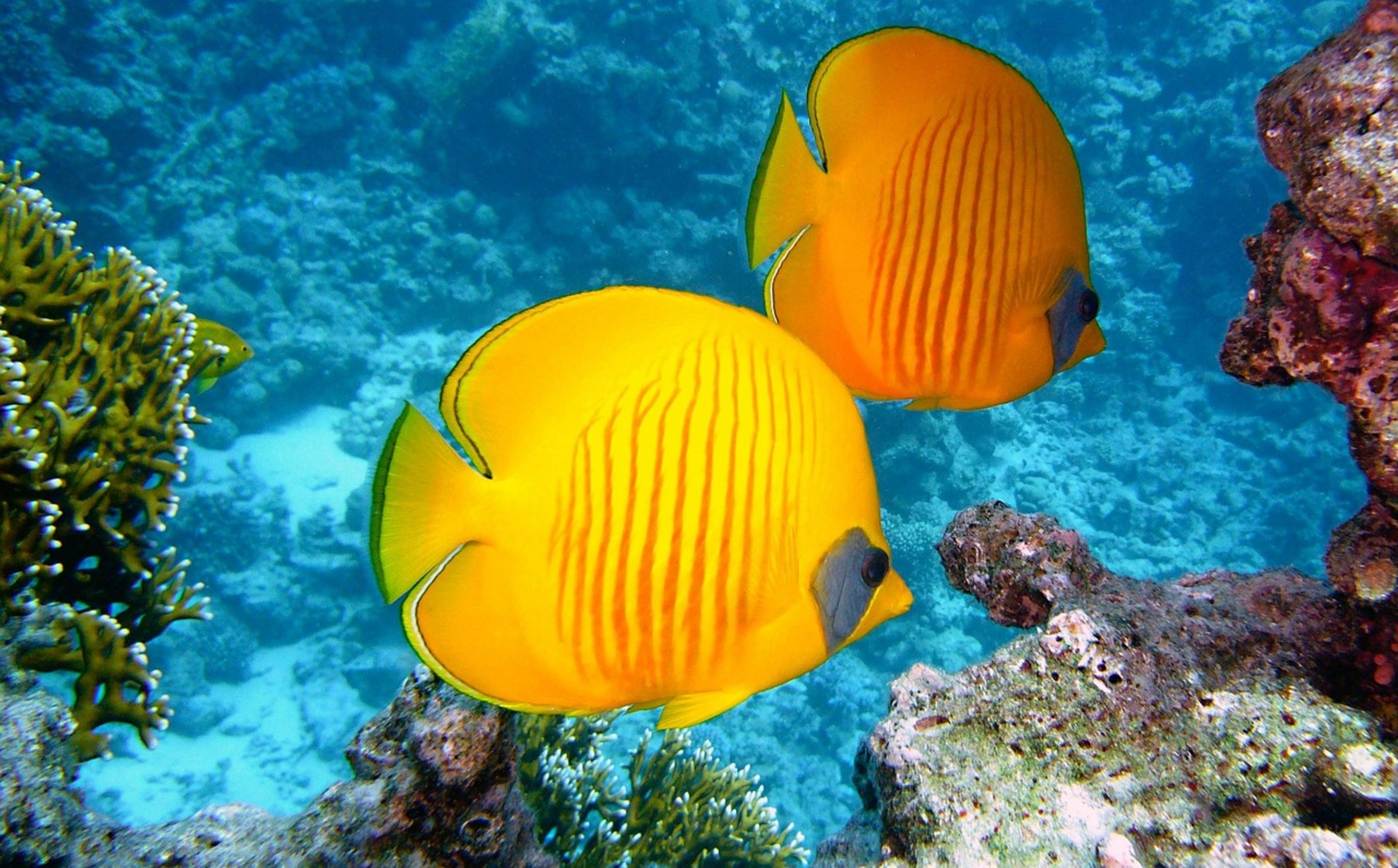
A very colorful little fish, these guys eats nothing but live coral and use it as cover all their life.
In an age when coral bleaching is happening with increasing regularity in the Keys and Florida Bay, the butterflyfish is running out of base camp. Without the coral polyps it eats, it will not last long at all. The fish’s death indicates a greater breakdown in ecosystem than simply losing a species.
Save the reef, save the butterflyfish. From the open ocean to freshwater habitats, the American eel is under many pressures.
4. American Eel
This species of catadromous fish migrate from estuaries and rivers all the way back to the Sargasso Sea for reproduction.
That’s thousands of miles of travel through open ocean, where they are exposed to fisheries on nearly every continent they pass by. Adult populations has been dramatically reduced due to bycatch in fisheries around the world. In addition, the juvenile growth areas is further limited by freshwater habitat damage in Florida.
They look like cousins to the electric eel, but biologically they are different. Learning about its life cycle helps show just how interconnected local conservation efforts are to global fishing practices. The dam in Florida impacts eels out in the middle of the Atlantic Ocean as well.
Southern Sturgeons are close cousins to their Atlantic cousins, but they face different challenges in southern Florida rivers.
5. Southern Sturgeon
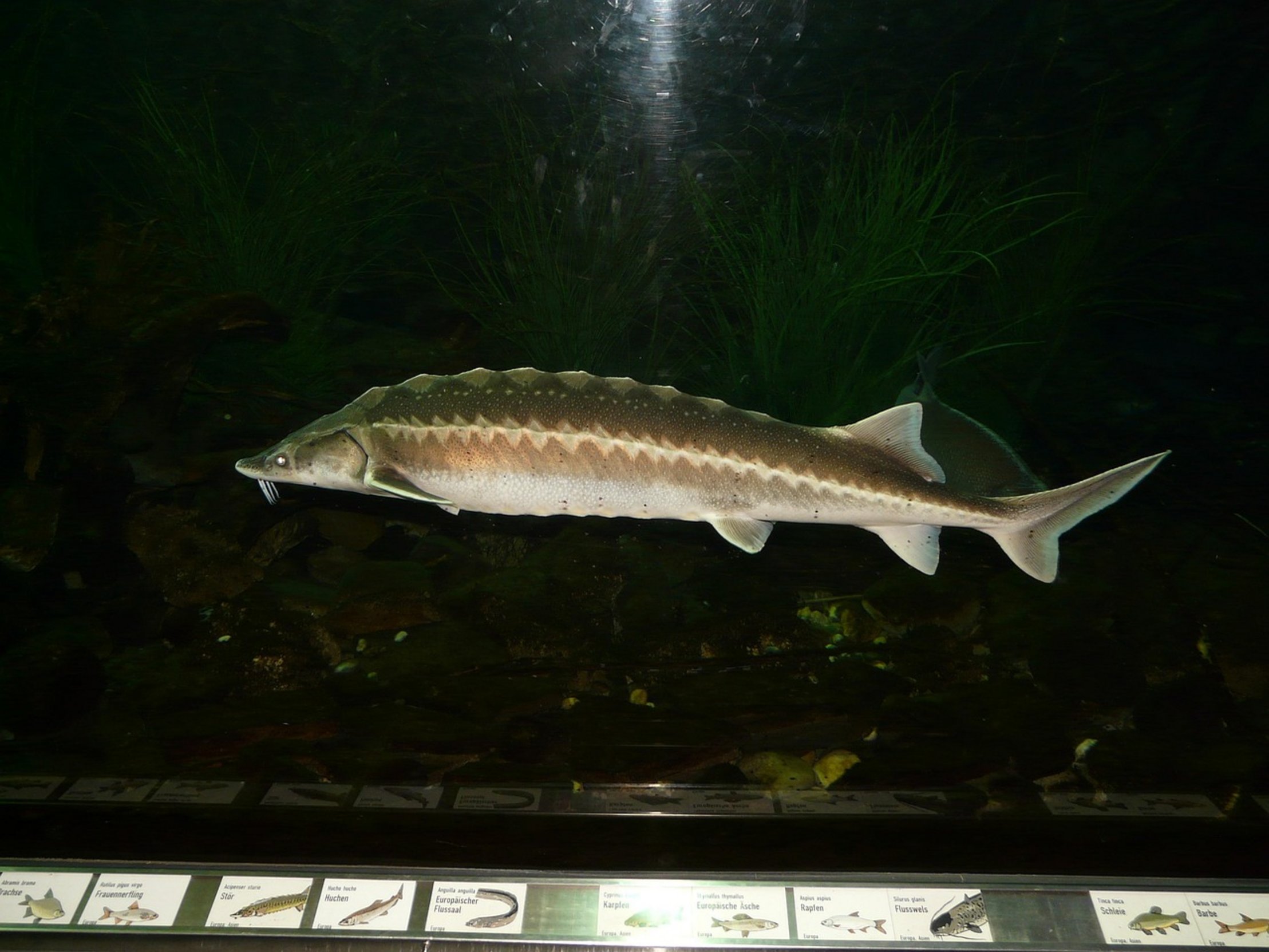
This fish relies on very limited spawning habitat and is mostly found in the Apalachicola and Suwannee river systems. The southern sturgeon’s breeding schedule depends heavily on temperature fluctuations.
When temperatures don’t match the sturgeon can miss entire reproductive cycles. The drought also means lower flows which means being caught in sub optimal conditions at key development points. The southern sturgeon is not as widely known or loved as some of its bigger brethren, which makes garnering support for protection challenging.
They are basically the unseen victims of water management decisions and the changes in our weather. To keep them alive, they need more than just fishing rules; they need careful hydrological models. The sawfish has unique features including a long tooth-lined rostrum that it uses to sense for food hidden on sandy bottoms, as well as fend off predators.
6. Sawfish
It’s an old fish of ancient lineage. Because they don’t swim high out of the water, boaters create a direct physical threat for this uncommon marine species. Due to habitat loss in shallow coastal areas, they are being driven to extinction from Florida waters.
They’re very sensitive indicators of water quality issues. Their presence in undisturbed estuarine habitats indicates that those environments is healthy. Captive breeding efforts have been underway, which may help but can’t substitute for the strength of the natural populations.
The best way to save these guys is to protect the mangrove shoreline. Florida’s aquatic life is at a turning point, and I’ll use these six species as examples of that.
Some are small, some big; some live on reefs, some on rivers.
But all is threatened by unique challenges requiring individual attention. Sustainable fishing regulations, protection of migration corridors and habitat restoration all make up part of the equation. So does your voice.
Educate yourself about your home waters. Ask questions. Get curious.
If you care enough to go fishing, you should of also care about what goes back in the water. Take away the plastics. Speak out for wetland protection.
The good news is they’re all interconnected. The better news: their fate reflects the status of all our coastal ecosystems. Water doesn’t have boundaries in nature.
What happens in one river eventually reaches the sea. The health of these fish mean the health of the entire system.