

Fishing backpacks are created with the intention of allowing anglers to carry all of their fishing gear to the edge of the water without experiencing pain in there shoulders. However, there are a few problems that these fishing backpacks create after anglers have walked long distances from their vehicles. For instance, the straps on a fishing backpack may begin to dig into skin after twenty minutes of walking, the fly boxes may become soaked in water that falls from the sky, or the fishing rod may break against a rock that exists along the river’s edge.
All of these problems may ruin an otherwise excellent fishing trip. However, if anglers are aware of the problems that may occur with their fishing backpacks, they can identify the problems and fix them before they begin to negatively impact the angler or there fishing experience. By understanding the problems that are created with fishing backpacks, anglers can more easily recognize which features is important to purchase on a fishing backpack.
Most of the problems that are created with fishing backpacks follow a certain pattern, and if anglers understand why each component of their fishing backpack may fail, they can stop purchasing fishing backpacks based on how they appear and start purchasing fishing backpacks that will better survive their fishing trips. The following sections will discuss the different problems with fishing backpacks, the reasons for these problems, and the actions that experienced anglers can take to fix these problems. The first of the problems that may occur with fishing backpacks is the heavy weight distribution.
Common Problems With Your Fishing Backpack
1. Heavy Weight Distribution

Anglers who are new to fishing often load their main compartment with tackle boxes, water bottles, and rain jackets to store their gear. However, they also usually fasten the hip belt of their fishing backpack too loosely. As a result, the angler’s shoulders must carry the weight of their fishing backpack.
After walking any distance greater than two miles, the trapezius muscles of the angler will begin to experience pain. Additionally, the angler’s posture will begin to collapse forward. To fix this problem, anglers must ensure that their hip belt is fastened tightly to their body so that the weight of the fishing backpack is distributed to their body rather than their shoulders.
They can also shift all of the heavy items within their fishing backpack to the compartment closest to their body to make their fishing backpack feel lighter. The second problem with fishing backpacks is the poor waterproofing. Fishing backpacks are often made with water-resistant fabrics.
2. Poor Waterproofing
However, the zippers, seams, and the areas where the fishing backpack’s components are secured to the main pack (also referred to as the lash points) may not be waterproof. Rain can enter into these areas of a fishing backpack, and the water will destroy the gear that is inside the fishing backpack. Anglers who understand this problem will always include dry bags within the main compartment of their fishing backpack.
They will also keep the items that they need the most accessible to the fishing trip placed into the top lid pocket of the fishing backpack. Finally, anglers will apply seam sealer to the seams of the fishing backpack each season before they go on their fishing trips. Fishing backpacks often look dry when they are on the shelf in stores.
However, when filled with gear and placed into the bottom of a kayak, they will reveal their weakness. Uncomfortable shoulder straps may seem to be a small problem with fishing backpacks. However, after wearing the fishing backpack for six hours, the thin foam on the shoulder straps may break down to the point where they become raw with friction against the skin.
3. Uncomfortable Shoulder Straps
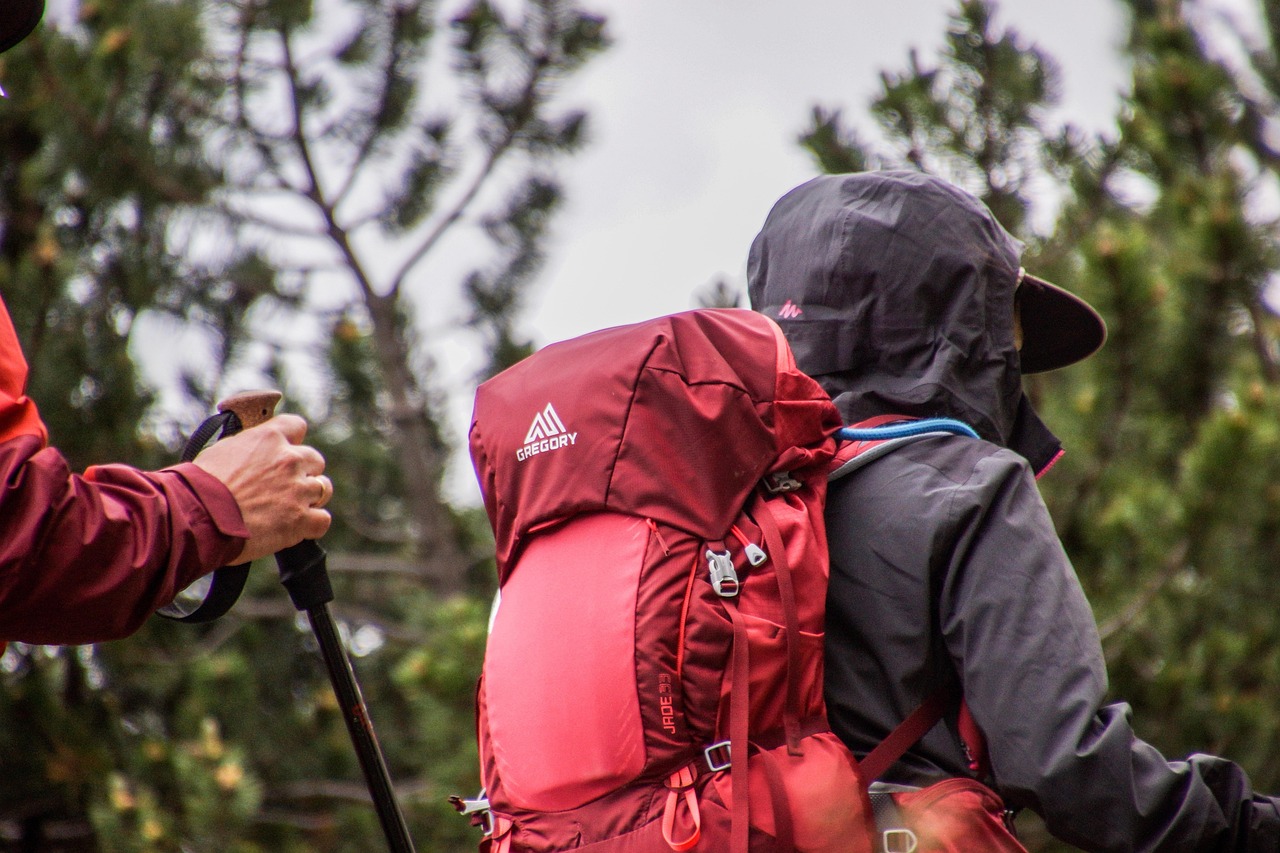
Additionally, the anglers may have difficulty finding an appropriate placement for the sternum straps on there chest. To avoid this issue, anglers should seek fishing backpack models with wide, padded shoulder straps that curve to the back on the angler’s shoulder and with a sternum strap that sits in the middle of there chest. Some of the best fishing backpack models include load lifter straps for anglers who must walk through mud or climb over downed trees.
The third problem that is often recognized with fishing backpacks is the limited organization of the gear within the packs. For instance, fishing backpacks may come with alot of pockets. However, the items within those fishing backpacks may not be easily accessible to the angler during there fishing trip.
4. Limited Gear Organization
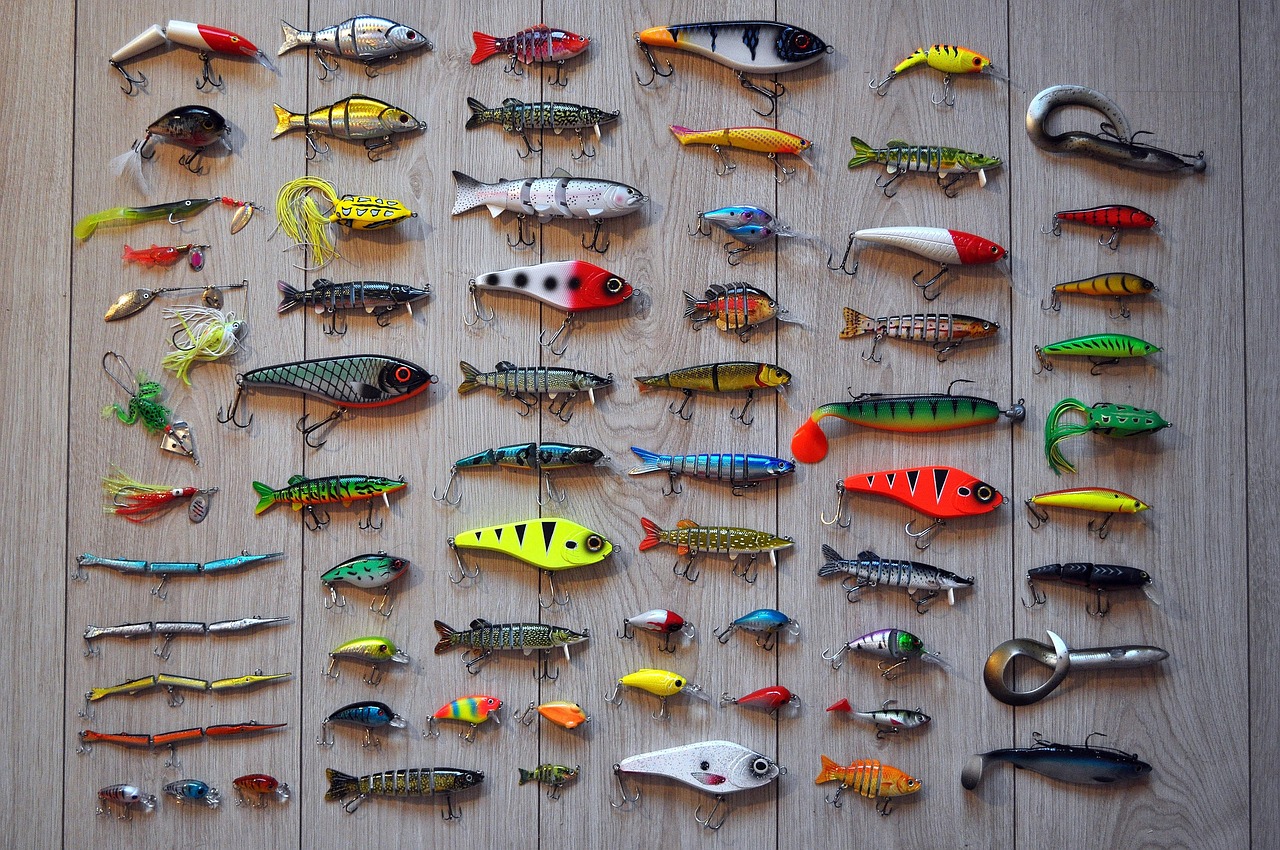
Anglers can purchase fishing backpacks with dedicated trays or slim cases that fit into the pockets of the fishing backpack. Additionally, terminal fishing gear (such as hooks) can be stored within the lid pocket of the fishing backpack. Similarly, the angler’s nippers, forceps, and tippet spools can be stored on a lanyard that is clipped to the angler’s fishing backpack’s shoulder strap.
While fishing backpacks dont need to have an elaborate organization system for their gear, the organization system should be recognized in the mind of the angler so that they can easily find their fishing gear. Failures in the transport of fishing rods are another problem with fishing backpacks. For example, angler may purchase external rod holders for their fishing backpack.
5. Fishing Rod Transport Failures
However, these external rod holders may fail during a descent down a hill or when moving under branches in the forest. These fishing rods may break in half, causing the angler to lose an expensive fishing rod. To avoid this problem, anglers must either break their fishing rods into their fishing backpacks or use dedicated fishing rod tubes that are secured to the fishing backpack in an even horizontal fashion.
For those anglers who must transport a fully rigged fishing rod, it is important for the fishing rod to have its tip pointing upward and the ends of the fishing rod must be secured to avoid moving the fishing rod. Another problem with fishing backpacks is that they may become sweaty in the back by the time anglers reach the middle of their fishing trip. Fishing backpacks are typically constructed with non-breathable panels of fabric that allow the sweat on an angler’s shirt to rapidly cool when the angler stops moving.
6. Back Sweat and Breathability
To avoid this problem, anglers should purchase a fishing backpack that includes a mesh panel on the back of the pack. Additionally, the fishing backpack’s frame should allow it to remain away from the body when the angler is on the ground or when fishing from a pier. The extra weight of the frame will be worth the added weight that anglers will add to their fishing trips, as the frame will become more helpful for anglers when it is hotter outside and they are still far from the river.
Additionally, another problem with fishing backpacks is that the zippers on the fishing backpack may bind or break during a trip. The inexpensive zippers on fishing backpacks may snag on other parts of the angler’s clothing while they are on the water. Other zippers may break during the angler’s fishing trip due to the sand that coats the backpack while fishing or due to the exposure of the zippers to the water.
7. Binding or Breaking Zippers
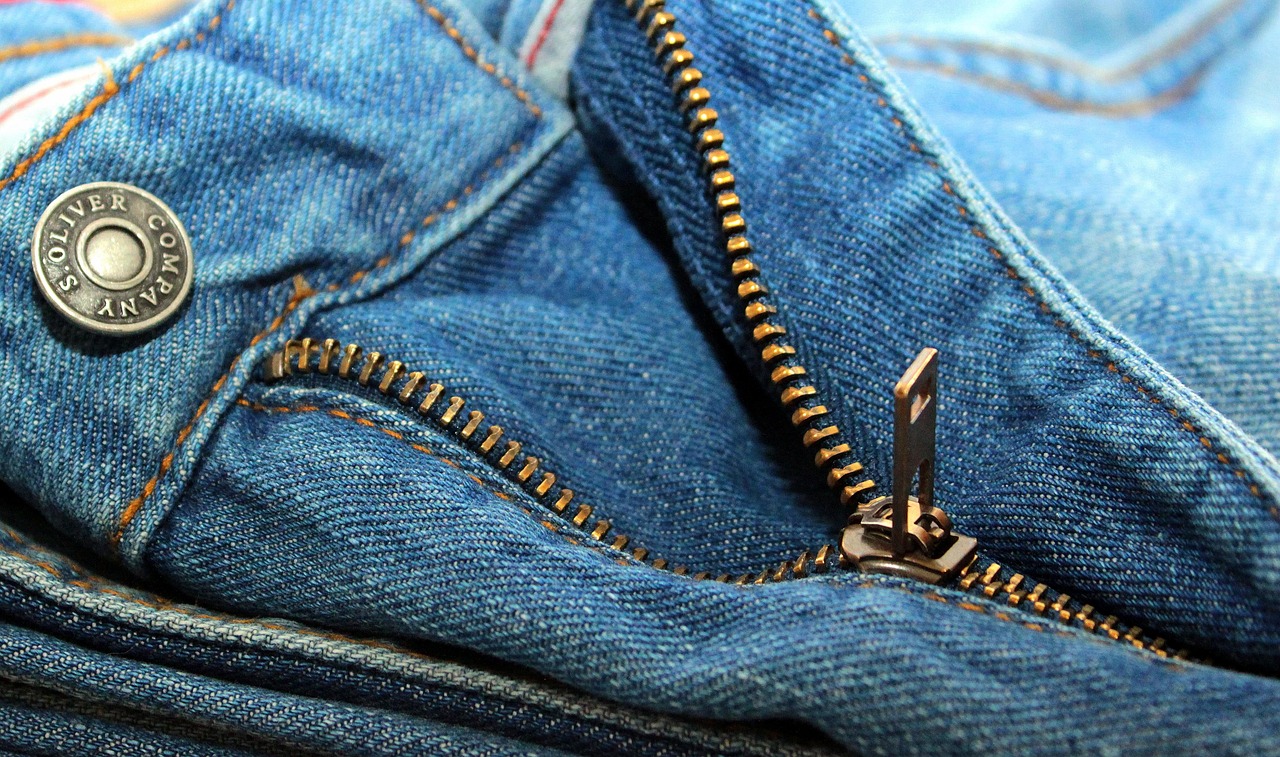
For these reasons, anglers should seek out fishing backpack models that use YKK zippers with large pull tabs so that they can operate their backpack zippers while wearing gloves. To avoid the broken zippers problem for their fishing backpack, anglers should also keep a small zipper lubricant stick within their fishing backpack to aid in the operation of the zippers and to rinse their fishing backpack after they use it to fish in saltwater environments. Strap slippage on a fishing backpack may seem to be a small problem with a fishing backpack.
However, if the angler walks on a hill or crosses a river with a strap slippage problem, they may fall off of their feet. Additionally, the slippage on the straps makes it difficult for anglers to climb over trees or up hills with their heavy load of fishing gear. The cause of this problem is the slick webbing on the straps and the plastic buckles on the webbing may not have enough teeth to grip the webbing.
8. Strap Slippage
Anglers can buy these models with plastic buckles that have been replaced with aftermarket versions to provide more teeth for the webbing, or they can simply add an overhand knot into the webbing to provide a physical stop for the straps. Finally, another problem may be encountered with fishing backpacks after the return policy for the fishing backpack has closed out for the anglers. For instance, the seams on fishing backpacks may fray where the fishing backpack’s shoulder straps meet the body of the fishing backpack.
Additionally, the bottom of the fishing backpack may wear against the granite on the river banks. Finally, the plastic buckles on the fishing backpack may crack when the temperatures in the areas where anglers fish drop to below freezing. While these problems are less likely to happen while fishing for the first time, they will be encountered during the eighth or the tenth time with the same fishing backpack.
9. General Wear and Tear
Anglers can prevent these problems by inspecting their fishing backpacks before every fishing trip. Additionally, the anglers can reinforce the areas where the problems are likely to happen with stitches or seam grip while the fishing backpack is still in good condition. By investing a few minutes in inspecting and reinforcing the fishing backpack before their fishing trip, anglers can save money and ensure that they dont experience the frustration of purchasing a new fishing backpack or having a ruined fishing trip.
When anglers purchase fishing backpacks, they should feel as if the fishing backpack is an extension of their body. This is accomplished by fixing the problems mentioned above. Once anglers have fixed these problems with their fishing backpacks, they will be able to focus on the water and their fishing trip.
The ability to focus on the water is the most important benefit that anglers will experience with fishing backpacks, and it is this benefit that will separate the good fishing days that anglers have from the memorable fishing days that make anglers want to continue to fish.