
From the shore, fishing looks easy; in the boat or even closer to the water, things get complicated. It’s unforgiving. It takes away any protection we use on dry ground.
A little mistake can turn a good day into a scary one fastly. There are certain details that lots of anglers forget which make all the difference between having fun and getting into trouble. A lot of boating mishaps is avoidable mistakes and not luck.
You know what makes the difference; you can set yourself up right at the dock by doing this stuff. They’re not just rules we read about but lessons learned the hard way. Begin here.
Essential Safety Tips for Safe Fishing
1. Wear a Personal Flotation Device
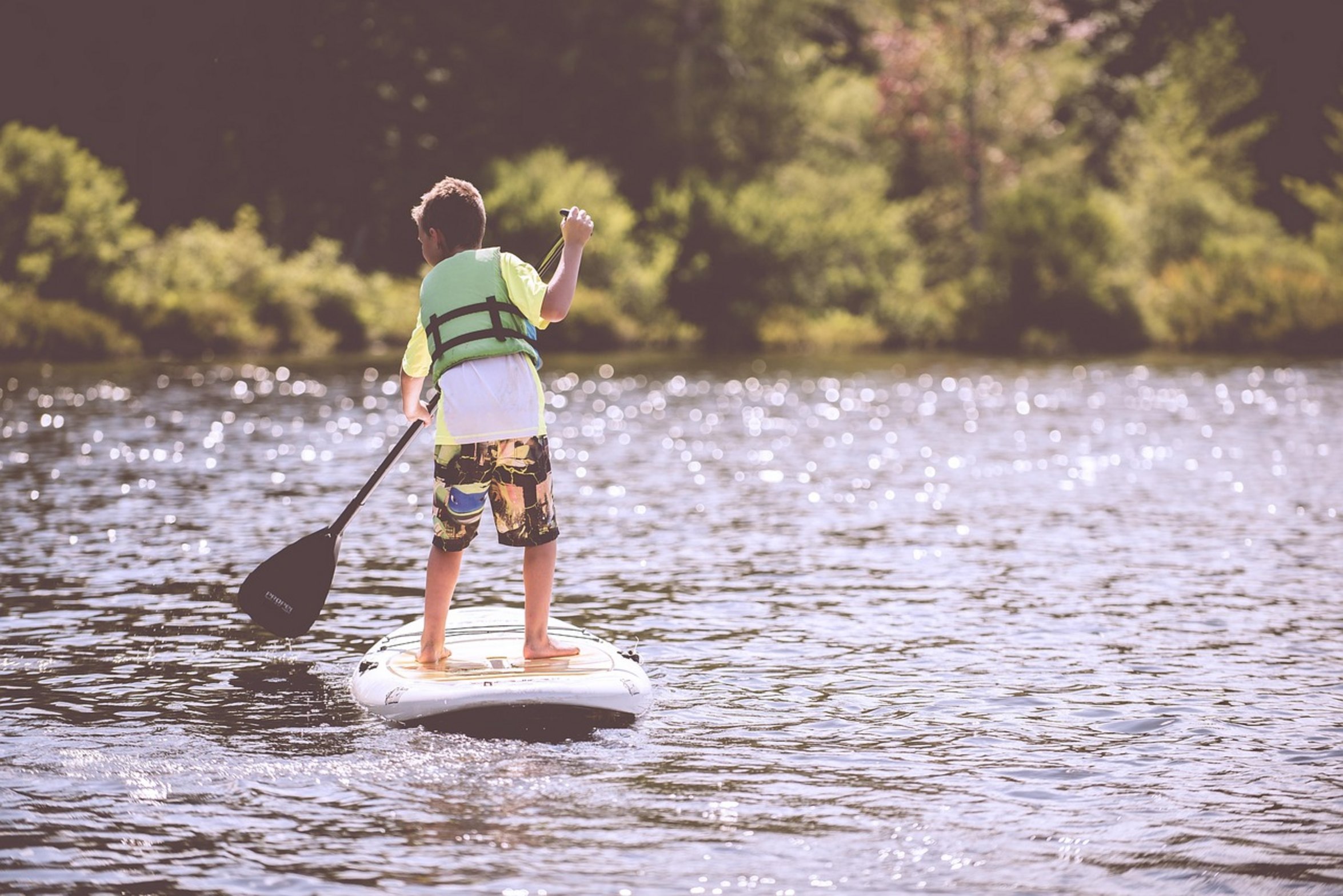
The best piece of equipment you own is personal flotation device. Regardless of how calm the water appears or how good of a swimmer you are, hypothermia, exhaustion, and head trauma can render an able bodied person helpless in minutes. When your body can’t do what your brain tell it, your life jacket keeps your airway out of the water.
Newer life jackets don’t inhibit movement like some older ones did. You can still cast and reel without restriction, and they’re comfortabley beneath other garments. Once aboard, wear them correctly all the time.
If it’s sitting in the corner of the boat, it won’t do much good.
2. Protect Your Skin and Eyes from Sun
Wear sunscreen on your face and other exposed areas, not just on your shoulders and arms. Ultraviolet light reflecting off of the water will double the strength of what you’re absorbing.
Long days in the sun can cause eye damage and sunburns. They can also increase your risk of developing serious long term conditions. Many anglers suffer from photokeratitis, essentially a painful sunburn of the corneas.
Great sunglasses that block the glare off the surface are crucial not only for your eyesight but your fishing too. They help you see underneath the surface better, find structure and see fish. But also be sure to wear proper clothing to cover your skin with something like long sleeves and UPF clothing so you don’t get buildup of damage to your skin.
Also consider wearing a wide brimmed hat.
3. Check Weather and Watch for Storms

Know how to read the sky; and always check the weather report thoroughly but know it’s possible for digital weather reports to be inaccurate, particularly in mountainous areas where micro climates form quickly. Oftentimes before the alert goes off you’ll notice a rapid change in barometric pressure which usually mean a storm is coming.
The water will begin to chop. If you see an unexpected increase in the wind, turn right around and get back ASAP because you don’t want to hang out until it starts raining. Summer storms are one of the biggest killers among boaters and lightning is the main culprit.
Water conducts electricity well. If you hear a peal of thunder, you are close enough to get hit. Find safe shelter in a sturdy structure or get back on solid ground.
Don’t attempt to run from the storm in an open boat or try to take cover under a tree. It’s just too risky to play guessing games when the consequences could of being life threatening.
4. File a Float Plan with Shore Contact
Let someone know your plan before leaving Before heading out, tell someone onshore when you’re going, what access point you’ll be using and roughly when to expect back.
Instruct them to contact authorities if you haven’t checked-in by that time. It’s a no-brainer that this step has literally saved people’s lives many times when an accident occur outside of cell service coverage. Rescuers need a general idea of where you planned on going and when.
Knowing this give them a starting place. Without that information, there is no clue as to where the boat went, and boats frequently go missing in the middle of nowhere; nobody is looking for ‘em until it’s too late. Simply typing out a quick text or writing down your plan in a notebook can give you and your loved ones a safety net that will take you just 30 seconds, but could mean everything.
5. Respect Boat Stability and Weight Limits
Know the limits of your boat’s stability All boats has a maximum safe load capacity… Most are labeled somewhere around the console. Adding too many people and gear will increase center of gravity, making it much more likely to capsize.
Keep the hull even and weight balanced throughout. Inexperienced anglers love to overload their boat by adding extra gear, coolers, and even extra fuel while going out for multiple days. A couple of hundred pound can throw off the balance of your boat on a rough wave or turn and you want to avoid that when things get rough.
Follow the manufacturer’s recommendations and know your boat’s stability limits.
6. Keep a First Aid Kit On Board
Avoid water-related injuries like cuts or fishing hook wounds, but if they happen, have a good first aid kit on board. Having your kit handy is a must, and items like sterile gauze, antiseptic wipes, antibiotic ointment and tweezers can be lifesavers for hook wounds that goes into the deeper tissues.
The warmer the water, the faster infection takes hold. For hooks, avoid pulling them back out, which will tear more flesh; instead push the hook through to prevent further tearing. Less tissue damage and much less scarring mean better results.
7. Wear Proper Footwear for Slip Prevention
Safety isn’t just about catching the fish, but knowing what to do when something goes wrong while fishing. Wear proper footwear with good tread to help you keep your footing on slick, wet surfaces. Deep-treaded rubber soles will keep you upright on a slippery rocky shoreline or slippery algae covered decks.
The number one reason for minor injuries while fishing is slipping. But a poor slip up can lead to serious head trauma and broken bones. Don’t take chances by wearing smooth-soled flip flops or sneakers anywhere near the water’s edge.
Footwear not only keeps your feet safe from unseen dangers such as marine debris, sharp rocks, discarded glass, etc., but it also helps protect the soles of your feet from any possible punctures which can get quickly infected when exposed to the bacteria-rich waters. Steel-toe boots may be overkill for fishing, but sturdy, closed-toe footwear is not negotiable. You don’t want to have to worry about your footing on the deck; you need to be able to concentrate on making the cast.
All these practices are part of a many-sided shield against the wild world of water. None of them alone will keep you safe; however combined, they become a sturdy foundation for managing risks. The most successful angler knows how to work with consideration toward his environment while also feeling comfortable enough to use opportunities as they arise.
Make it back home to recount the tale of what was caught, after all, that’s the true win in fishing.