
Knowing how to fish Louisiana involves knowing its waters Water defines landscape of Louisiana. It’s filled with estuaries, swamps, and bayous. The state is literal a bowl cut into itself by Mississippi River.
Fish move from one habitat type to another. Freshwater meets saltwater. Before casting a line, you must first know what you’re after.
Depending upon your location, you might fish around submerged trees or out in the open part of lake. Some fish holds tight to submerged timber while others patrol wide-open flats. By understanding a particular species’ behavior, you can select the right bait and find best area.
Top Freshwater Fish Species Found in Louisiana
1. Largemouth Bass
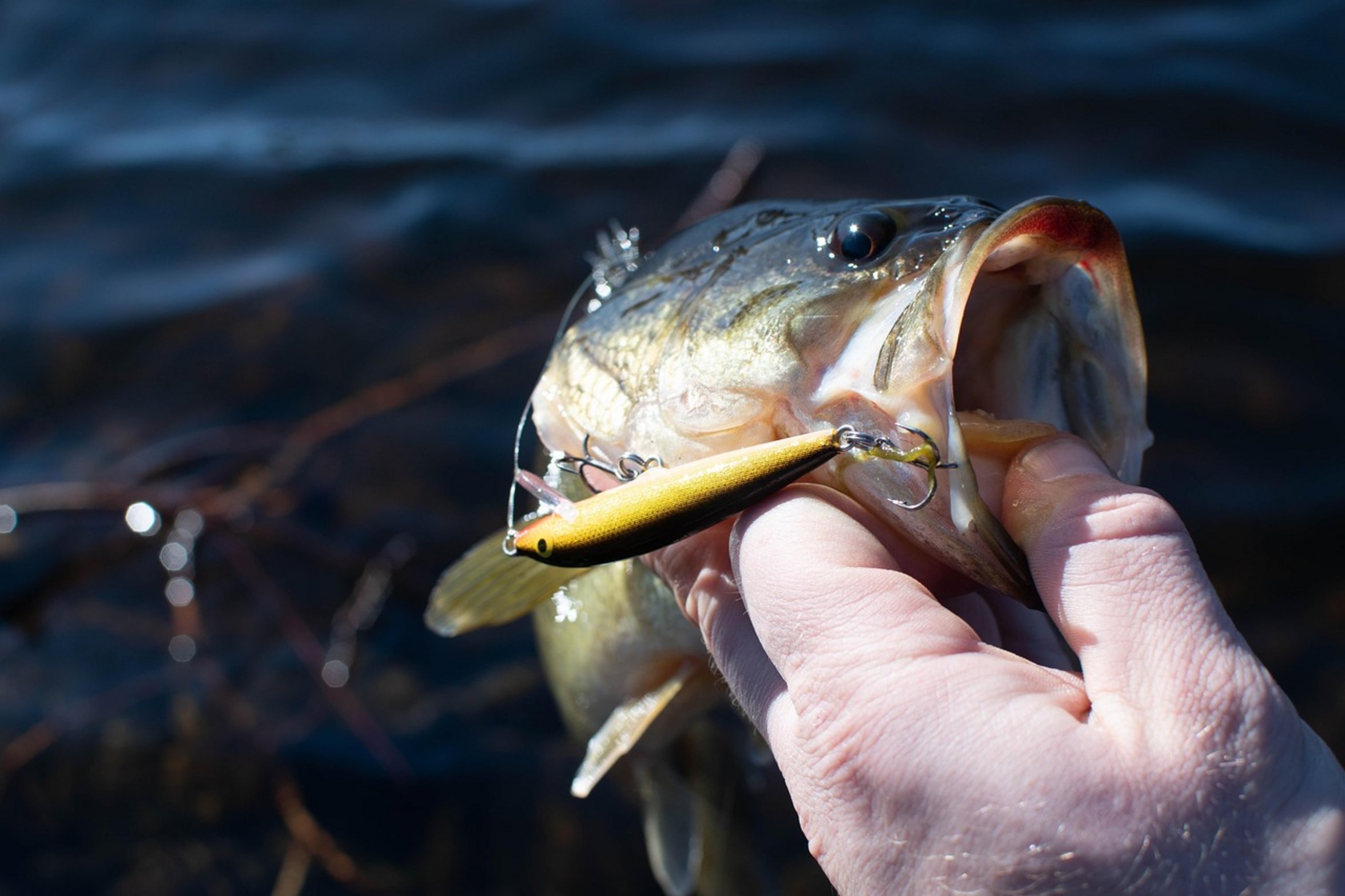
More importantly, you learn about local ecosystem. Louisiana’s inland waters is dominated by largemouth bass. Whether they’re hanging out in the thick vegetation or under a fallen tree on lakes such as Sam Rayburn and Toledo Bend, this fish are going to be there.
The largemouth is an ambush predator; when they hit, it’s hard and fast and if you’re unprepared, it’ll snap off light line. They are typically caught on crankbaits or plastic worm around cover. Largemouth are consistent fish.
They’re tough fighters in all seasons and remain active even in warm water. Crappie fishing can be very crowded. Lots of boats on top of each other.
2. White Crappie
Crappie tend to hold tight to structure such as submerged logs, bridge pilings or old docks. Crappie don’t travel alone. If you find the school, fish fastly.
When it’s right, the crappie eat minnows on a vertical jig. The bite is quick. It provides consistant action even when larger predators are dormant.
3. Blue and Channel Catfish
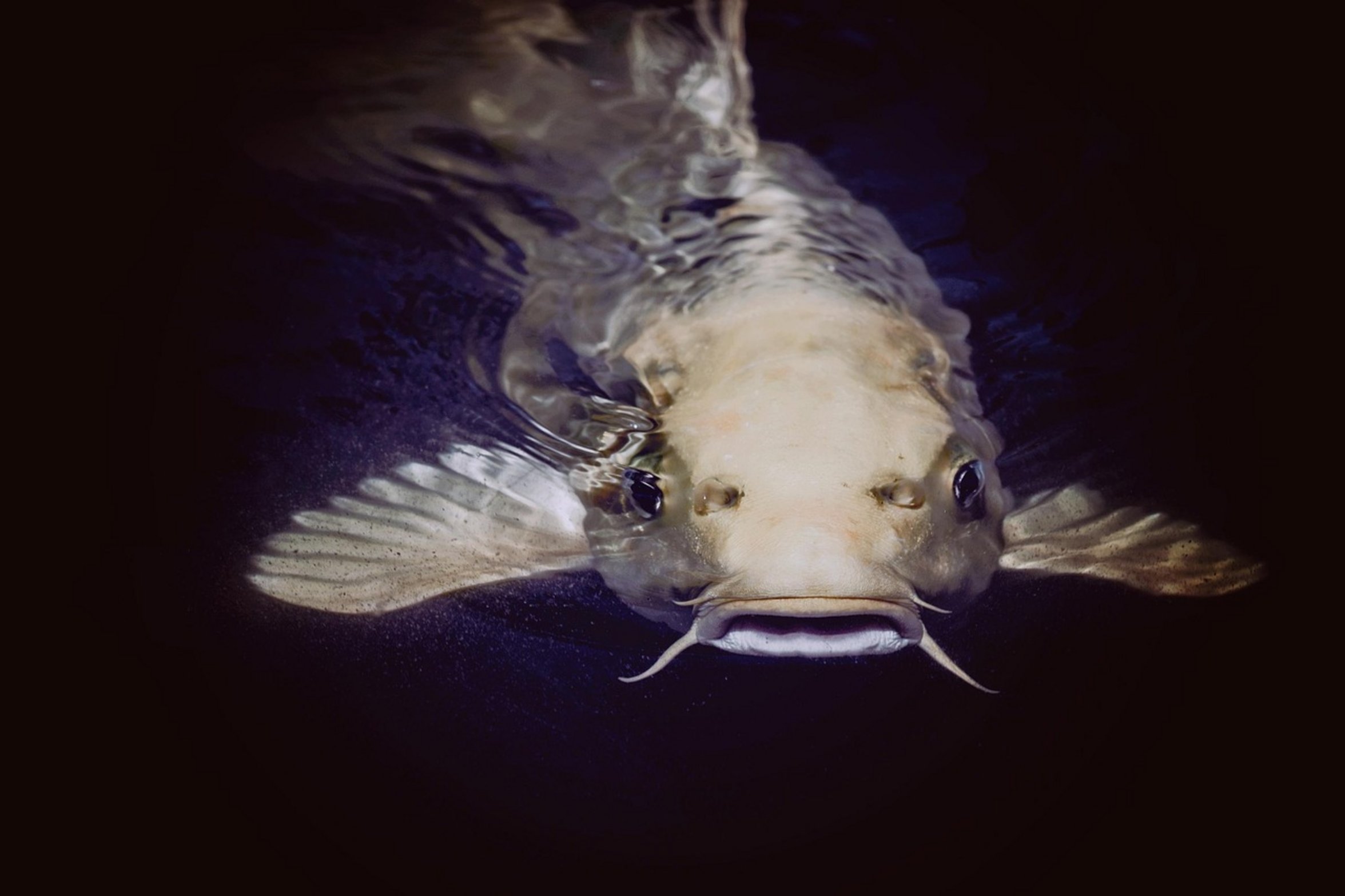
Louisiana’s bayous and rivers is home to a lot of muddy, slow-moving currents that make great habitat for catfish. Both Blue catfish and Channel catfish feeds more via smell than vision. This makes them ideal targets for dark water live baits such as chicken livers or cut shad.
Fishing for them often involves waiting by the bank with a simple rod and reel setup. When hooked, they will do their best to run back out to open water and have amazing endurance. This make long-fighting fish common when targeting catfish.
4. Alligator and Spotted Gar
The garfish remain old fashioned as years have gone by. Their looks has not really evolved. Unlike catfish, the alligator gar and spotted gar thrives in muddy waters, but not by feeding on the bottom.
Rather, they are surface feeders and mean muggers who will attack anything that floats across their path. Topwater frogs and big plastic jerkbaits works well at getting them excited enough for a vicious bite. Because of their tenacity and strength, you want good tackle when battling these fish.
They put up a heck of a battle and deserve your respect. Many of the lakes in Louisiana have Striper bass, otherwise known as Hybrids. A hybrid of a white bass and a striped bass, these fish likes cool water.
5. Striper Bass Hybrids
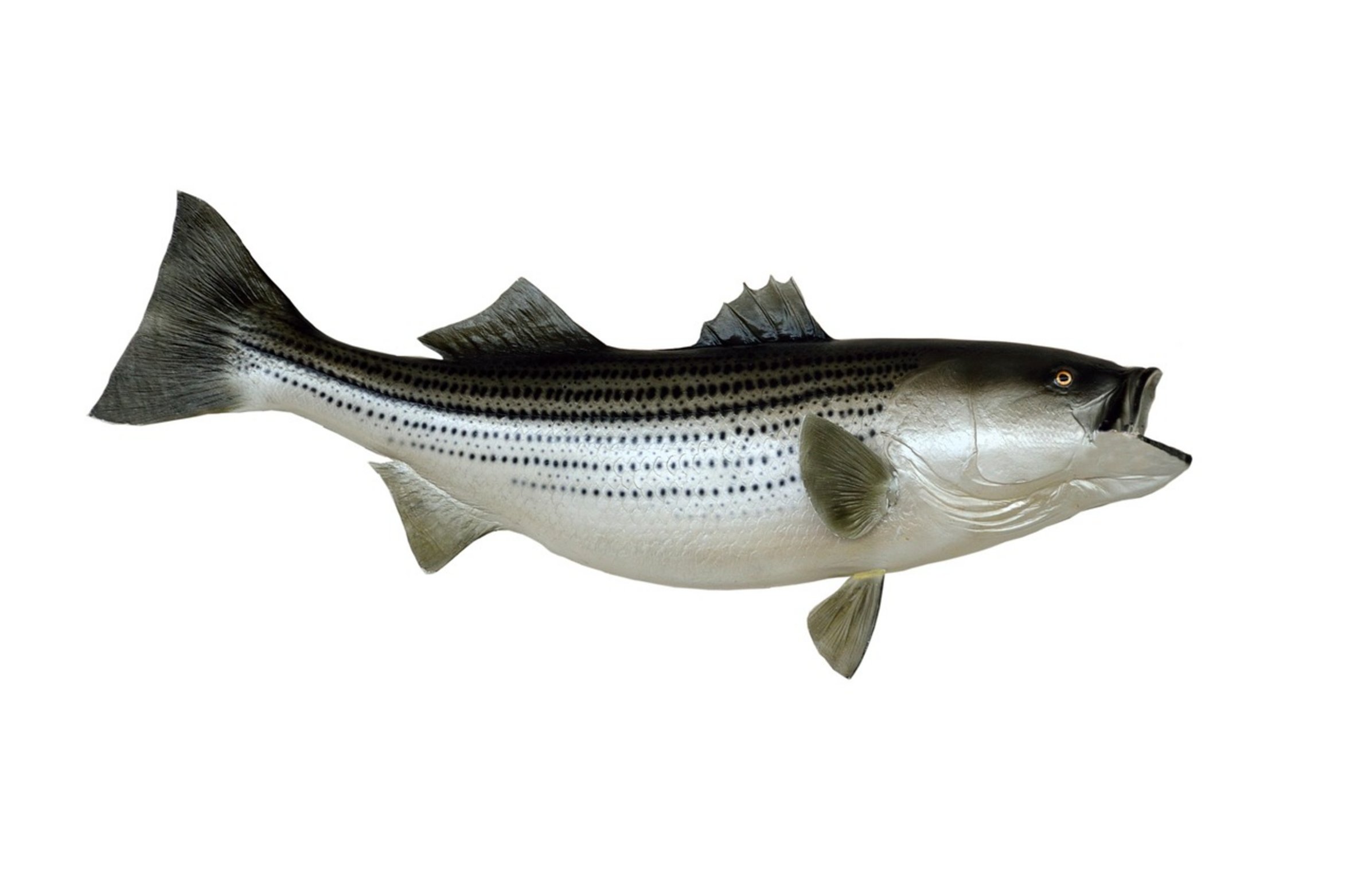
Unlike largemouth bass which hide in weeds, striper is out there cruising open water looking for shad and other small baitfish. Swim jigs and swimming minnows allows an angler to cover lots of water quickly. When the bite is on it’s often multiple fish at once and the fight is fast and furious.
6. Black Crappie
Black crappie are found throughout Louisiana ponds and is a little larger than their white cousins. Black crappie also favor clear water and will occasionally migrate to shallow water at sunrise/sunset where they’ll feed. You’ll catch them similarly to how you catch white crappie, though your presentations has to be more subtle.
White crappie tend to be wary of boats so lighter jigs and slower retrieve rates is better. If you’re looking for some good fish to practice on with lots of action but no gnarly weeds, then black crappie are the ticket. White crappie are pretty abundant in Louisiana ponds too.
Though not quite as large than their black counterparts, white crappie likes clearer water and will sometimes venture into shallow waters at dawn/ dusk to feed. To catch white crappie, use the same techniques as the black crappie, except you should of make your presentation more subtle. Because white crappie gets skittish around boats, try using lighter jigs and slower retrieval rates.
7. Red Drum
In the freshwater parts of bayous, Red Drum offer an interesting twist. Considered to be saltwater game fish, reds will visit fresh and brackish marshes to feed. They’ll hang around some point in current or on the edge of a oyster bed.
Often times they’ll swipe at something else before striking topwater plugs or weedless soft plastic. The most promising scenario is the transitional zone between fresh and salt water. As their name suggests, they are adaptable creatures that anglers love to catch on tidal flats.
Every species is unique. Bass, crappie, and catfish is all different. Success on Louisiana waters depends on learning what works best with your target species in its native habitat.
For example, you can’t fish the same way in shallow weed beds as you would in deep water. The diversity of fish makes it always interesting and something new each year. Listen to the locals and pay attention to the water, that will increase your odds.