
If you like fishing variety, South Carolina waters is diverse. From tidal creeks, coastal marshes, deep reservoirs, and slow moving rivers, there’s something for everyone. This variety in geography mean there are also many different fish species.
But before you start throwing stuff out there, take time to learn your surroundings. What kind of fish inhabit each area? Where do they congregate?
Knowing that will save you a lot of frustration. Anglers starting out tend to lump all freshwater fish together. They buys one bait and think it’ll catch everything.
More times than not, boat will be empty at the end of the day. Each species feed differently and occupies unique structures. With a little knowledge about this, you can be precise with where you’re targeting fish.
Instead of fishing randomly, it become a game plan.
Popular Freshwater Fish Species in South Carolina
1. Largemouth Bass
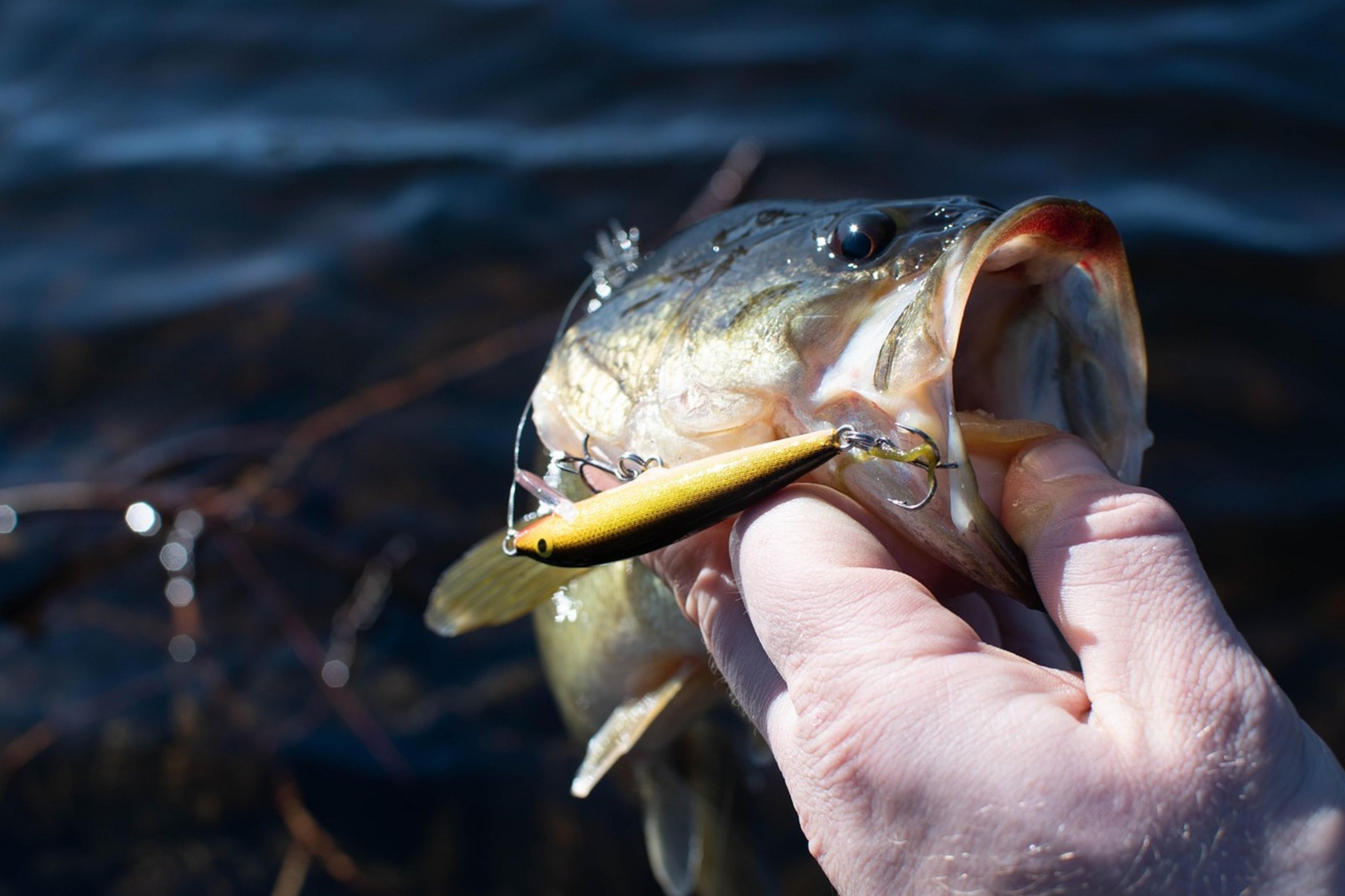
Largemouth bass are aggressive predators that breed a lot and love cover. Submerged vegetation, fallen timber and lily pads is just a few places you’ll often find ‘em in nearly any lake.
They hide out and ambush unsuspecting prey, so targeting weeds around the edge work well for getting those casts in there. They head shallow to spawn in the spring. That makes them even easier to access, but it also means that they’re defending their beds.
When you hook one, you know it’s going to be an exciting fight because they are protective of their nest. Easy to Catch.
2. Bluegill
Bluegill are a child and casual angler favorite due to their reliable bites.
They is found in areas of slower river sections, ponds, and other water bodies with vegetation offering cover. Bluegill feed on insects and smaller organisms at or close to the surface. Because their mouths is more delicate, baits such as live worms and small jigs are good choices for catching these sunfish.
To successfully hook one requires lighter tackle. The predictable nature of their bite make it easy for novice fishermen to learn casting and retrieve techniques.
3. Crappie
Because of its energetic fight and delicious flavor, crappie is a prized fish, especially when it is caught in a school.
It like cooler temperatures. In the daytime, it tends to group up under docks, brush piles, or other underwater structure. During evening hours, it will come out into more open waters to forage.
Floating jigs and small minnows will help pinpoint the location of the schools rapidly. Its silvery scales gives them added appeal because they shine in the water.
4. Channel Catfish
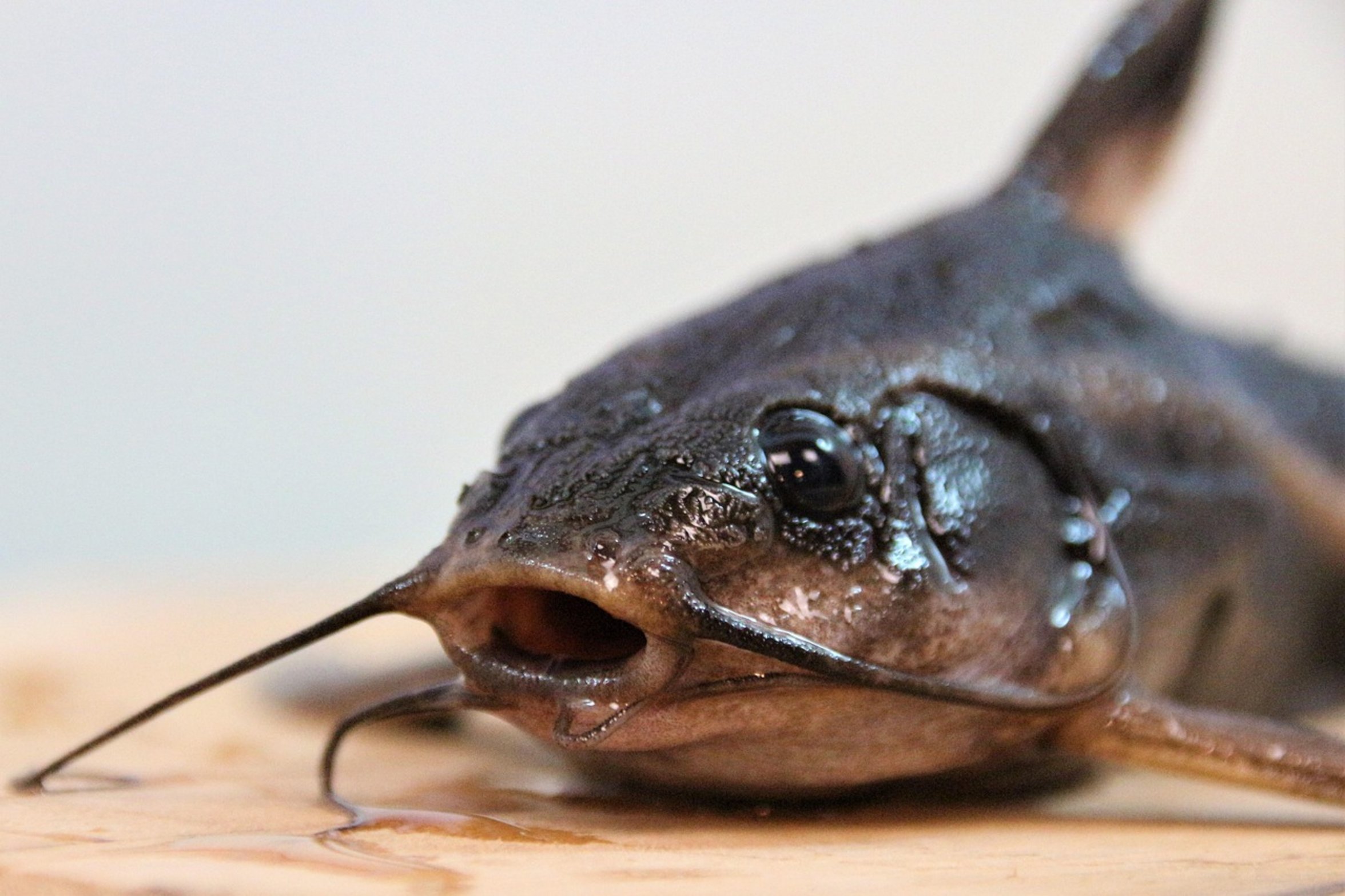
The channel catfish is a species that lives on the bottom, feeding by its sense of smell.
It will be found in the deeper holes and muddy waters of South Carolina’s lakes and rivers. Strong smelling commercial baits as well as cut bait attracts this fish. Channel cats are nocturnal and thus evening fishing can be productive.
The whiskers of a channel cat allow it to feed efficienty and navigate the darker, murkier waters. A hook up with one of these beauties is best handled with strong tackle and patience, they run hard!
5. Spotted Bass
Similar than largemouth bass, spotted bass inhabit clear, fast water.
They are commonly found on the higher elevation reservoirs and mountain streams of western South Carolina. Unlike their largemouth cousins, spotted bass can handles cooler water well, making them active into fall. Small fish and insects lives around broken rock bottom areas in the current.
Best to cast rapidly with smaller baits close to structure. Because of its love for clean water, stealth matters even more than in the weedy stuff.
6. Black Crappie
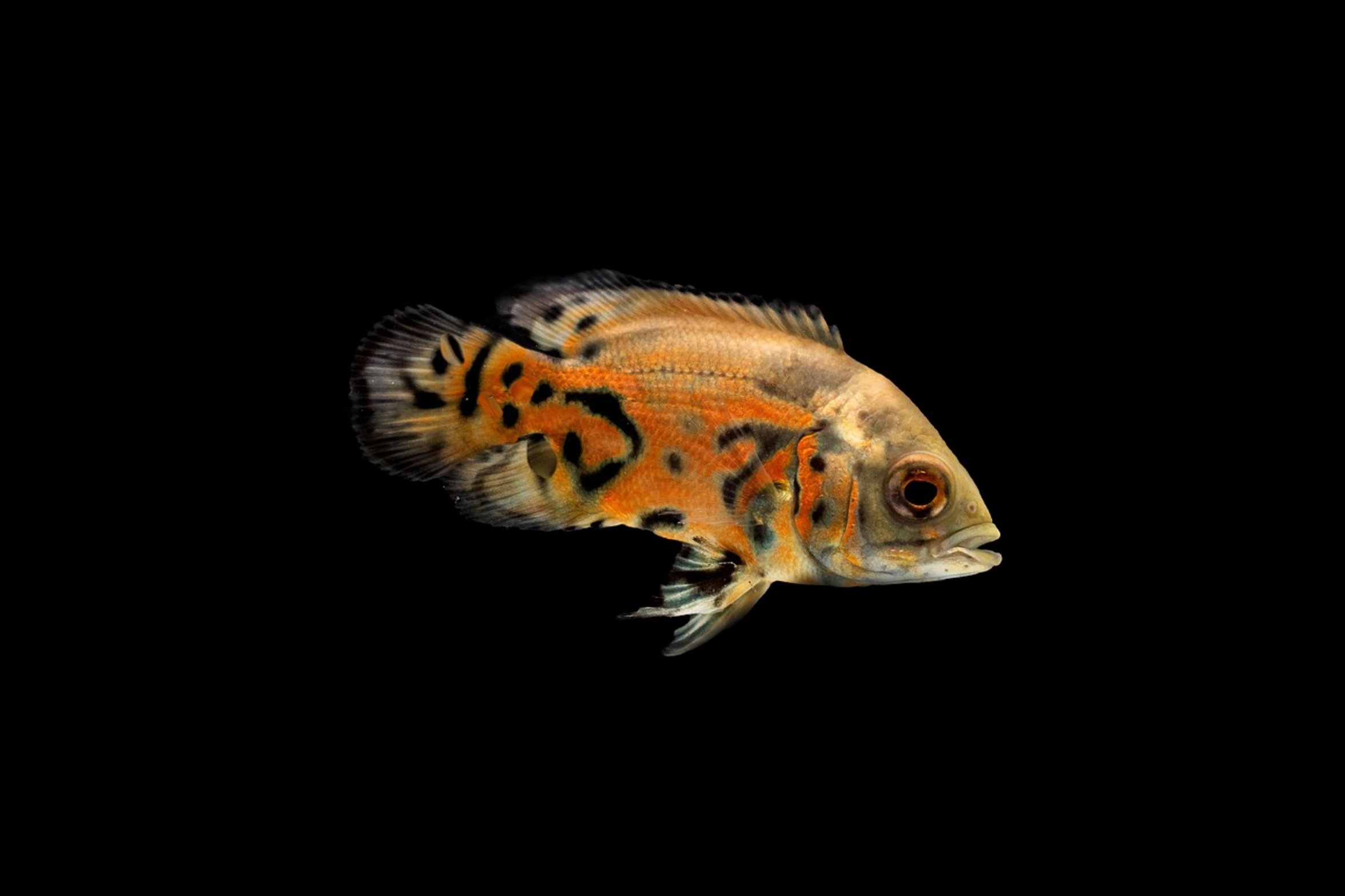
Black crappie: Black crappie inhabit a variety of habitats throughout the state, though they tend to favor warmer waters than white crappie during the summer.
Reservoirs that offer good structure holds many black crappie. Much like any crappie, they will school tightly. If you don’t want to troll, vertical jigging is an effective option.
7. White Crappie
White crappie primarily feed around dusk and dawn so time your fishing trip accordingly to increase your chances of catching them.
Because they prefer cooler water, white crappie remain active longer than black crappie when it’s hot out which provides anglers additional opportunity to catch fish throughout the summer months. These are sunfish cousins.
8. Redbreast Sunfish
Similar in appearance to a bluegill, redbreast sunfish is a bit bigger on average and tend to inhabit different water. They’re more apt to be found around cover in deeper holes of both rivers and lakes. They eat small crustaceans and aquatic insects.
Using small spinners or soft plastics that look like insect larvae to mimic their natural food can be effective. For such small fish, redbreast sunfish put up a great fight, which is rewarding when you hook one. They’re also edible, which gives the sport additional practical value.
9. Gar
The gar is an ancient species of fish that has inhabited South Carolina waterways for millions of years. With thick scales and toothy jaws, these predators feeds along the bottom. They inhabit shallow, sluggish waters such as river bottoms with low oxygen content.
A big surprise, they are strong swimmers that break lightweight fishing line. Their prehistoric look interests many fishermen. While not considered edible due to their bone-in meat, catching a gar is an accomplishment in itself.
There are rewards and challenges with all species. If you desire big bass action, redbreast sunfish for the dinner table or anything in between, you will find it all across the state of South Carolina. To be successful you must match the method to how they fish.
Know where they live. Pick the right bait or lure. Honor their nature.
This will make each fishing excursion more fun and productive.