
Getting caught in a rain without proper rain gear can be a miserable experience. For many people, the experience of wearing a waterproof jacket that get wet is even worse. Waterproof jackets may have a few seams that leaks water, waterproof boots may make loud squelching noises as your boots get wet, and your pack may end up full of wet gear.
These problem may happen to anyone, no matter how serious of a dog walker or hiker you may be. However, these problems usually have a few causes that, if avoid, will prevent these problems from occurring. By understanding the causes of the most common failures in rain gear, people can avoid these problems before they even find themselfs standing under a tree with wet sock.
The good news is that nearly all the problems caused by wearing rain gear have a cause and a fix. By understanding these causes of common problems with rain gear, people will no longer waste their money on buying gear that look good in the store but fails them when on the trail. The following issues is with the most common rain gear products.
Each issue contain information that demonstrates the interaction of the materials, the design, and the behavior of the wearers of the gear.
Most Common Problems With Rain Gear
1. Condensation Inside Waterproof Jackets
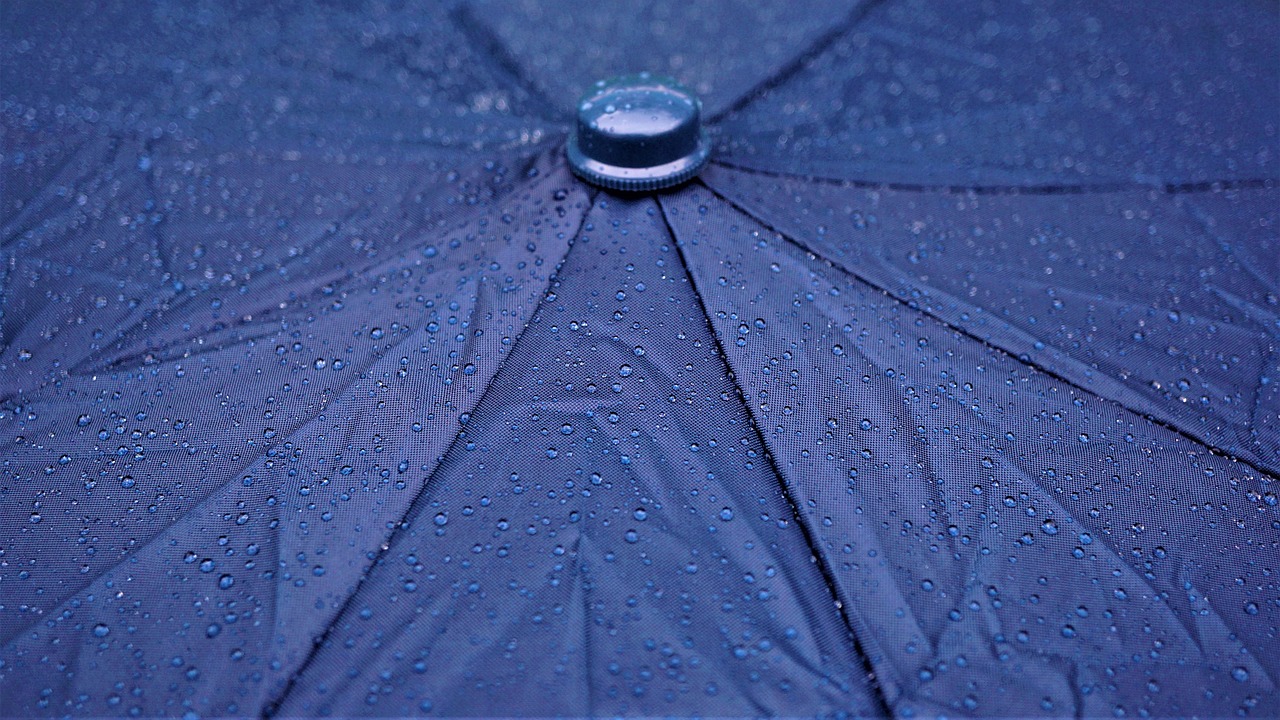
Condensation inside waterproof jackets is one of the first problems people notice. People may be dry from the rain falling on them, but their base layer clothing get wet.
This is caused by the breathable materials used to make waterproof jackets, such as Gore-Tex. These breathable materials allow the sweat from the body to escape from the jacket. However, if the outside air contains a lot of moisture and the hiker is producing a lot of sweat, the body’s moisture cannot escape the jacket quickly enough to avoid condensation on the body.
The jacket is performing as it should be engineer to perform, but it is not the desired outcome for the wearer. To avoid condensation in their jackets, people should wear a base layer that wicks moisture away from the body instead of cotton. An additional layer of insulation should only be worn when needed.
When hiking in heavy rain, the body will need to be ventilated so that the moisture from the body cannot condense within the jacket. By fixing this problem, people will no longer see condensation in their waterproof jacket.
2. Failing Seams
Another issue with waterproof gear is that the seams can fail after a few uses of the gear.
The manufacturers may have sealed these seams when the gear was manufactured, but those seams can open up, crack, or wear at the point of stress on the gear. When water finds these seams, it will drip onto the body. The gear is not defective as it cannot be waterproofed once manufactured, but the weak link in the gear was always the seams.
To avoid the failure of the seams, people can inspect their gear when they are purchasing it. The seams should be evenly tape with no bubbles or stress point on the gear. After a few use of the gear under heavy use, the person can treat the seams with a seam sealer.
This will add another year of use to the gear. By avoiding this treatment, people will find themselfs complaining about the gear’s defective material.
3. Soaked Waterproof Boots
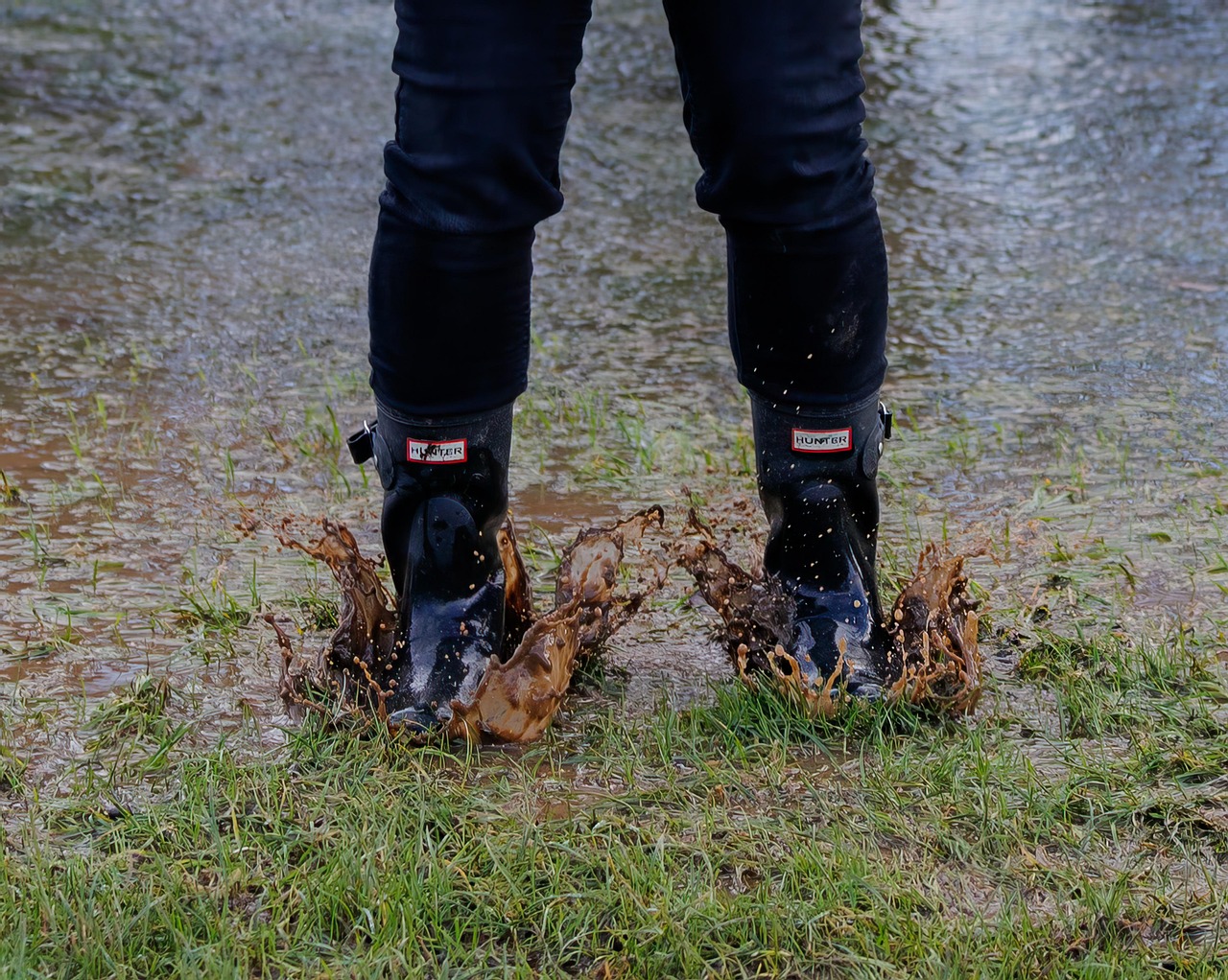
Another problem with waterproof gear is that wet boots can become soaked.
Both leather and fabric boots can become soaked when individuals is exposed to heavy rain. The waterproofing treatment used for the boots can wear away over time. Most waterproof boots use durable water repellent treatments on the materials, but over time, the chemical break down with the use of the boots.
Even linings such as Gore-Tex will not be able to keep up with the amount of water entering the boots once the outer material of the boot become saturated. To treat boots, individuals can apply a waterproofing spray every few month. For leather boots, using a beeswax-based treatment will repel the water.
This treatment will nourish the leather and waterproof it. Keep in mind, however, that boots should only be dried slowly at room temperature. Using heat will crack the leather and destroy the adhesive in the waterproof treatment used on the boots.
By taking care of your boots in this way, they will last for many hiking trip for many years.
4. Backpack Rain Covers
Another problem is with rain covers for the backpack. These cover can blow off into the wind or fail to cover the backpack when it is being used.
Most rain covers are made of thin material with elastic material at the edge of the cover. When exposed to the wind, these covers will blow off the backpack like kites or shift to expose the backpack to the rain. If these covers shift, hours of exposure to the rain will leave the gear inside the backpack saturated because the zippers on the backpack are not waterproof like the rest of the gear.
To solve this problem, people can purchase a rain cover with adjustable side strap or simply purchase a proper pack liner. Putting a heavy duty trash compactor bag inside the main compartment of the pack will protect the gear. The weight of a trash compactor bag is almost nothing, and the cost will be less than most rain cover.
The external straps will get wet, but the gear is protected. This small tradeoff will save people money and provide protection for their gear on every trip they go on.
5. Inconvenient Rain Pants
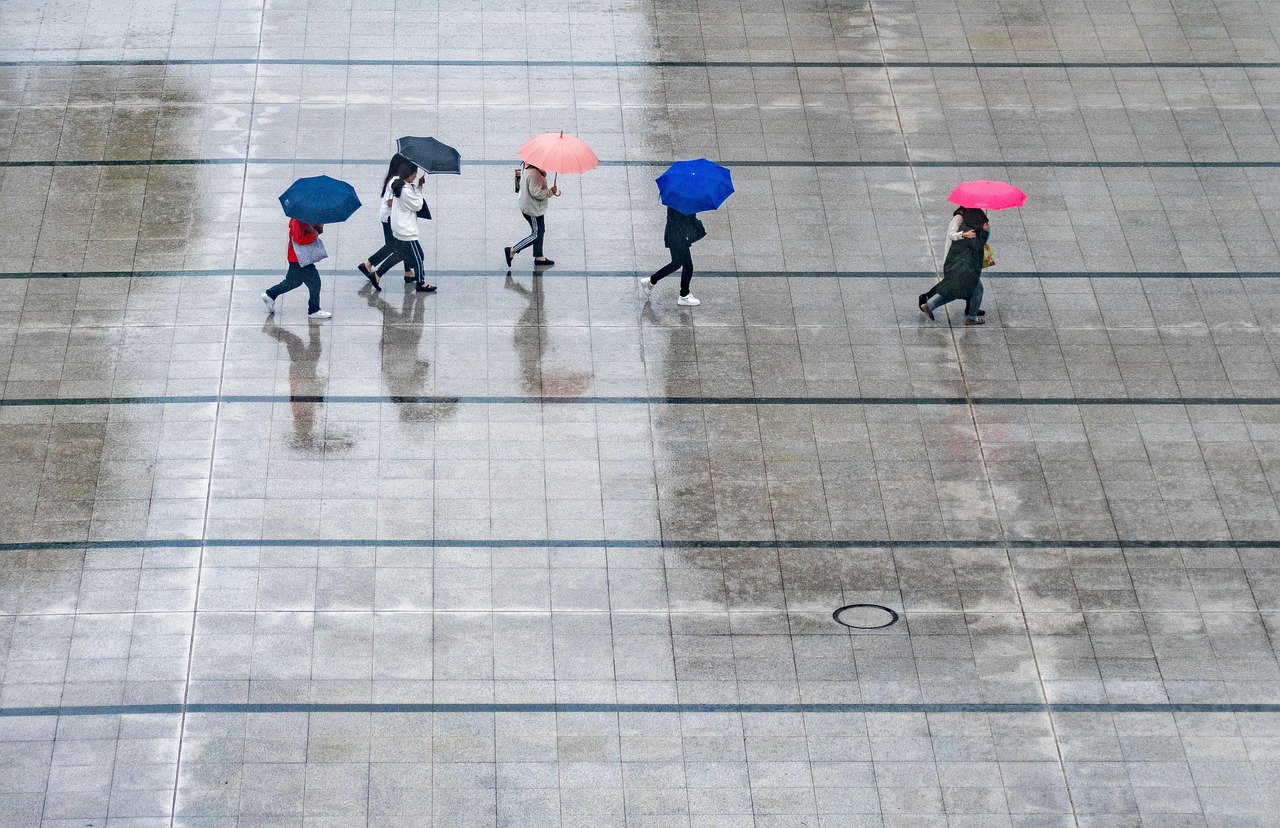
Rain pants can get problematic when it comes to wearing them in the rain.
Most rain pants are cut for people who stand in the same place in a campsite, but they are not cut for people who are required to take long stride while hiking. The pants may bunch up at the ankles or the pants may get very uncomfortably against the skin and the person will want to take them off after one hour of hiking in the downpour. The discomfort with rain pants when wearing them in the rain cause many people to skip wearing them altogether, thus defeating the purpose of wearing rain gear.
Rain pants should have articulated knee that allow for the movement of the legs while hiking and a gusseted crotch for the same purpose. Some rain pants may have zippers at the ankles that allow for the pants to be put on over the hiking boots without removing them from the boots. The best rain pants will appear slightly baggy while standing still.
However, when hiking, the rain pants will disappear. This indicate the pants were made with the intention of allowing people to move while hiking in the rain.
6. Waterproof Gloves
Waterproof gloves are another product that may fail when exposed to the rain.
Most waterproof gloves will lose their dexterity in the hand when they get wet. Additionally, the seams between the finger of the gloves will begin to leak water when exposed to the rain. The fingers of the gloves cannot move as much as they should because the water get trapped between the fingers.
This can become problematic in shoulder seasons when the individual has to use their fingers to operate trekking pole, zippers on their gear, or the stove on their camping trip. To avoid this problem, people can carry two pair of gloves. One pair may be made of thin waterproof material to wear when it is steady rain.
The other pair may be a thicker insulated pair for the mornings when it is colder. For those with the extra money and the desire to improve their gear, using wool gloves with a waterproof overmitt will work well. The overmitt will take the rain off the hands while the wool gloves will continue to provide insulation for the hand.
Additionally, carrying extra gloves is a benefit to the individual on the trail as it will help them to tie a knot in thirty-five degree weather.
7. Clammy Polyurethane Treatments
Finally, another problem of rain gear is that even the most waterproof gear will get clammy and uncomfortable after many hour of wear. This problem usually happen with the budget-friendly polyurethane treatments that coat the gear.
These treatments will waterproof the gear so that the external materials will be unable to get wet. However, the polyurethane will also prevent the vapor from the body from being able to escape the gear. After a few mile of hiking, people will feel as if they are sweating inside their own personal sauna.
The gear is performing its job of keeping the rain out of the wearer, but at the end of the day, the person is finished soaking in their rain gear. Higher-end waterproof gear will cost more money initially but will feature membrane that will allow for the same amount of vapor movement as the body will produce when hiking. If money is a concern, people can opt for gear with looser fit that allow for the movement of vapor and use the gear for shorter period.
Save the cheap poncho for trips to the car. For any trip that is longer than an hour in the rain, invest in a breathable piece of gear. Your skin will thank you.
Each of the above problems demonstrate an individual problem with the gear, but the collective problems show a truth about rain gear. Rain gear is not one single item but a system. Each item has a limit, but most wearers do not pay attention to these limit.
If people pay attention to the seams on their gear, treat their boots, their bodies early and often with ventilation, and buy gear that allow them their freedom of movement, they will no longer see the rain as their enemy. Instead, they will be prepared and dressed for the weather just as they are for the sun or the wind. When people feel prepared for the rain, they no longer feel worried about encountering it.
This feeling of being prepared is worth every single minute spent taking care of their gear.