
Because Texas covers five different ecoregions, it provide a wide variety of fisheries. These range from dry plains in the west to piney woods in the east. These geographic differences create many differant types of water habitats.
In short, this is not just catfish water or just bass water. It’s home to species that has adapted to large reservoirs, warm bayous and cold spring runs. Knowing those difference shifts your focus on each outing.
Your aimless cast becomes a focused strike. However, knowing when the fish are active and where they live in a given water body is the trick. The Hill Country hold clear spring-fed waters with plenty of oxygen, while Blackland Prairies have murky bottoms where different species dominate.
It’s easy to get on the wrong track and have some frustrating days and empty coolers if you don’t know what the fish want and how to target them. By knowing how they behave you can match your strategies with their behavior… That’s the difference between lucking into a single catch versus catching them consistantley.
Top Freshwater Fish Species Found In Texas Waters
1. Largemouth Bass
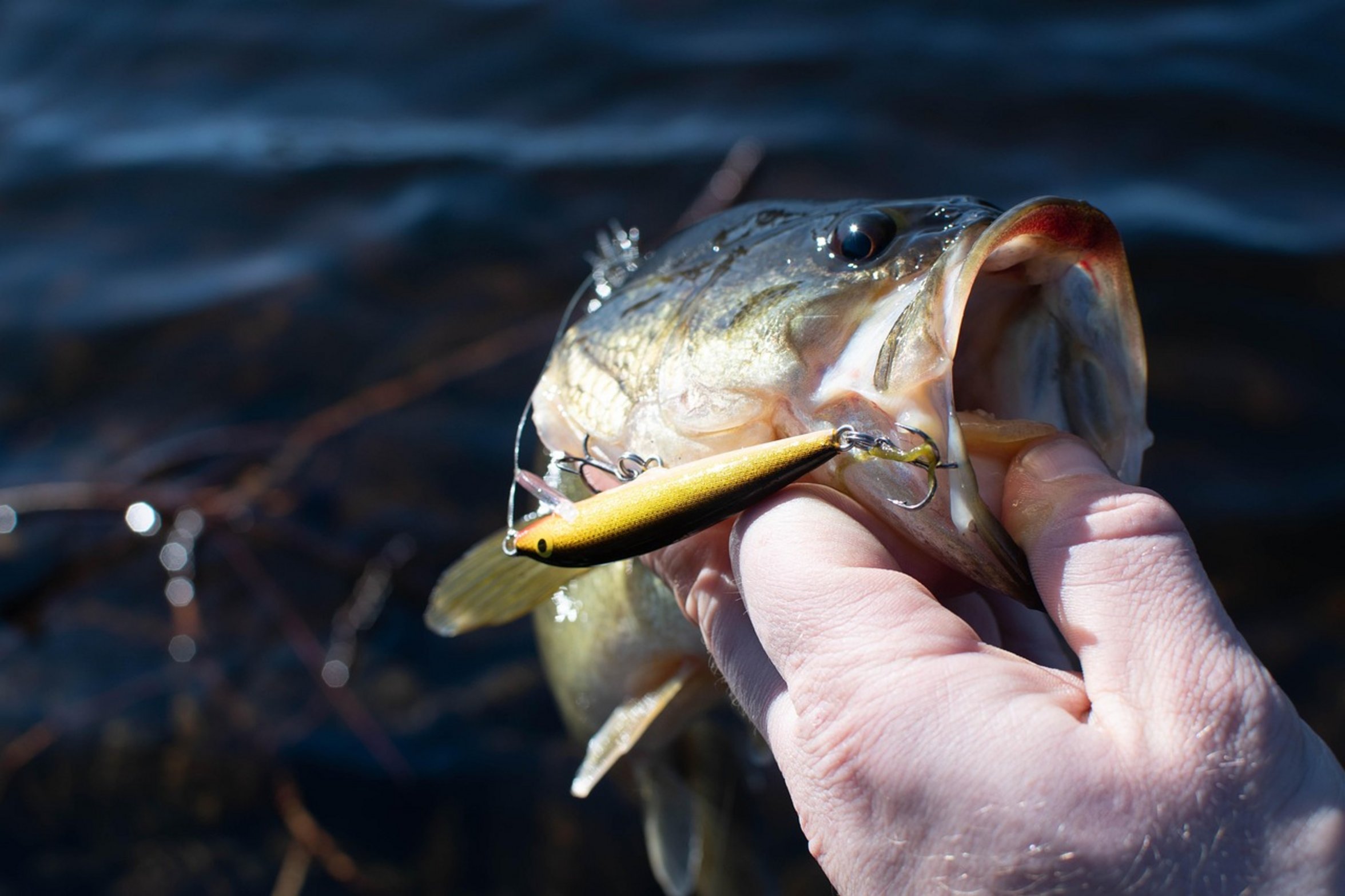
Largemouth bass are undisputed kings of Texas freshwater fishing, though there are plenty of other great species to target. Throughout the east and central portions of the state they rule the roost in reservoirs. They love to hang out on weed beds, rock formations, and submerged timber structure.
And they fight well… so it’s no wonder why many angler want these fish. Whether you’re talking about Toledo Bend, Lake Travis or any number of smaller impoundments, you’ll catch largemouth bass. The challenge lies in knowing where they go and when.
2. Smallmouth Bass
In the spring they run the banks to spawn, but in the summertime, they’ll head deep to cover. Knowing this behavior goes a long way toward catching them. For anglers who want more of a challenge, Smallmouth Bass are for you.
Smallies prefer clearer water, high oxygen content and rocky habitat. Two great places for these feisty fish are Blanco River and the Guadalupe River. Unlike largemouths, which prefers weed beds, smallmouth prefer current and structure over heavy vegetation.
When they do bite, they are known to provide an exciting fight that is sometimes heavier then their actual weight. Lighter tackle and smaller lures will be your go-to bait types when fishing these fighters, which can only be caught by precise presentations and some patience. The payoff includes a harder-fighting smallmouth and clean meat.
3. Channel Catfish
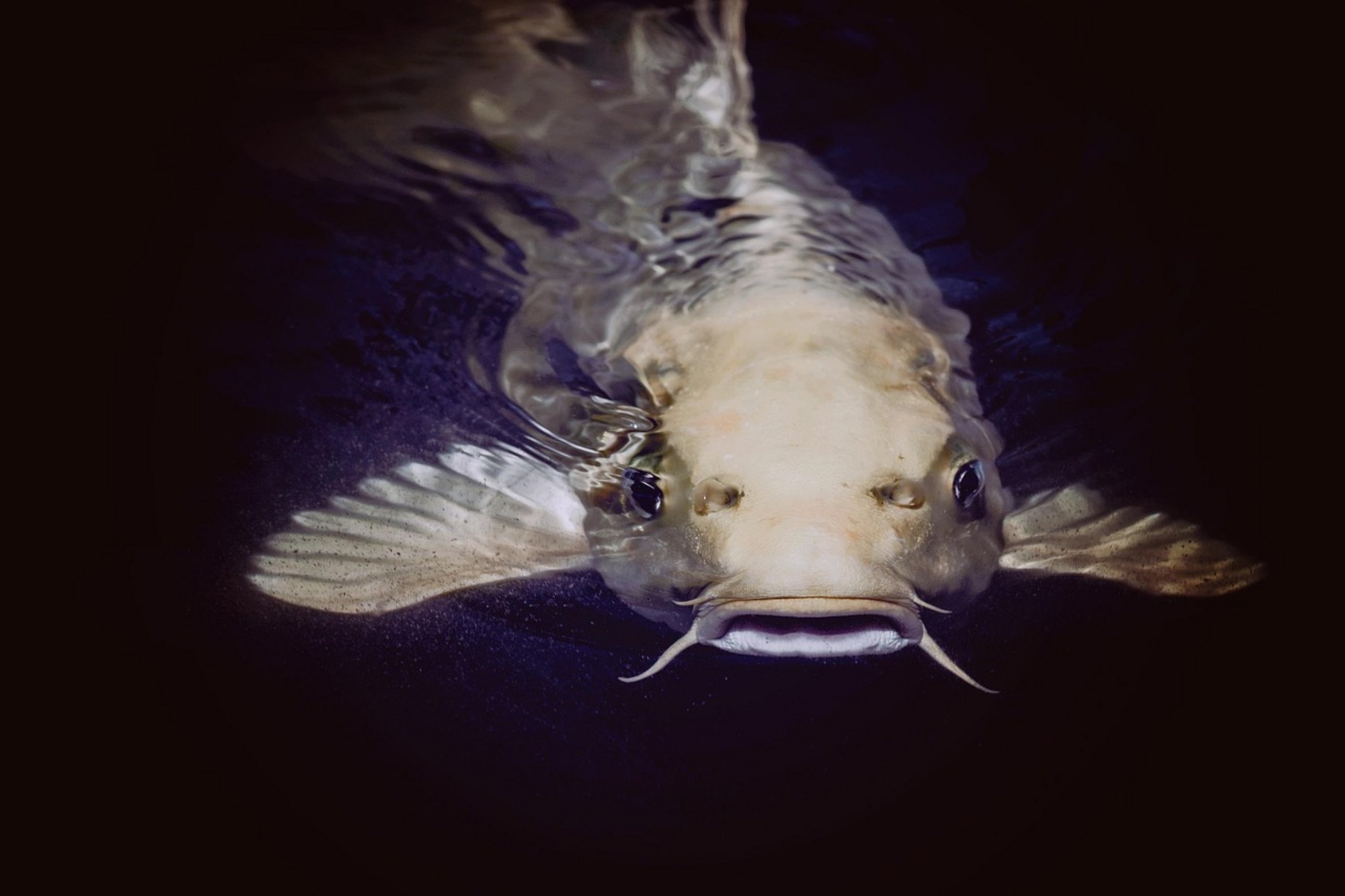
Channel Catfish are the most abundant catfish species in Texas waters. The most common of those fish is Channel Catfish. These fish populate shallow waters of rivers, lakes and slow moving streams from one end of the state to the other.
They can live in many different water condition. Because of that adaptability, Channel Catfish are commonly caught by anglers fishing bottom rigs with strong scenting formulas or by sight fishing. They is primarily active at night.
Known for their excellent sense of smell, these fish will seek out prey in dark, muddy water. Anglers can catch a lot in a short time, and the fish is easy to hook, making them perfect for teaching new anglers how to manage lines and set hooks. They are the heavyweight class of Texas fishing.
4. Flathead Catfish
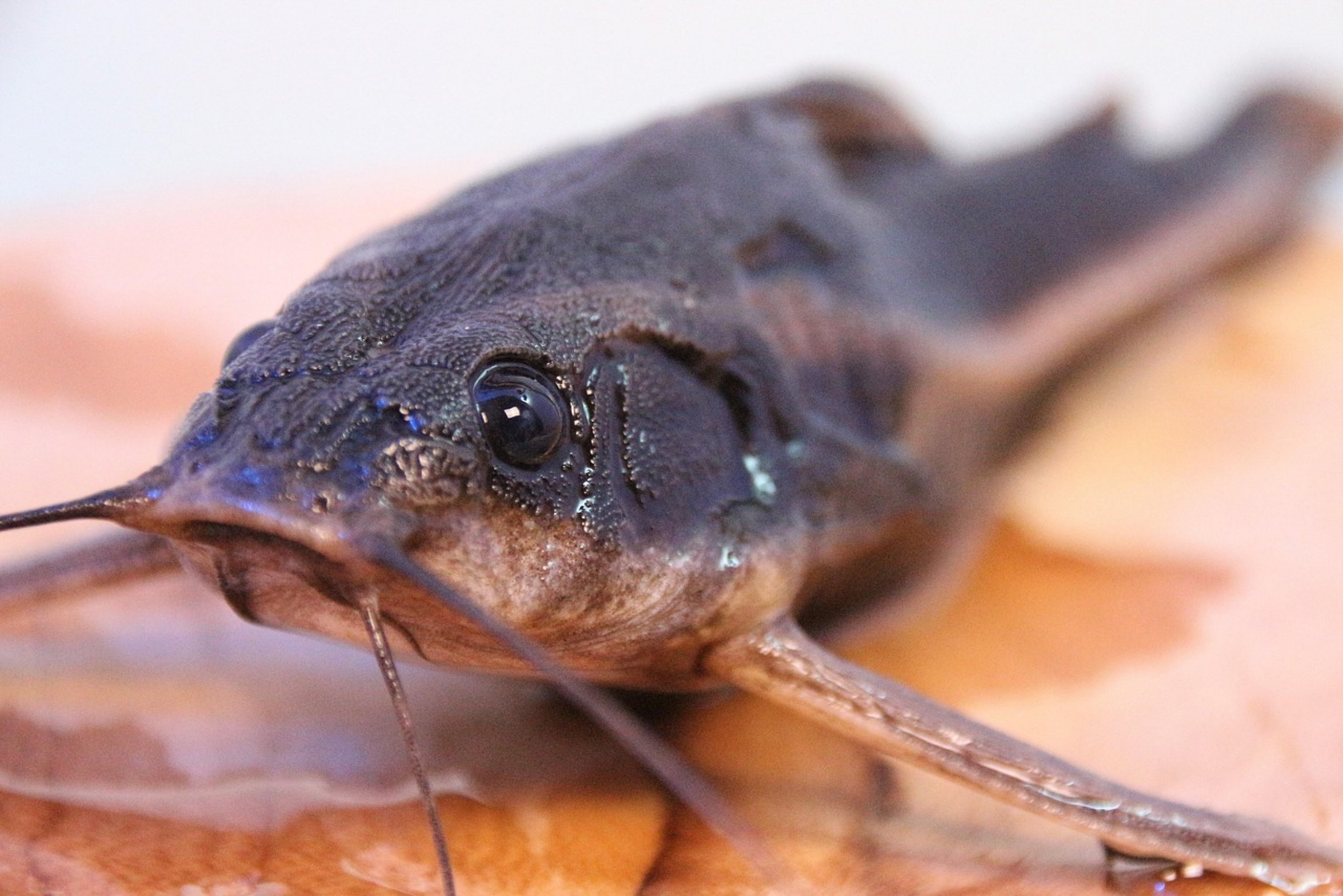
Unlike their Channel Catfish cousins that scavenge, Flatheads are active hunters, often solitary predators seeking out steep drop-offs, fallen trees, and deep water holes within big reservoirs and rivers. Live bait and plenty of patience is needed to catch these fish. When they eat your bait, they will take it whole and have earned a reputation for swallowing hooks, making them tricky to land or handle when releasing.
Because they indicate healthy and complex river systems, many anglers believes Flathead Catfish are the top freshwater predator in Texas. Nothing compares to the thrill of setting the hook on a monster Flathead Catfish in Texas waters. For those who like running their boat around a lot, White Bass offer some of the fastest action on the water.
5. White Bass
Schooling fish available on most all river systems and large reservoirs. They are aggressive biters that will hit a crankbait or topwater plug with ferocity. The feed-ups can be short-lived and extremely explosive.
Finding the school is half the fight. If you do find the White Bass, the fishing gets really fast and fun. They are good warm up fish for targeting others.
They are also an indicator of good baitfish population in the water column. Texas winter fishing has some hidden gems: Crappie. Along the coast, crappie favor the brackish environment and white crappie is most common, but black crappie dominate our inland waters.
6. Crappie
Both will school up during cooler weather, allowing fishermen to target these fish with vertical jigging methods. They tuck under the cover of submerged brush piles and even around boat docks. When it all lines up, you’ll see anglers reporting dozens of Crappie catches within an hour.
These fish are also a popular food because they taste very mild. Knowing how the waters will swing is key to finding where they gather. The gar fish may appear prehistoric but when you get one on drag he is a fighter.
7. Gar Fish
If you don’t give him proper respect, his sharpened beak will chew up some line. The Eastern Texas Bayou’s include both long nose gar and spotted gar that love the slow moving water in the bayous of east Texas. Warmer tea colored water and lots of cover are what they like best.
You’ll need stout gear and must take care how you pull them out of the water because of those spiny fins. Garfish are a blast to catch. Anglers who want something different should of tried fishing for them.
And the fact that they last long enough to tell all about it just proves again how wild the waterways here are. Texas trout water systems is also seeing a new rising star: Sauger. More popular among anglers for being similar to walleyes, saugers are clearwater, coolwater fish.
8. Sauger
Both the Llano River and the Pedernales River is home to a healthy population of saugeye, which reach large sizes rapidly. Since sauger feed actively near dawn and dusk, anglers use small spinners and live worms to tempt them out of hiding spots. In these managed fisheries, sauger grows at an astonishing pace.
And because they’re so rare compared to more prolific species, the feeling of catching a nice sauger is like reeling in a trophy. It’s another example of how fishing opportunities change over time. Your day on the water revolves around which species you choose to pursue.
Different times, tactics and equipment is needed for each species of fish. And we have such a wide variety to choose from that it’s always something different to try and learn. From the finesse of crappie to the muscle of a catfish, Texas doesn’t disappoint.
Always be mindful of protecting this resource and embrace catch and release when appropriate so these populations stays healthy for years to come. So go ahead, lean out over that dock or off that bank the next time you’re casting your line and consider what is below the surface. Let the water make your decision.