
Water defines the province of Ontario. With thousands of miles of shoreline and more lakes than any other place on Earth, you’re never far from dropping a line in freshwater. All that water may lead one to think all you have to do is show up and you’ll catch something, but the key is knowing what’s down there.
Not everything works for everything. Different group of fish living together behave very differently because they live in different types of habitats. So knowing who you are targeting realy matters.
It affects everything from hookset to bait selection to casting location. An angler new to fishing may look at every fish as the same (all bass are equal, right?). However, experienced fishermen understand that biology drives the behaviors of each species.
This can make the difference between a great day on the water and a disappointing one. Knowing more about them will not only help you become a better angler, but also teach you how to respect their ecosystem. Ontario has several major freshwater fish that will test your skill as an angler on their river and lake waters.
These include lake trout, which take food lightly, and northern pike that attack it viciously. All require different skills to hook up with them well. They also show what fishing in this part of the country is like.
Top Freshwater Fish Species Found In Ontario
1. Northern Pike
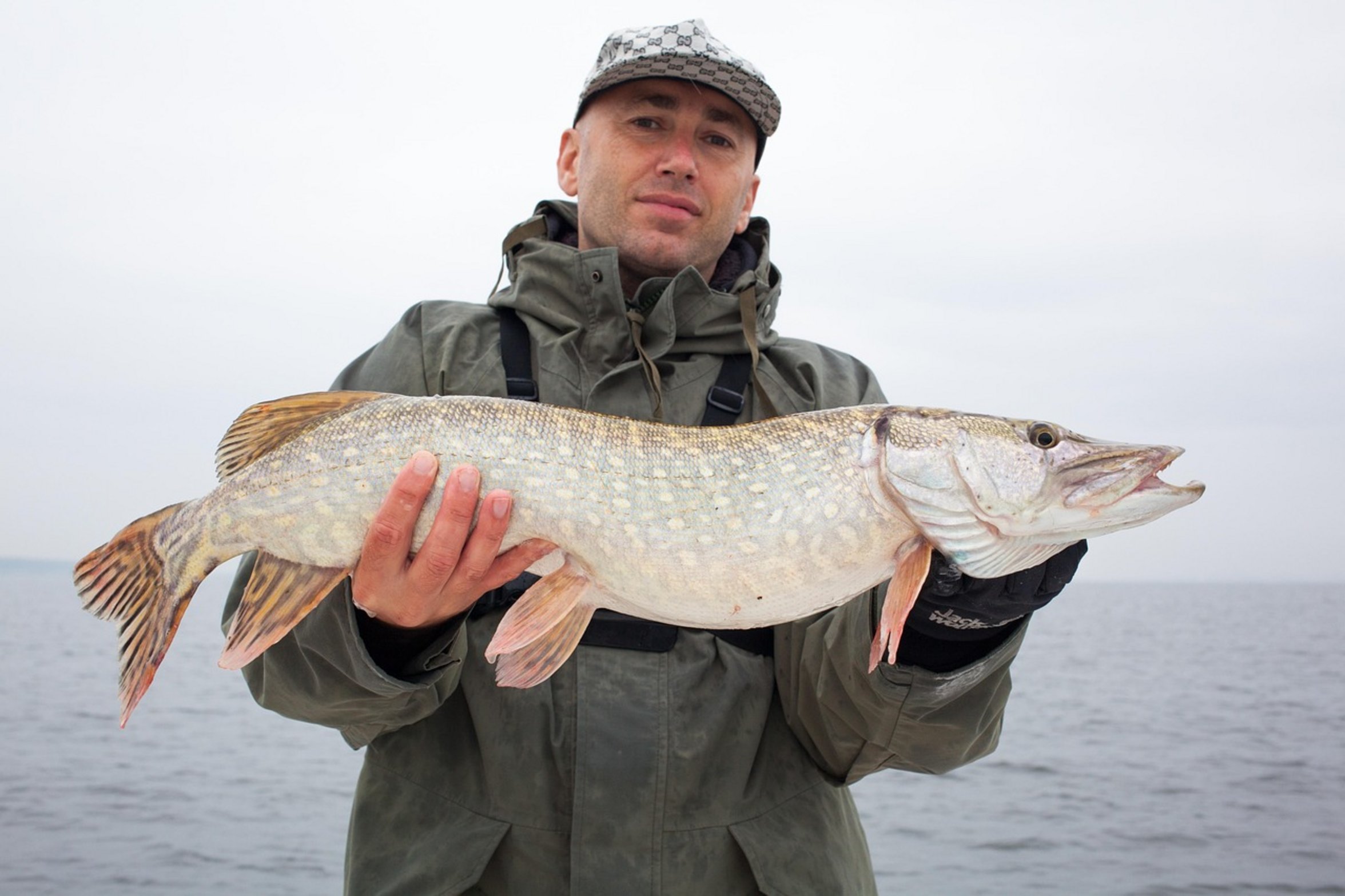
This is the Northern Pike. Many of our slower moving river systems and even some smaller lakes has large sections dominated by Northern Pike. These long-bodied fish with spot patterns camouflage well in weedy shallow areas and are ambush predators.
They are built for holding onto their slippery prey, not chewing on it… so they’re full of lots of sharp teeth. When you hook one, be ready for a violent fight because these guys is tough fighters. If your leader isn’t heavy duty enough, they’ll take the line right out of your hand often times.
When targeting pike, anglers will typicaly cast big lures in open water off of drop-offs or around vegetation. They have an aggressive nature and love to react to flashing, moving objects. This makes spinnerbaits and soft plastic baits excellent options for them.
The best part about it is that the fish attack with an explosion, often before the angler feel the weight of the bait. That’s why they’re also such a good starting species for someone looking for instant gratification.
2. Largemouth Bass
Perhaps no freshwater game fish is more linked to North America than the Largemouth Bass.
They love warm water and find plenty of it in Ontario. Because bass are ambush predators, they’ll hang out behind some type of structure, such as a rock reef or submerged tree; until they spot their dinner, then explode from cover and attack. While pike are ambush predators in weedy shallows, largies is bottom-oriented and will eat smaller fish and crayfish along the shoreline.
When you hook one, you’re in for a battle as these strong-jawed creatures has the ability to swallow large meals. Other significant freshwater fish you might encounter in Ontario include northern pike, bass, lake trout, rainbow trout, walleye, and brook trout. The key is knowing how to read your light and water temperatures to be successful with bass.
In most situations they like that shadow cover to hunt from in the early mornings and evenings when they are more active. When you’re around the cover it’s best to cast a creature bait or a jerkbait that will mimic what the bass feed on day in and day out. Being accurate and patient are keys to being good at bass fishing.
Sometimes, the fish won’t move off of the piece of structure until the right time.
3. Smallmouth Bass
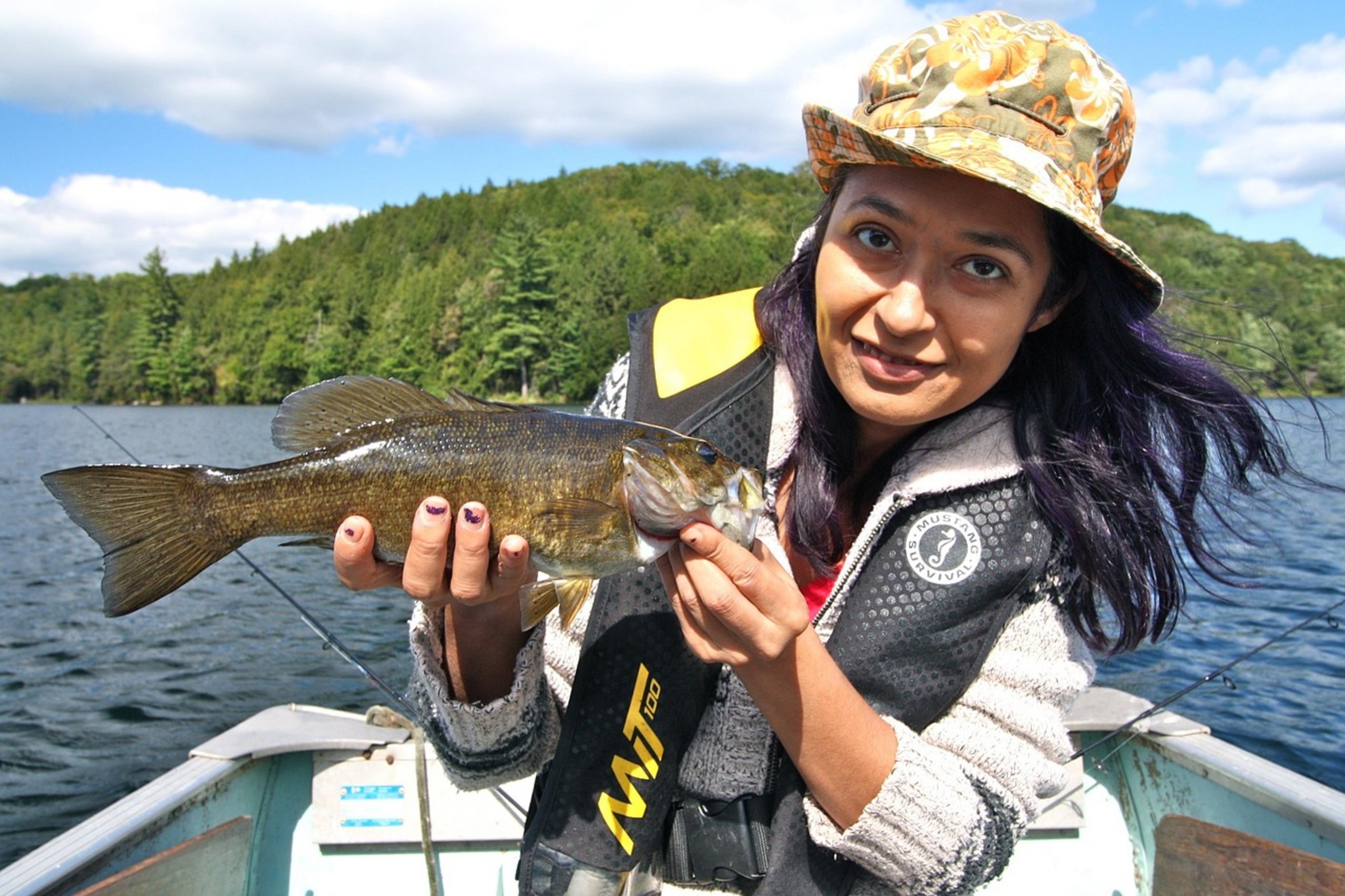
While named after their bigger relatives, Smallmouth Bass is a unique fish. They are found more commonly on rocky lake shelves or rivers where water is moving quickly and clear compared to the weed-filled bays.
They prefer to hide in the gravel, blending in with their brownish (bronze) coloring while eating minnows and crayfish. Anglers will tell you that smallmouth are known for putting up a good fight; they are smart mouths that applies steady pressure to test your drag system. Because they’re wary of heavy lines, smallmouth demand a more technical fishing style.
Even cautious bass will bite small crankbaits and drop-shot rigs. In the hot summer months, they’ll frequently be located in deeper water, so make sure to change your depths regularly. You’ll be rewarded with an intense battle, earning them the respect of any serious freshwater enthusiast.
4. Lake Trout
Larger lakes, especially up north, is home to Lake Trout that inhabit their deep cold waters. These fish are truly cold-water fish and must have enough oxygen in water below certain temperatures to survive. In summer, these fish stays out of warm shallow bays and instead stay in the open water column above rockier bottoms.
Without some local know-how or today’s sonar technology, these fish can be tough to find. There are many ways to catch lake trout; however, vertical jigging is the most common because it lets you drop your offering exactly where they live. Whether you’re dropping an artificial lure or a whole minnow, you get bit when you put it on the bottom and tickle them noses.
The fight can be surprisingly powerful given their size, often exhausting even experienced anglers. Lake trout fishing is more like cracking the code of a secret locked away in the bottom of the lake.
5. Rainbow Trout
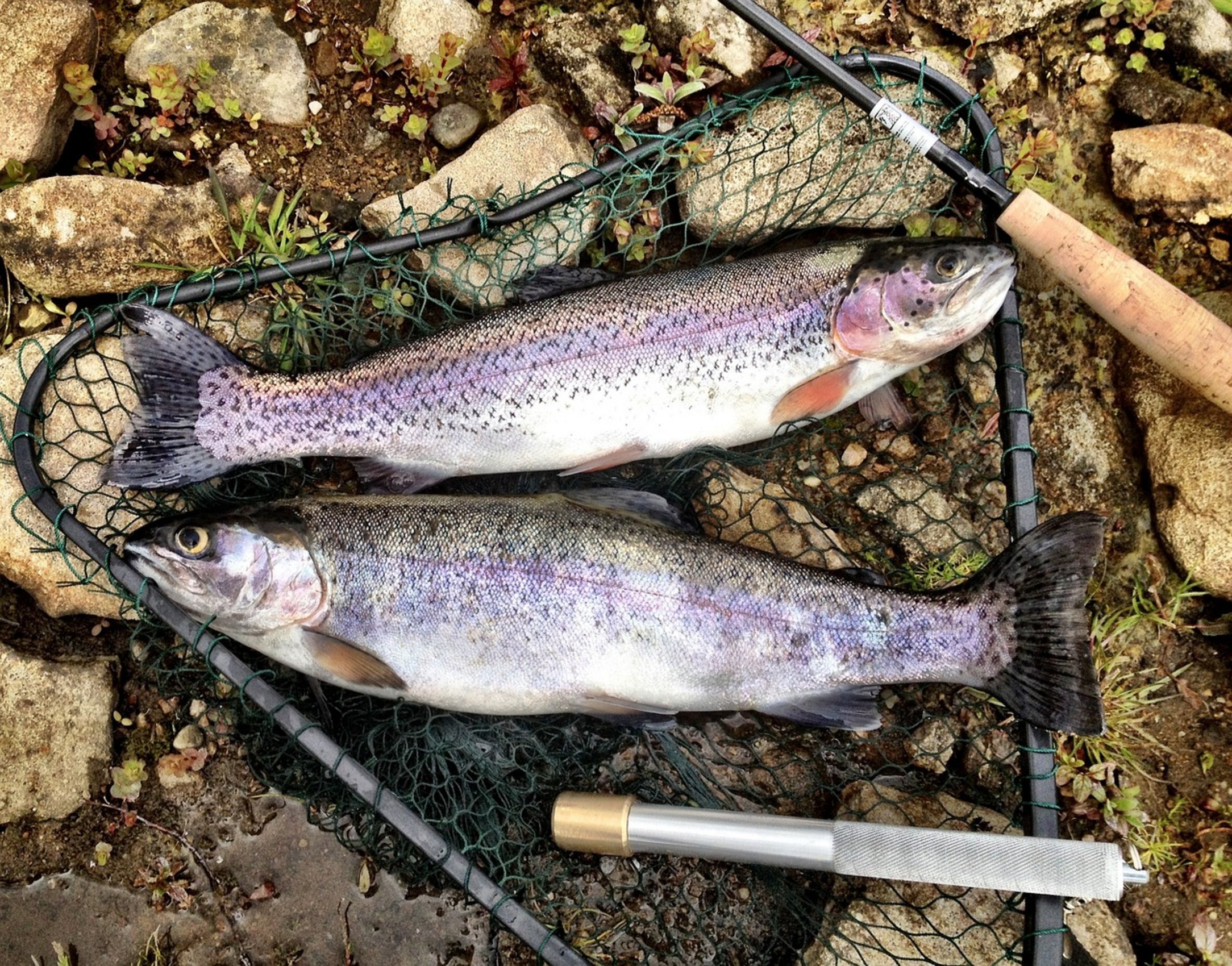
Ontario also stocks smaller lakes and streams with Rainbow Trout for fishing.
Like the brook trout, they too live in cold, clear waters, but generally inhabit more river habitats such as riffle areas and deeper pools. When you do land one, their vivid lateral stripe leaves little doubt of what species it is. Catch and release is essential because they are regularly stocked and need to be kept alive to help build a healthy population.
In river habitats, rainbow trout are easily caught with small spinners and dry flies that imitate natural drifting insects. In lake habitats, troll different depth ranges until you find schools of feeding fish roaming cool water levels. Depending on time of year, they will be feeding on the surface on insects or subsurface forage.
Rainbows is the fine art of fishing, where skill in your presentation is more important than sheer muscle power.
6. Walleye
Walleye are nocturnal predators that have great night vision and can see well in dark water. Because of this, they holds deeper in the day and then push shallow when it gets light in the morning or evening.
On dark nights, walleye move into shallower feeding grounds and you can spot them because of the light reflecting back from their glassy eyes. Knowing where a walleye is in its day means knowing what to use. When fish are spread out, trolling crankbaits or live bait rigs behind boats covers water efficiently.
In river systems, minnow drift jigs works well for spring and fall runs as well. Because of their subtle bites, anglers may lack the sensitivity needed to detect them if they aren’t careful with their gear and hookset. The ability to sense this slight bite is what distinguishes good walleye anglers from those who are not.
7. Brook Trout
Ontario’s cold, clean mountain trout rivers and headwater streams hosts native Brook Trout. The catch of a lifetime is not only beautiful when landed, but it also has distinctive red spots surrounded by blue rings and a marbled pattern in its flesh. Brookies inhabit high-oxygen water that flows swiftly.
They like to hide under undercut banks, or behind boulders. Because they are vulnerable to temperature increases and pollution, they serve as an indicator species. When fishing for brook trout, you have to be careful where you walk because you don’t want to disturb their home.
You will need to imitate tiny bead or fly naturaly as they eat terrestrial bugs that fall into the water, as well as aquatic insect. It is very special when you catch one of those wild brook trout in its natural habitat after working so hard to get to them. Keeping these fisheries alive means future anglers will be able to enjoy this rewarding sport.