
A huge difference occurs when we start night surf fishing. The air cool down, the beach empty out, and most importantly, you have opportunity to fish during prime feeding time after most other anglers call it a day. Night fishing is all about adapting your approach and gear to low-light conditions where you can’t rely solely on your eyes.
It take a little more planning then just throwing some lures out there in the afternoon. However, payoff is large as the fish gets bolder at night and will come further into the surf than they would during daylight hours. The best part is the most essential tool of the night fishing game: lighting.
Essential Night Surf Fishing Tips for Success
1. Preserve Night Vision With Red Lighting
It matter which one you use, because red light is recommended for preserving night vision while white LED can blind you. A headlamp is best for that and a simple LED model will do just fine. Many of the old-timers suggest red light bulbs because they are good for preserving night vision while still lighting up what you need to see.
White LEDs shine brightest, but also will temporarily blind you if you happen to be looking right into the beam. Consider that when thinking about how many fish you might see in the darker water around you. When the visibility decreases, you’re largely forced to abandon visual lures; this is where your choice of baits changes drasticly.
2. Switch To Scent And Vibration Baits
Abandon color for scent and vibration, using cut bait from salmon or mackerel heads, which releases strong oil trails that predators will definitely finds. Live crabs/shrimp also works wonders, they mimic natural drifts within currents and cause reflexive bites. Your mission: provide an offering that’s impossible to pass up via movement and odor.
Forget flashy colors. Use heavy tackle. Big fish feeds hard after dark, so use stronger rods for more power.
3. Use Heavy Tackle For Big Fish
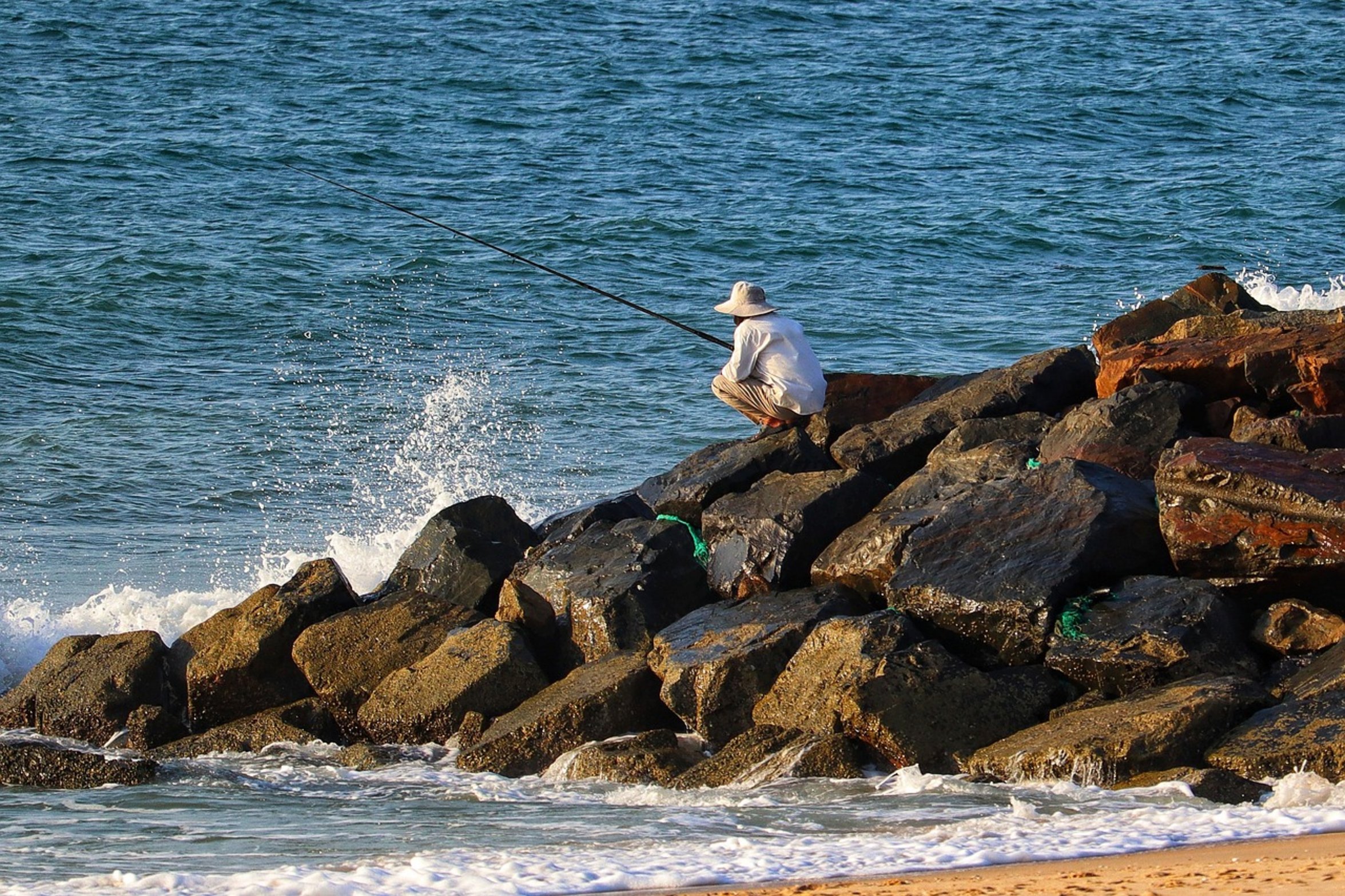
You’ll be around some big striper or red drum that get close enough to cast to them late in the day. A stiff heavy to medium heavy surf rod gives it the strength to slam hooks into those fat scale job. Keep ‘em short (around nine-footers) and they’ll be manageable in close quarters as well as from waist deep wading water.
Sensitivity isn’t an issue… You won’t detect a light bite over the roar of churning seas so stick with power. The biggest safety issue most novice night anglers forget is being able to see their line.
4. Choose High Visibility Fishing Line
Using bright colors like yellow or green help you see your line. Yellow and green monofilament lets you know when a fish gets wrapped up in your line. Clear fluorocarbon vanishes on the black water and makes for a nightmare trying to untangle knots.
So the best compromise would of a very noticeable main line combined with a more opaque leader section. That way you can manage tangles or check for damage without alarming wary fish that might sense a bright line passing too close to them. While an anchor might not be necessary to help you land a few fish, it will certainly save your life more times than it saves a fish.
5. Secure Your Position With An Anchor
When you’re watching for the next swell rolling in from the horizon, being pegged down by a solid anchor or umbrella in the sand is a lifesaver. Being able to stand freely on soft sand as the water approaches high tide can be treacherous if you can’t feel where your foot goes and one wrong move when a surge hits can sweep you away before you even realize what happened. Having secure footing lets you concentrate solely on fishing without having to think twice about standing up and falling over.
Because you can’t see the rod tip quite as well in the dark, you have to be creative with bite indication. For example, electronic fish finders on the handle of the rod will beep or vibrate depending off how much tension is applied. Or you could use a glow stick at the end of your line which gives you a visual cue.
6. Install Visual Bite Indicators
It swings wildly when a fish take the bait. If you like things old school and don’t mind getting some false alerts from the wind, then mechanical bite alarms also gets the job done. The thing is, unless you have an external signal system, you won’t be able to rely on feeling the bite with wet hands in the dark.
The key to a good night trip is patience. The transition time around twilight can be outstanding and that makes or breaks the night. Often times the largest fish will come during the darkest part of the night.
7. Practice Patience During Twilight And Dark Hours
These predators has had little pressure from man and are more apt to take chances on an unknown meal because we aren’t there to see them. Dimming your lights down and sitting quiet in the cool evening air minimizes disturbance to the marine environment below. You may not see much for the first hour but if you sit, you’ll be rewarded with action few anglers get during the day.
Prepare well and be flexible; it’s all about using your different senses on nights when surf fishing calls. Heavy gear, scent-driven baits, good light and bite indicators will turn nighttime’s negatives into positives. Alone on the beach at night, each strike becomes more special.
Tighten that anchor, dim your headlamp and keep your eyes peeled for something moving in the shadows.