
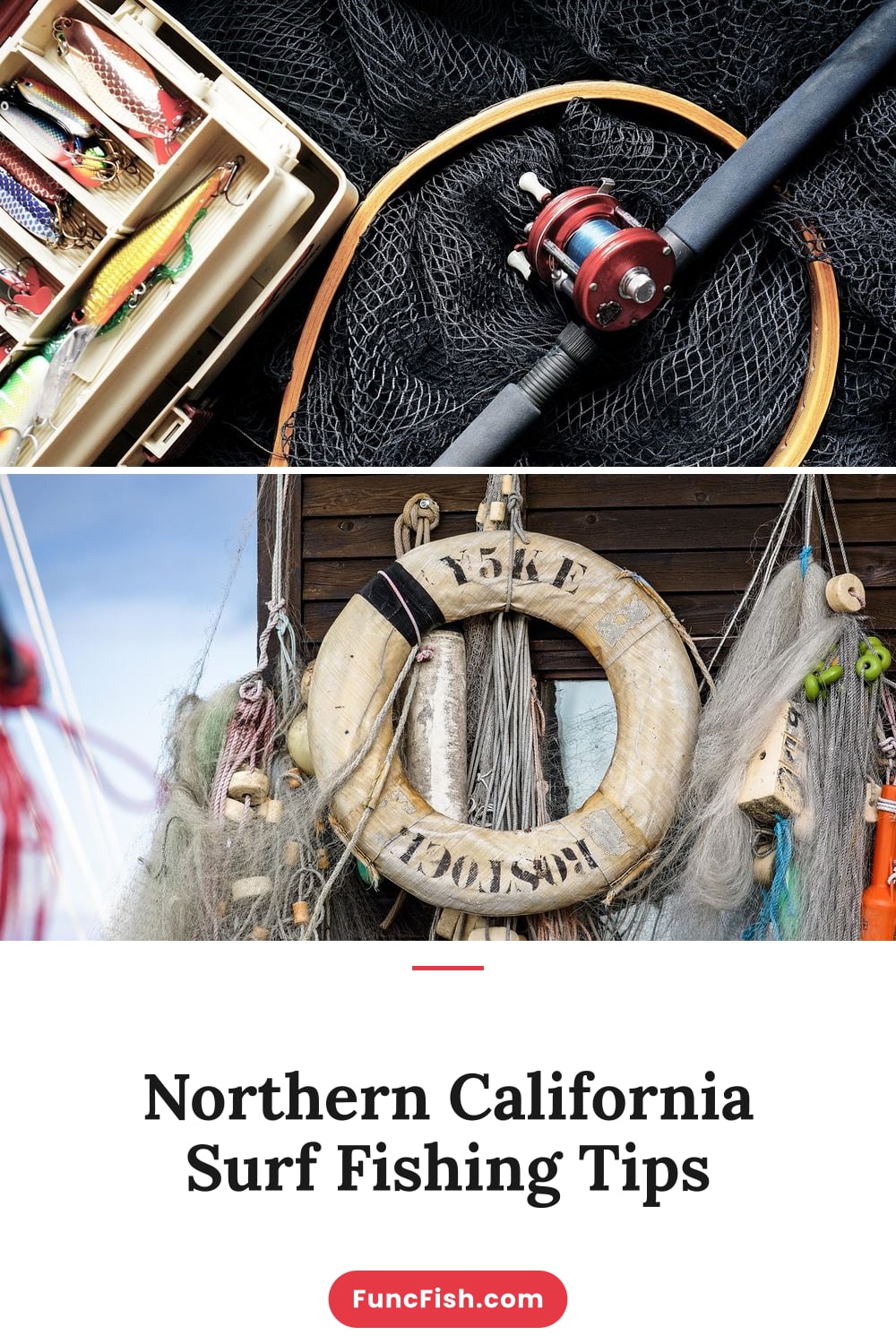
When you stand on a beach in Northern California, the wind that blow off the Pacific Ocean hits your face with salt spray. A few hundred yards away from you, a pod of dolphins plays in the gray water. You are holding a long surf rod in your hand with high hopes that a fish with teeth will find your bait.
Surf fishing is an activity that requires a person to have a certain level of patience, knowledge of the area, and the proper fishing gear in order to experience any success with this sport. The fish that live in these Northern California coastal waters do not care for your likes on social media platforms, but instead have specific concerns regarding the tide, the bait that you use, and the way in which you present the bait to the water. If you get these variables correct, the coast from Humboldt to Monterey can provide experiences with striped bass, redtail perch, leopard sharks, and even the occasional halibut.
Many individuals that begin to learn how to surf fish arrive at the beach with whatever fishing rod they own, a bucket of frozen squid, and with the hopes that the fish will take their bait. These beginners will likely leave the beach without there desired catch and begin to blame the ocean for their bad fortune. The Pacific Ocean along the coast of Northern California is often moody and cold to those who visit, and is home to features like sandbars, rip currents, and seasonal fish migrations that most surf fishermen is unaware of.
However, with a few key tips that these seasoned anglers can pass along to the beginner, anyone can begin to experience success with surf fishing in this region of California. Timing your surf fishing trip to coincide with the tide is the biggest advantage that you can have. Fish begin to become active along these California coastlines during the two hours that occur prior to low tide, as well as in the two hours that follow low tide.
Essential Tips for Northern California Surf Fishing
1. Timing Your Trip with the Tide
During these two periods, the fish are feeding for energy and to sustain themselves. Additionally, if you travel to locations like Dillon Beach or Ocean Beach, you can arrive prior to sunrise in order to take advantage of the falling tide that often occurs during the late spring or early fall. These tides will help to bring in striped bass to the area if you use sand crabs and pile worms that you can place in these areas that the incoming surf is washing into the beach.
If you show up after this time period, the beach may seem barren of life, even though the surf fish is migrating to these areas at the times mentioned above.
2. Selecting the Right Rod and Reel Combo
Using the correct fishing rod and reel combo will prevent you from experiencing injuries from either too much fighting with the fish or your fishing equipment. For example, a fishing rod that measures between nine and eleven feet in length and features medium-heavy characteristics paired with a spinning fishing reel of the 6000 to 8000 size will allow you to launch a three ounce fishing weight past the breakers that form along the beach.
Additionally, your rod will allow you to feel the subtle taps of a perch against the rod that you hold. Fishing rods that are as heavy as boat fishing rods will reduce the distance that you can cast your line, as well as cause you to tire out your arms before you even see any fish with your eyes. These rods made of carbon fiber are lighter than the old fishing rods made of fiberglass, as well as provide power if you encounter a thirty pound salmon shark that decides to dine upon your bait.
Bait choices for the waters along the North Coast of California depend upon the time of year that you plan on fishing. During the summer months, species like redtail perch and small striped bass may respond well to the use of fresh mussels or sand crabs that are dug from the beach itself. However, during the autumn months and during the Herring Run, live anchovies or sardines that you target with a fish-finder fishing rig will begin to reveal larger bass to your line, or even a stray lingcod if you are fishing near rocky areas along the coast.
The key to success with these bait choices is to always ensure that your bait is both fresh and full of life. Frozen squid may be used in a pinch if you are unable to locate fresh mole crabs during low tide. However, frozen squid often leaks its scent too soon, and it does not exhibit the same movements as the living bait species.
Being able to read the ocean and understand where the fish are moving will help you to have better fishing experiences. Areas where the surf breaks into uneven sets or where there are deeper channels between the sandbars will reveal darker areas of the ocean that are troughs where fish tend to gather. Additionally, rip currents can either be of great benefit or to be of great detriment to those who fish within these areas.
To take advantage of these currents, fish just to the side of these currents to allow the bait to fall into the deeper areas of the ocean. Twenty minutes spent watching the ocean prior to setting up your surf fishing gear might seem like wasted time, but it is not wasted time if you know that the individuals that catch fish have spent time studying the ocean waters.
3. Using Proper Terminal Fishing Gear
Surf fishing with proper terminal fishing gear will allow you to catch fish without losing them to the ocean, as well as will allow you to avoid experiencing nervous excitement during your fishing trip.
For example, a fish-finder fishing rig that uses a two to four ounce pyramid sinker that you place on a slider above a leader made of 20 to 30 pound fluorocarbon will allow the fish to smell the bait without feeling the weight of the fishing gear. Additionally, barrel swivels can allow your line to be cast farther distances without experiencing the line becoming twisted during these efforts to cast. Using circle hooks in sizes 2/0 to 5/0 will prevent fish from being gut-hooked and will allow for the quicker release of undersized fish.
Lastly, the sharpness of the fishing hooks is important, as a hook that cannot pierce the edge of your fingernail will not be able to secure itself into the jaw of a fish that has tumbled into the surf from the ocean. When engaging in surf fishing along the coast of Northern California, it is important that you dress appropriately for the cold water. Even in the height of summer, the ocean waters may measure around 55 degrees with the wind dropping the temperature by another ten degrees.
4. Dressing for Cold Coastal Weather
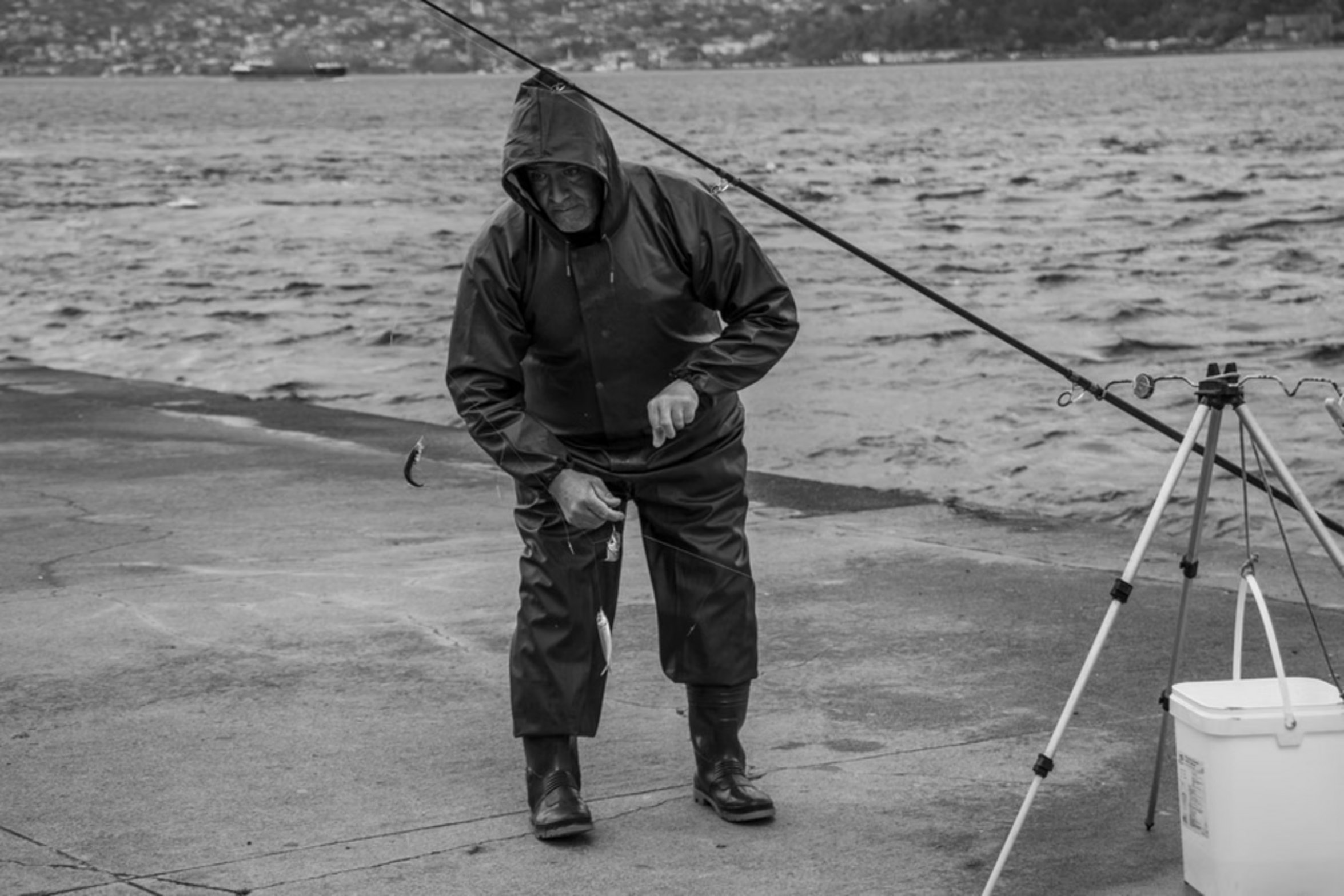
A moisture-wicking base layer is the first layer that you should wear, followed by a fleece layer and a quality rain shell to protect yourself from the ocean. Additionally, neoprene booties or wading boots with felt soles will prevent your feet from slipping on the rocks, as well as will not become numb from the cold water. A buff or balaclava layer worn under your hood will prevent the wind from taking your concentration away from your fishing efforts.
If you do not dress appropriately for the water, then you are likely to find yourself either unlucky or fishing for shorter periods of time.
5. Prioritizing Ocean Safety
Safety is a priority when fishing along the North Coast of California. Concerns regarding sneaker waves and cold water should be higher priorities than adding fish to your catch.
For safety’s sake, you should never turn your back on the ocean while you are fishing. Additionally, you should have one eye on the horizon while you are adding flavoring to your bait hooks. Additionally, you should always tell someone where you are fishing and when you expect to return from your fishing trip.
A waterproof case for your phone with a charged battery will help you to remain in contact with the outside world while you are on the beach. Additionally, if you plan on fishing alone, consider utilizing a personal locator beacon. While the fish will be here tomorrow, you will not want to miss the opportunity to add fish to your collection if you are not alive and able to join in on the fun.
Watching birds that are in the area may allow you to find the location of the fish balls. Species like pelicans and terns indicate that there are fish in the area that others are pursuing. Therefore, if you head down the beach in these locations the birds are spotted, you can increase your chances of catching a fish in mere minutes.
While not foolproof, observing the birds is better than fishing without any idea where the fish may be located. Additionally, the birds have returned and returned to these areas for much longer periods of time than any human being. Finally, ensure that you read and respect the regulations regarding surf fishing in Northern California.
For instance, striped bass fish populations have evened over time in these areas. Taking only what you need and releasing the healthy fish will ensure that the population of these fish remain sustainable for those who live in the area. Therefore, you do not need a full cooler of fish for a successful day.
The best memories from fishing can be those of watching a healthy striper fish kick against your hands before it re-joins the rest of the ocean foam. Surf fishing strips away the layers of complexity and returns to its basics of you, a rod, the tide, and the North Pacific Ocean. If you get a few of these variables correct, the ocean will begin to provide you with the catches you have desired.
The next time you feel the tap upon your line, you will remember that this came as a result of the small details that you used to stop ignoring them. Ensure that you pack your truck the night before, ensure that you wake up in the morning when you are ready, and allow the coast to reveal to you what it has been hiding all along.