
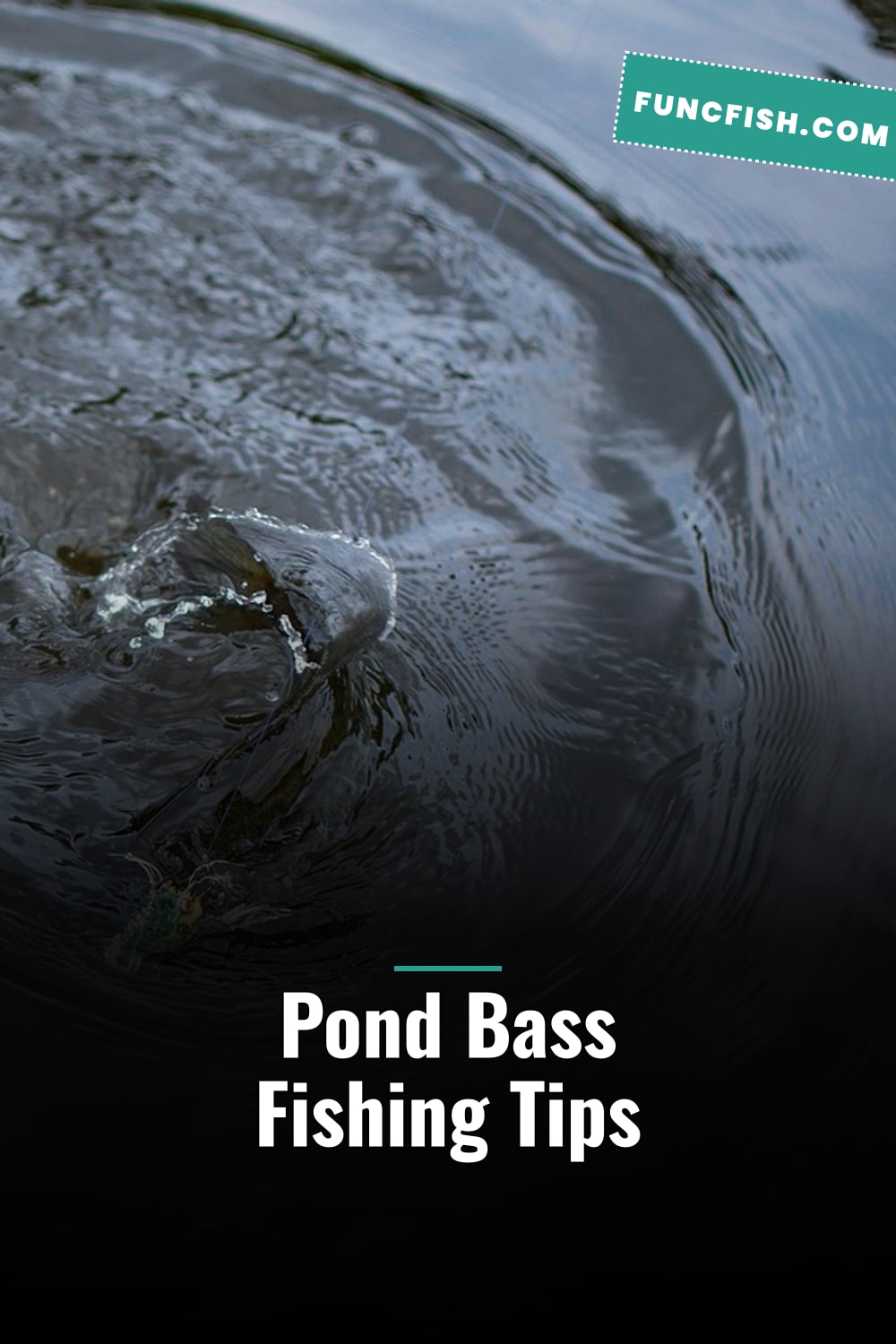
Before the sun comes up, pond surface is calm. It’s covered in mist, and glass-like surface remains undisturbed until something ripple it. Think of this time as a chance.
This is when largemouth bass is at their most active and hungry. Because they’re aggressively feeding, they frequentely make mistakes. This isn’t you throwing a lure out into the darkness.
You’re strategically dealing with an intelligent predator very familiar with its surroundings. Bait choice and technique is what most anglers think about when starting out. The latest and greatest stuff will do the trick and a perfectly placed cast are the key.
That’s only partially correct. The larger context is about knowing how weather patterns impact fish behavior as well as being able to read environment itself. Pond fishing is also a closed system.
Any change affect all aspects of ecosystem simultaneously. Don’t throw until you get it in your head: What is it doing underneath? Before you make a cast, put yourself in the bass’ shoes.
See past surface ripples. These tactics concentrate on observation, timing, and making little adjustments. They are not fast fixes.
It is more of a habit that makes for a good day when others struggle. Slow mornings becomes productive mornings because of these. These things set apart the casual angler from one who consistantly catches fish.
Essential Pond Bass Fishing Tips for Better Catches
1. Check Weather and Barometric Pressure

The key to every good trip start with looking at weather report. Bass are cold blooded creatures. They will respond to changes in barometric pressure about as fast than they do to a food source.
Usually a low pressure system mean that there is going to be some kind of weather coming into your area. That prompts a feeding frenzy before the storm hit. The high pressure days usually has fish sitting deep and sluggish.
Before you leave house look at long range prediction. If a front is heading in then get out early. It’s all about timing in this deal.
2. Read Wind Direction and Surface Conditions
When you get to your bank or boat ramp, pay attention to direction the wind is coming from. It’s pushing bugs and other debris on the surface towards one side of pond. That gives the baitfish somewhere to hang out.
They create a feeding zone and that’s what bass are chasing, so they’ll set up in those shallow, windy spots throughout the day. If it’s blowing north, look on north side of pond for some type of drop-off or structure such as a fallen tree. The chop breaks up sunlight and makes them comfortabley, allowing the bass to go hunting.
3. Target Structure for Cover
They’re more likely to be deep and shy around still water. When fishing for largemouth bass in ponds, there are two words that should never be crossed: Structure. It’s rare to see them cruising open water unless there’s a purpose behind it.
What they love is something that gives them some sort of cover from which they can ambush prey while also hiding themselves from predators. Boat docks, weed beds, rocky ledges and submerged timber is all great examples. Each one offers both some cover as well as temperature regulation.
In spring, they moves to the shallows near grassy banks to spawn; in summer, they are back in shade of overhanging trees or deep in a hole somewhere. Knowing what kind of main structure exists in your particular pond will tell you exactly where to throw.
4. Match Lure Color to Water Clarity
Adjust your presentation based off the water color.
In muddy water, the bass don’t have as much of an idea what they’re feeling and are forced to sense via vibration and sound. Darker colors such as black, blue, chartreuse works best here. Slowly retrieve bait so the fish has time to find it by feeling around with their mouths.
For clear water, it’s all about presentation. The bass will be spookier and can see your lure from farther away. Stick to natural colors such as brown and green pumpkin.
5. Fish During Prime Low-Light Hours
Cast further and let your lure fall to bottom naturally before reeling up. You’ll have more luck if you time your casts around the early morning and late afternoon hours instead of mid-day. In the brightest parts of day, bass will seek out areas with plenty of shade or deeper water to hide from view.
The low-light conditions and cooler temperatures in the mornings prompt bass to come up shallow to feed. When you can’t be there for first light, aim for that sunset window in the evenings. Both times is prime transition periods.
You’ll go crazy fishing during the middle of day (unless you’re targeting deep structure).
6. Slow Down Your Retrieve Speed
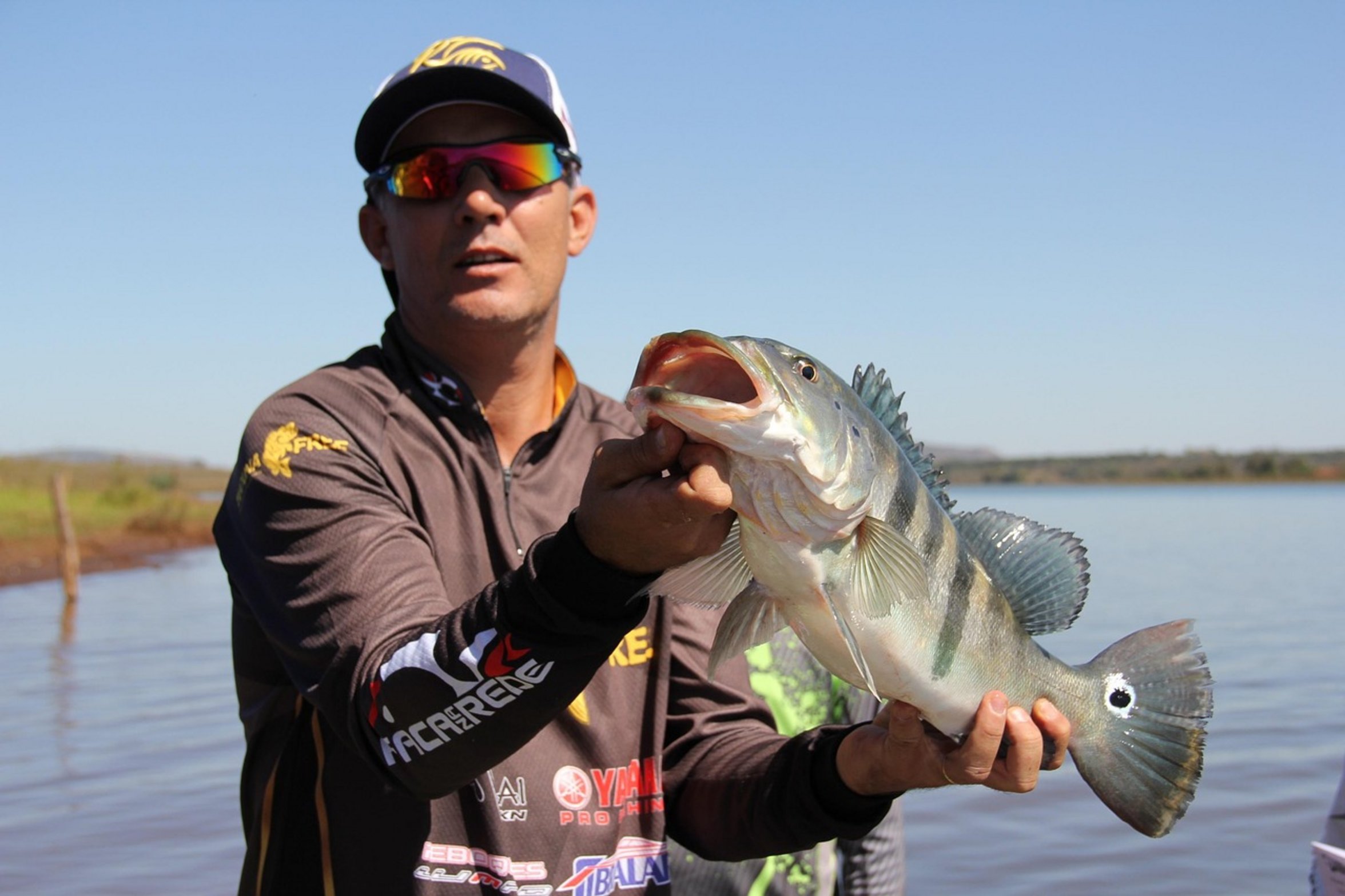
If the fishing doesn’t look good, slow down your retrieve. When many of us hear “slow retrieve,” we immediately think that means turning handle faster.
That’s not always true. If there’s a lack of oxygen in water or if it’s extremely cold, speeding up your retrieve will result in fewer strikes. A wounded baitfish doesn’t swim around quickly.
You’re trying to trick them into thinking they’re eating an easy meal. It require less energy from their end, which makes them more likely to bite. Give your bait time to reach bottom, raise it off the bottom just enough and let it fall back down.
This pause will cause those reactionary bites. It takes patience and learning how to be patient is something you should of worked at. But it’ll pay off with fish that won’t hit anything moving as fast.
7. Match the Natural Forage
Watch what else is foraging, “match the hatch.” Watch where frogs are, watch where the birds are diving, and if crayfish are along the rocks, use plastic creatures with curly tails. Are there minnow schools along the edge of weeds? Jig or a small crankbait might be the ticket.
As seasons change, so does the bass’ diet. Their food source changes based on location. Matching your lures to the main food source will raise your strike ratio a lot.
There’s no need to have everything in the box. You just need the right thing for whatever they’re feeding on now.
8. Practice Stealth and Quiet Approaches
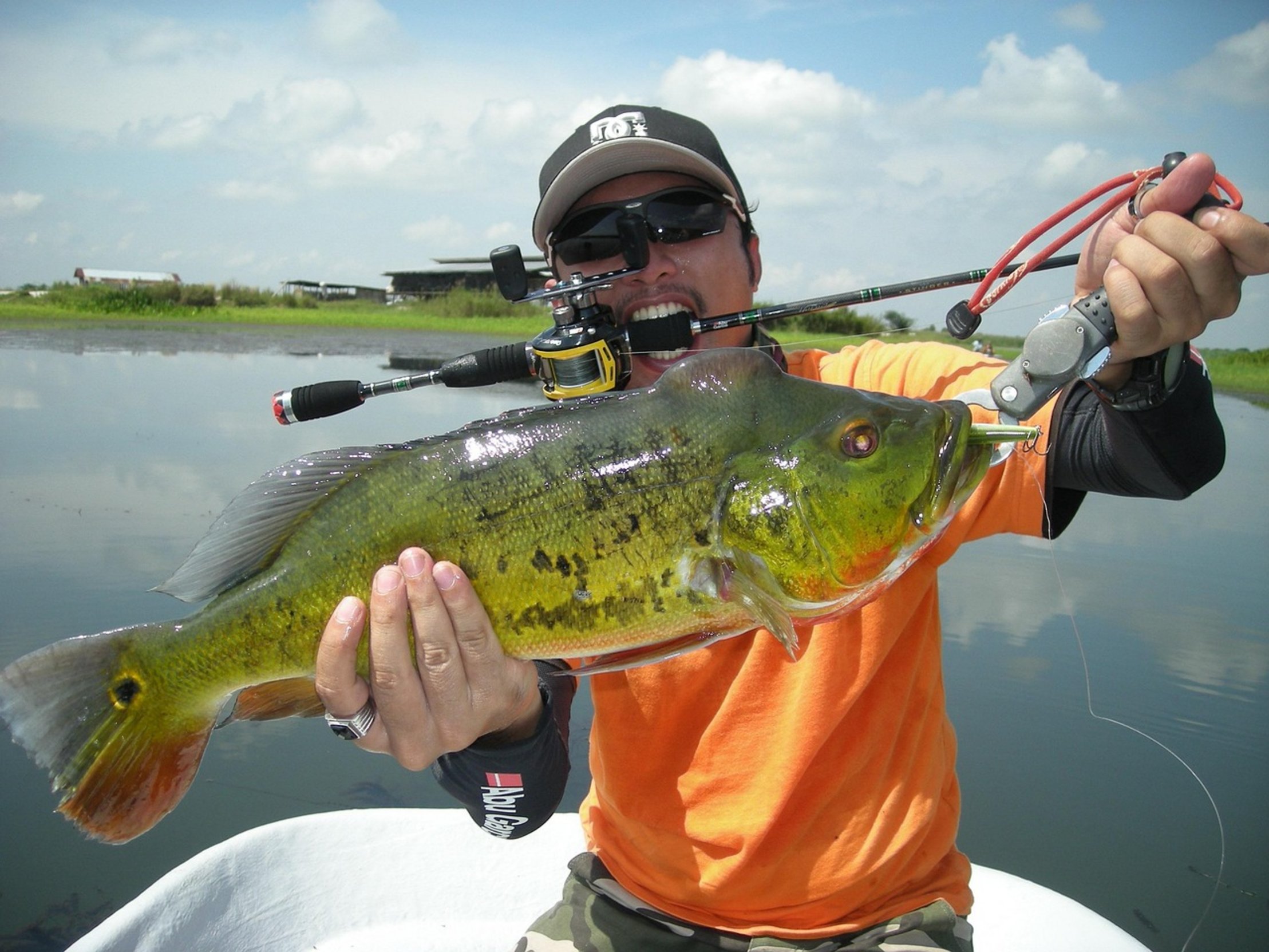
Stay off the top of them (On clear days in particular), avoid throwing any shadow across laying fish.
They see realy well, and they’ll know something is over their head immediately. Stay low and away from their vision. Whether fishing from a bank or a dock, throw around the backside of the cover instead of right overtop.
The surprise factor is what keeps it alive. Vibration travels very effectively through water column even in muddy conditions. Walking loudly along a bankline can spook fish well before you ever present your offering to them.
Be quiet about it too. It’s about consistency… Applying those principles over and over again until it becomes second nature.
Even if you do all the right things, you’re going to have an off day. Biological cycles, weather changes and fishing pressure also comes into play and affect every fisherman in ways beyond our control. But by adjusting your presentations, focusing on structure, and learning how to read conditions better, you’ll notice improvement in long run.
Get out early, be stealthy and pay attention to what is happening in front of you. The bass are already there and are just waiting for you to make the initial move correctly.