
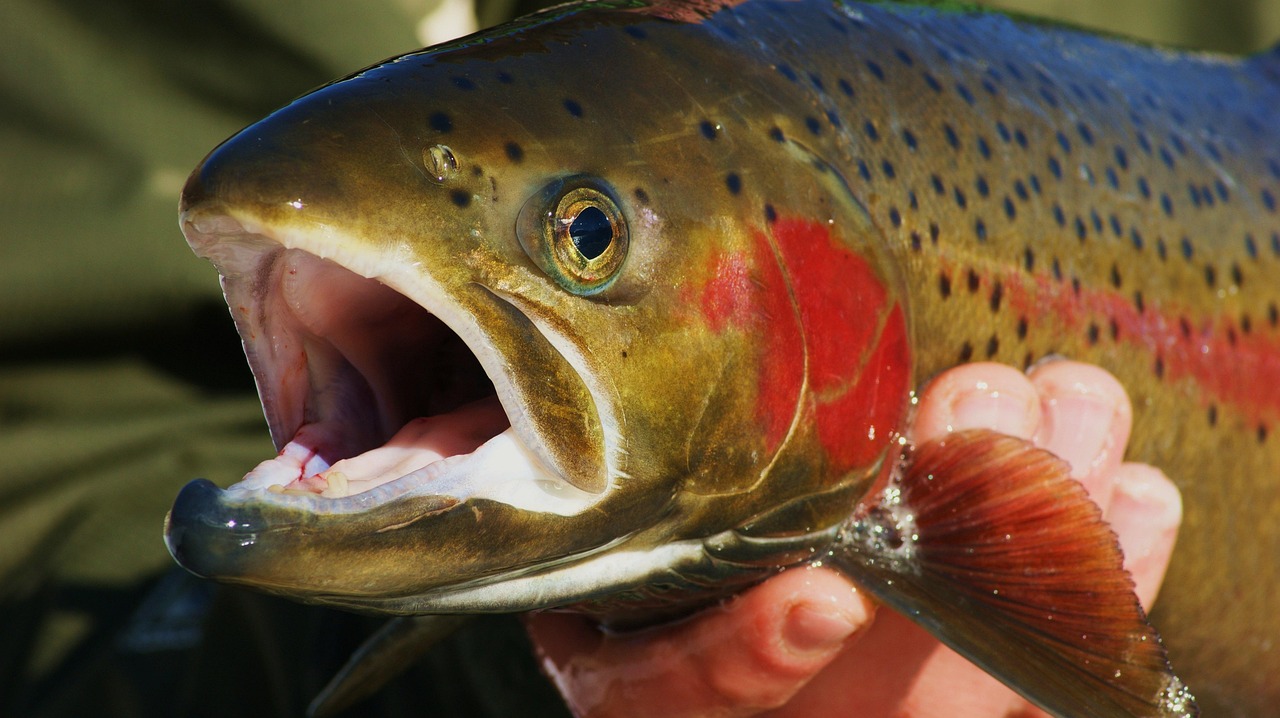
Watching rainbow trout take a dry fly off the surface is an activity that is addictive. Rainbows has sides that look like jewelry due to their bright colors, and they have a signature crimson stripe on their sides. When fishing for rainbow trout, a person will find themselves rewarded for their patience, their use of observation skills to detect what the trout are interested in, and for having well-honed fishing habit that separate them from losing their days chasing rainbow trout.
Rainbow trout does not forgive sloppy presentations of flies and does not forgive poorly chosen artificial flies. However, once a person knows a few principles of trout fishing, they will begin to see improvement in the number of rainbow trout they land on there line. The following sections contains the insights that matter the most to rainbow trout anglers who would like to master the art of catching rainbow trout.
These insights are far more useful to the fly fisher than the purchase of the most desirabel gear because these insights have the power to save many of a person’s fishless afternoons.
Essential Tips For Catching Rainbow Trout
1. Matching the Hatch
Matching the hatch is the single biggest difference between anglers who land rainbow trout and those who do not. Rainbow trout in most river ecosystems will only feed on insects that is abundant in that river.
If a person was to present a size 14 stonefly nymph to a trout while a hatch of blue-winged olives was taking place above the trout’s heads, the trout would likely ignore the presence of the fly caster. To combat this, a person should spend the first ten minutes on any given stretch of river to observe the life that lives within the water. By turning over a few rocks or observing what is living within that river, a person will have an idea of which kind of fly to use.
A rule of thumb suggest that the person selects a fly that is one size smaller in diameter and one shade duller in color selection than the bugs that are living and flying in the habitat. Rainbow trout can recognize hundreds of different species of insect that live in their preferred habitat, so the goal for the human is to mimic the look of one of these natural insects. Pay attention to detail when fishing for rainbow trout because these fish have a tendency to be both curious and suspicious of new life in their habitat.
Rainbow trout have excellent color vision to recognize the difference between a real mayfly and an imitation mayfly from several feet away. Rainbow trout will not eat artificial flies if the imitation of the natural food source is not accurate. By presenting an accurate imitation of the food that rainbow trout eat in their preferred habitats, the presentation of the fly begins to eliminate the reason that the rainbow trout will reject the fly that the angler is presenting to them.
2. Reading the Water
Reading the water correctly will save a person hours of casting into empty spots in the river. Rainbow trout show a preference for lies in the water that both protect the trout from high currents and that allow for easy access to the food that they eat. These lies can take many forms.
One lie in the water for trout to seek out may be the seam in the river where fast currents meets slow movements of the water. Other lies may be the tailouts of the pools within the riverbed or the undercut banks that have overhanging vegetation. In faster rivers, rainbow trout may seek out spots behind large rocks where the current of the river slows for the trout.
By learning where these lies are in the water, a person can improve their catch rate of rainbow trout dramatically.
3. Selecting the Correct Leader and Tippet
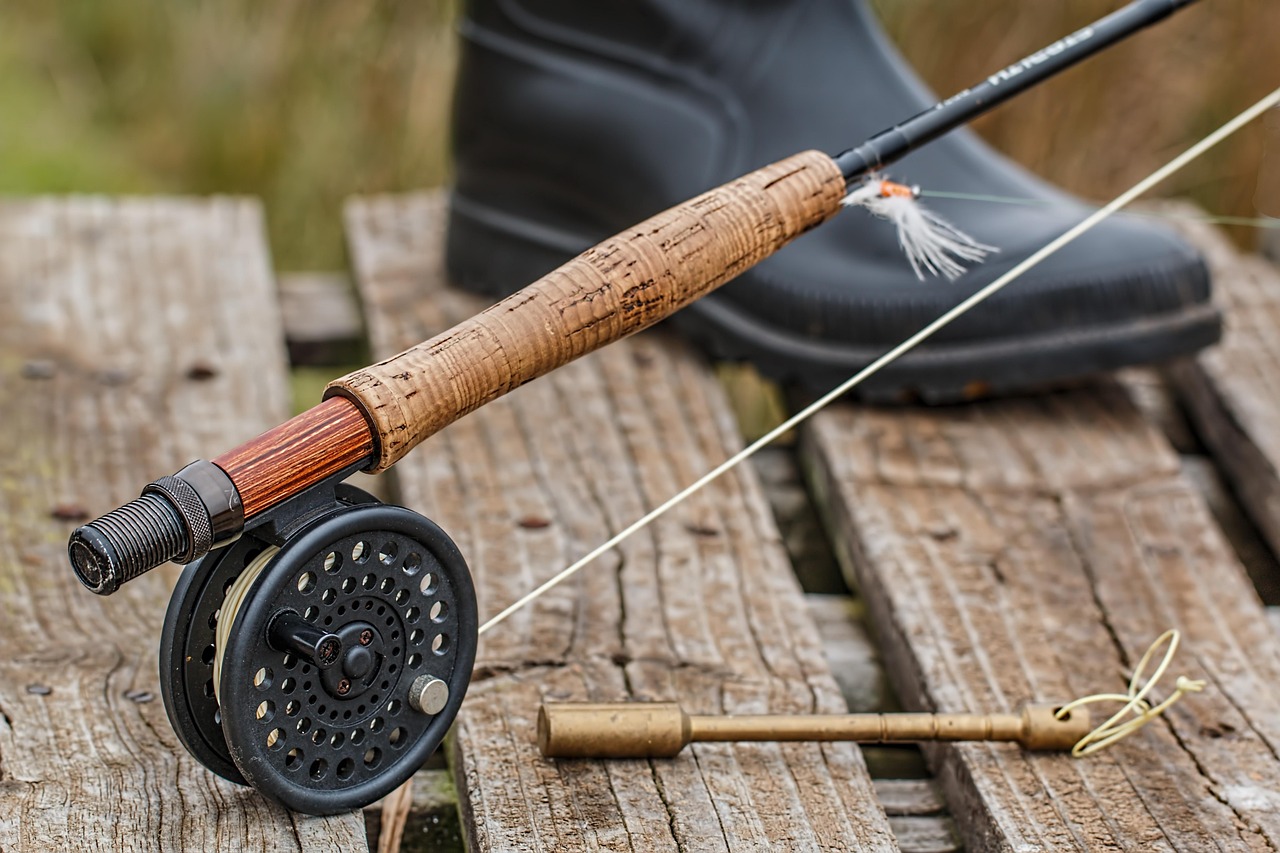
Choosing the correct leader and tippet will prevent a fish from being lost due to a broken fishing line. For most rainbow trout fishing in streams that are between ten and thirty feet in width, a nine-foot leader with a 5X or 6X tippet is the best choice for most situations.
When the water is clear and low in elevation, a person can drop to 6X or 7X to improve the chances of the trout not seeing the artificial fly. For deeper streams or when fishing with streamers, 4X is a good tippet size to select for rainbow trout. A fishing leader that is too stiff in its bendability will spook the fish due to the unnatural movement of the fly.
At the same time, a leader that is too flexible will break whenever the rainbow trout performs its take on the fly. Using a leader of the correct diameter is like setting the correct volume on a stereo system. If the music is too loud or too quiet, the other instrument will not be heard.
4. Fly Presentation and Mending
The same is true with rainbow trout fly fishing. Presentation of the fly is the most important in fishing for rainbow trout. Even if the fly is moving six inches per second in comparison to the rate at which the water is moving past that location in the stream, rainbow trout will not believe the fly is real.
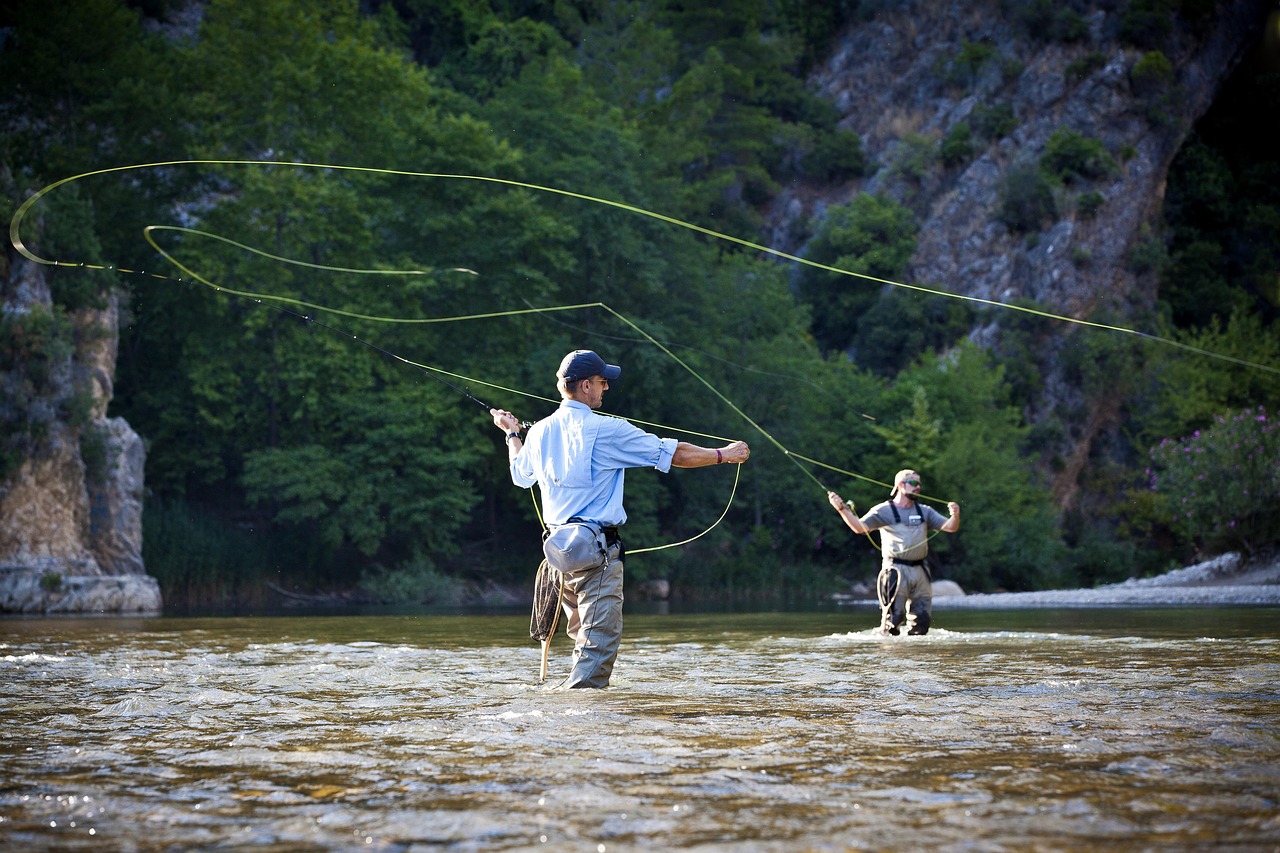
A person has to learn how to cast slightly upstream relative to where the fish are swimming, or alternatively to cast across the stream and upstream. After the cast, the angler must use the rod tip to take the slack line in the river, and the angler must mend the line on the upstream side of the fly being cast. This ensures that the line does not move the fly from the path that it should travel.
Mending may look effortless to the best fly fishers, but it is certainly not effortless. To master mending well, an angler must pay close attention to the different speeds of the river currents. Good menders know where the currents move the fastest so they can mend their line to accommodate for that current.
5. Striking at the Right Moment
Striking at the right moment will allow a person to land their catch instead of losing a fight with a rainbow trout. Rainbow trout usually take a dry fly with a gentle sip on the water’s surface. An inexperienced fisherman may yank the line the moment that they see the rainbow trout take the dry fly.
However, if a person sees the rainbow trout take the dry fly, they should not yank the line until after a half-second. This half-second allow for the trout to take the dry fly fully into its mouth. After a half-second, a person should lift the rod tip of their fishing rod to the side instead of up and vertically away from the water’s surface.
The reason for this movement is that it allows the hook to land on the corner of the rainbow trout’s jaw where the hook will hold best. A person may struggle with this half-second delay the first dozen times that they try to land a rainbow trout. However, once they have successfully hooked a rainbow trout with this method, they will never again question where or when to strike at the rainbow trout with their fly fishing rod.
6. Playing and Landing the Fish
Rainbow trout thank a person for the courtesy of leaving their mouth closed when they are being landed on a fishing line. To properly play a rainbow trout that has taken the fly, a person must respect the acrobatic talents of the rainbow trout species. Rainbow trout are famous for their ability to jump off the water and cartwheel on their sides to escape potential threats to their comfort and survival in the wild.
To play a rainbow trout properly after it has taken the dry fly, a person should drop the tip of the rod slightly to allow the fish to swim against the drag on the fishing reel. A person should maintain this pressure on the fish to keep it from fleeing, but the pressure should never be locked down with the rod. If the rainbow trout jumps off the water, the tip of the rod should be lowered.
Using a high rod to hold the line when the rainbow trout jumps will result in the rainbow trout’s hook being thrown out of its mouth. Rainbow trout runs is short in length, but they are very strong and powerful in their bursts of energy. When a person has successfully landed a rainbow trout on there shore, a person should remain calm, maintain pressure on the fish, and continue to fight the trout towards slower moving waters in the river where the trout can be safely netted.
7. Safe Netting and Release
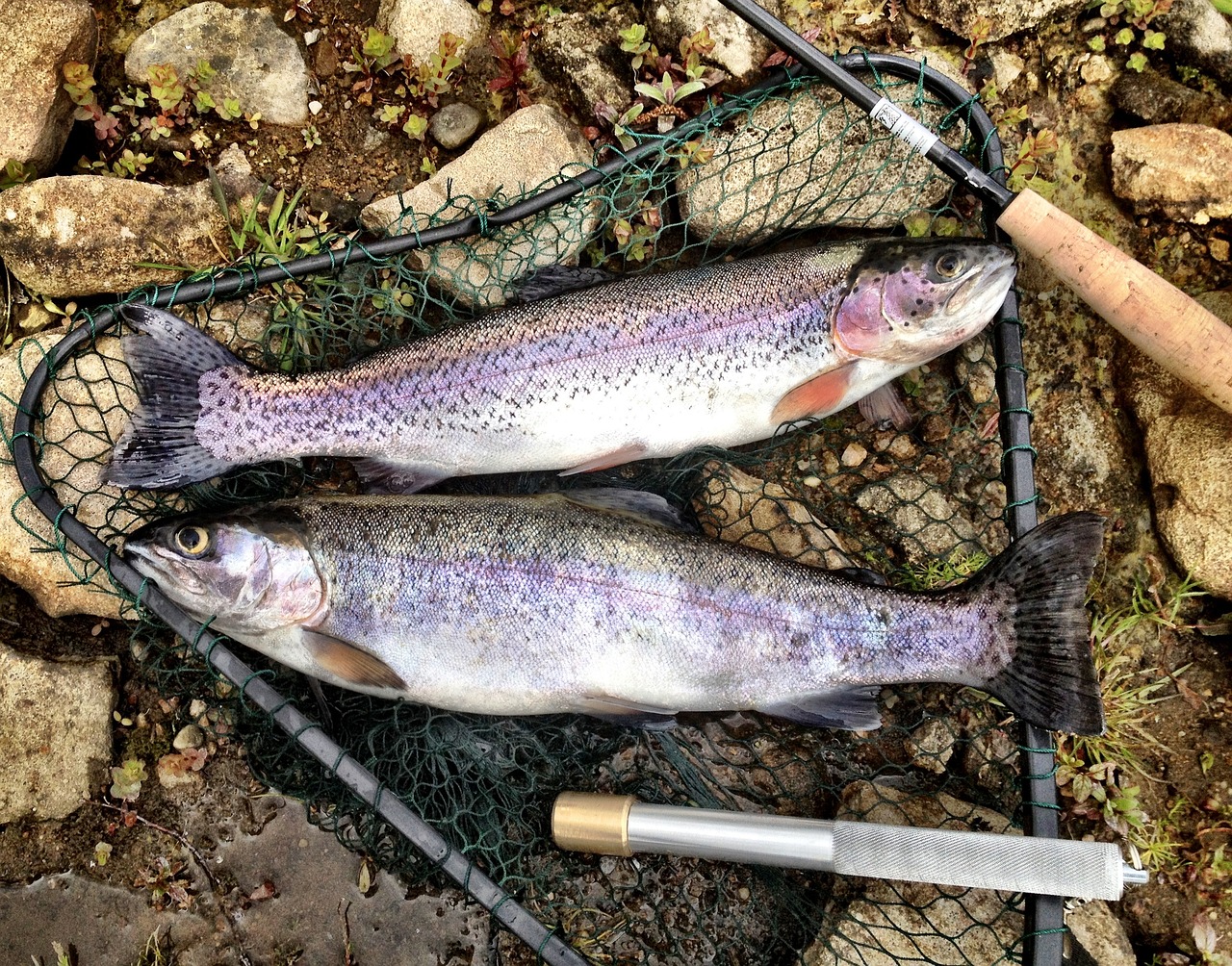
If a person rushes the catch of a rainbow trout, the bright flash of the trout will disappear into the river with the fly still in its mouth. Netting a rainbow trout the right way will protect the trout and the anglers ego. Using a net that has rubber mesh instead of knotted nylon will cause less damage to the trout’s protective slime coat.
If possible, place the rainbow trout head first into the net to extract the hook with forceps. A person should keep the rainbow trout in the water as much as possible while removing the hook from the mouth. After a person has netted the rainbow trout, a person can take a quick photograph, allow the rainbow trout to revive by facing the water upstream and observe as it swims away with a flick of its tail.
The ritual of landing a rainbow trout with a dry fly is important to preserving the life of the rainbow trout. A person should not stress a rainbow trout because stress can make a rainbow trout become sick and a victim of its predators in the wild. Additionally, there is a deep satisfaction in releasing a healthy rainbow trout that will rise to the dry fly that you present to them during the next fishing season.
8. Stealth and Wading Techniques
Stealth may be the most underrated skill among dry fly fishing enthusiasts when presenting themselves in a spot where rainbow trout live. Rainbow trout have lateral lines on their sides that detect every footfall that comes onto the banks and every splash that comes from an ill-placed cast by an angler. To move stealthily into the habitat of rainbow trout, a person should approach their habitat from the downstream side of the trout, wear colors that blend into the habitat and limits their false casts with the line of the fly fishing rod across the rainbow trout’s path.
Wading into the habitat of rainbow trout quietly is a skill in and of itself. A person can approach the rainbow trout habitat with the same ease and grace of a heron wading into shallow waters. When a person masters the art of wading into the habitat of a rainbow trout without being seen by the fish, a person will be the first to see rainbow trout before they see the person approaching their habitat.
Seeing rainbow trout before they see you is when the game of dry fly fishing officially begins. A person should pay attention to the changes that occur in the seasons and adapt their tactics for rainbow trout accordingly. During the spring season into early summer, rainbow trout are the most hungry of all the seasons after spending the winter in their habitat.
9. Adapting to Seasonal Feeding Habits
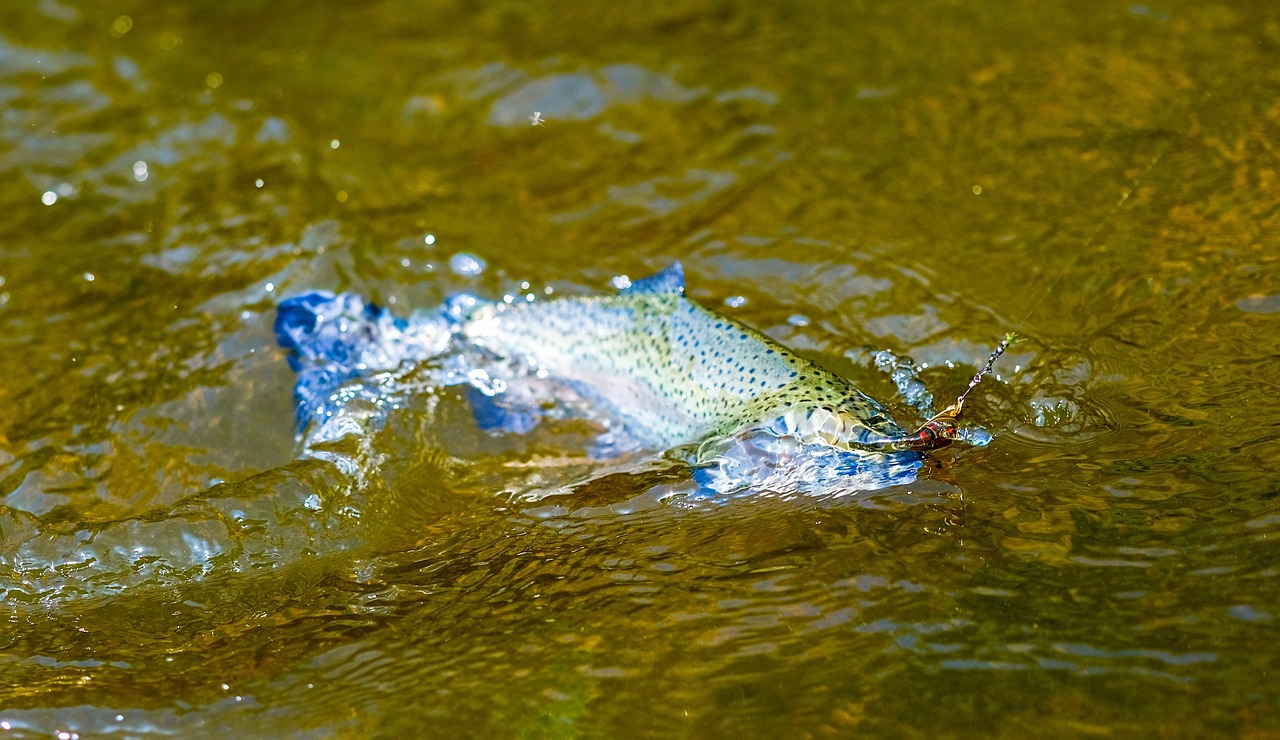
During these seasons, rainbow trout will chase streamers and larger nymphs. As the season advances into midsummer, rainbow trout become more selective in the food that they eat. During these months rainbow trout will focus on tiny emergers and terrestrial insects.
During autumn when rainbow trout know that the winter is near, they become aggressive in their chasing of food. During autumn season rainbow trout will chase attractor patterns and woolly bugs. By knowing these seasons and rainbow trout habits, a person will not waste their efforts using the same tactics year after year when the rainbow trout have moved on to feeding on new food sources.
Each of the seasons brings its own rewards to those who are willing to adapt their techniques for rainbow trout to best match their habits of feeding on specific food during specific time periods. The rainbow trout do not change their feeding habits for the human angler, but the habits of the person must change to suit the habits of the rainbow trout. You will never find a river that will provide you with rainbow trout on demand, but the rivers are remarkably generous to those who show up ready with the necessary habits and skills.
Master each habit one at a time until you can land rainbow trout without struggling a single season. On such a day the light will fall on the water correctly and a rainbow trout will rise to the dry fly. This is the reason people continue to come back to the river with a fly fishing rod in their hand.
People continue to come back to the rivers to fish for rainbow trout, and people will continue to come back for whatever the river decides to teach them their next season.