
The water is clear. There are white sand beaches. It is a barrier island named Sanibel Island.
Why? To relax, take in some shells, soak up some rays on Bowman Beach, and spend the night at one of those resorts with palm trees for chairs and breakfast in bed. It is perfect for a trip.
It is not a good fishing spot for people who see it as a museum instead of a place where people work. If you know how the island operates, however, you’ll find there are plenty of serious fish just off the beach. Sand bars, old jetties and structure below the surface keeps baitfish tight to the shoreline, and daily tides and wind direct the current flow.
Get this stuff right and you’re tossing lures to nothing while guys like us cull redfish out of your wake. Do it wrong and a relaxing afternoon turns into a great catch. Preparation matters Whether it’s a full cooler or an empty blank reel, much of it boils down to preparation.
Not luck. Reading the environment before tying onto your lure makes all the differance. Let’s take a look at the key adjustments anglers must make when surf fishing Sanibel.
From tackle choice to time of year, these tips will put you in contention against locals that has spent decades chucking lures into these same waves. You can’t stress enough about matching your time with the tides. Baitfish is drawn up onto the shoreline on an incoming tide and then pushed back out on an outgoing tide by the flow of water.
Top Tips For Successful Surf Fishing
1. Time Your Fishing With the Tides
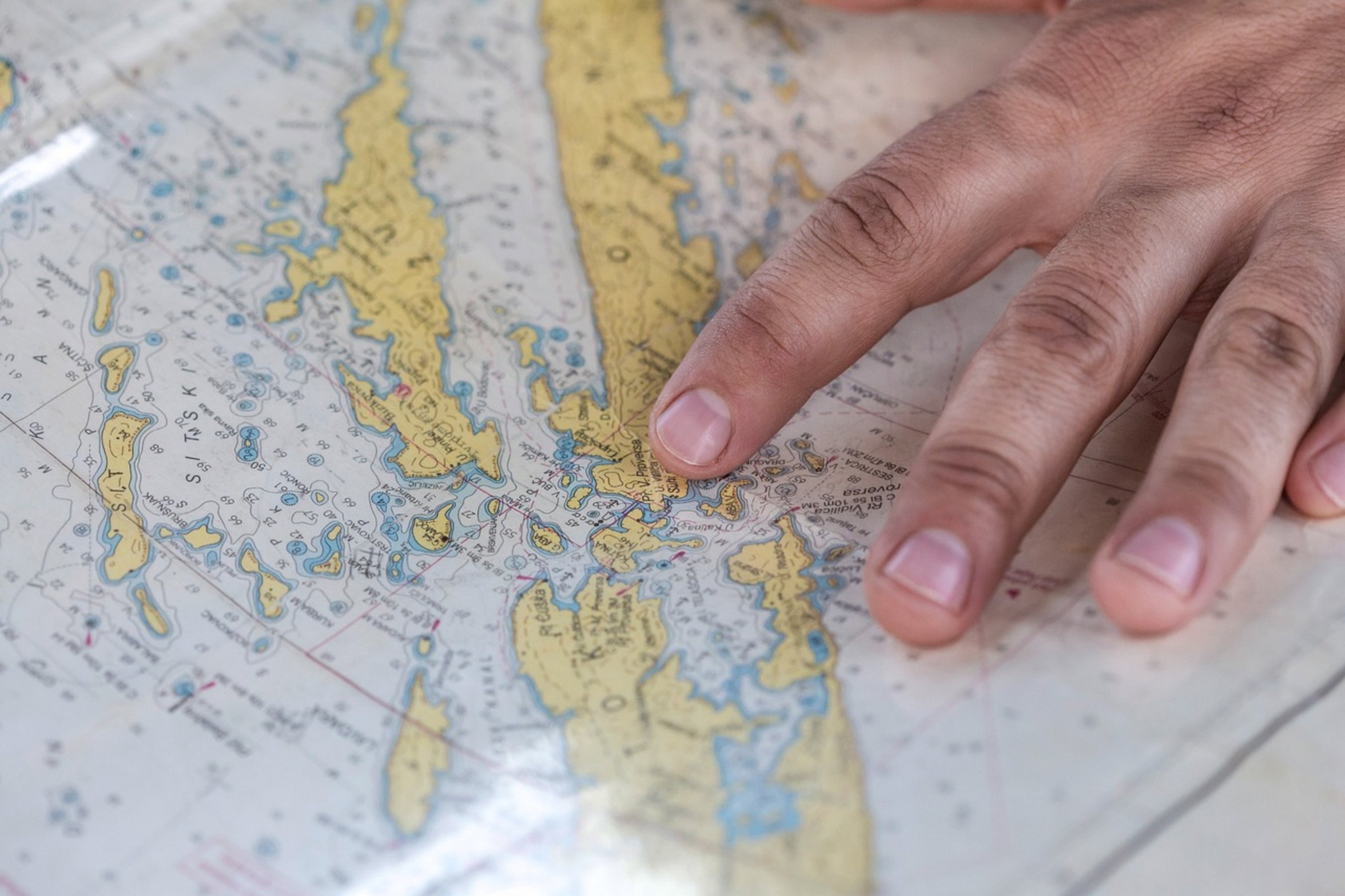
Because fish eat what swims by their nose, they’ll do their best biting when the water is rising (or immediately after) the highest part of the tide. If you show up when the tide is low, you’ll have to wait several hours for something to happen. That’s wasted energy and prime light looking at flat water.
Check the tide chart on most any weather app; the hourly chart will help you plan when to hit the water. Try to get there roughly two hours before high tide. Incoming surge brings food and nutrients into the shallower tidal channels.
Predators lie in wait where the incoming surge flushes nutrients and bait into the shallow channels. It is a simple formula, but it makes the difference between a good day and an empty boat ride.
2. Match Species to Seasonal Movement
The key is knowing what species are in the water at any given time of year.
Depending on the season, there’s different fish on Sanibel Island. In the summer, tarpon, snook and sea trout head into the warmer water. In the winter, flounder, black drum and sheepshead moves closer to the shore for protection from colder current.
If you’re casting a topwater plug in December, you’ll likely get zero bites, those aggressive predatory species aren’t around (or they’re out deeper off-shore). The bottom feeders will still be in the area in the wintertime; so use a cut bait or live shrimp then. Whatever species you see in the water, match it with your choice of lures.
3. Select the Right Rod Action
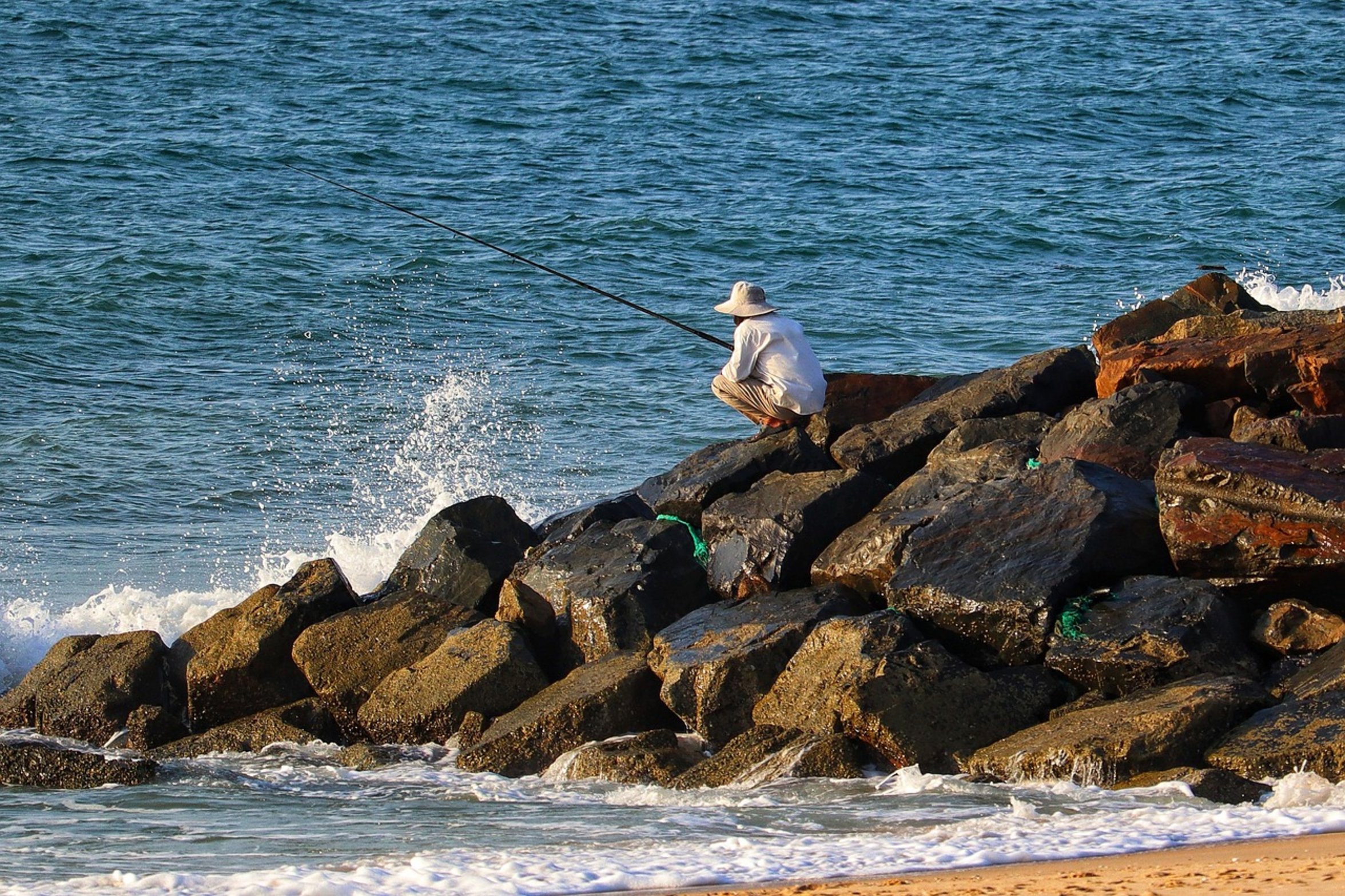
Adjusting your tackle based on seasonal movement makes all the differance. Forget about brand names: Selecting an appropriate rod action is even more important than brand. Sensitivity and casting distance are critical elements of surf fishing.
Most scenarios calls for a medium-heavy power rating paired with a fast to moderate-fast tip. It provides enough strength to land fish in rough surf but remains flexible enough to cast lures directly into strong wind gusts. Light rods bend too much, and heavy rods lack the finesse needed for tentative bites.
When testing out your sticks, try giving them a slight tug; notice the flex. Ideally, you want a rod that bends and immediately recovers. That’s what you need to pick off those subtle bites amidst all the wave crashes.
4. Position Based on Wind Direction
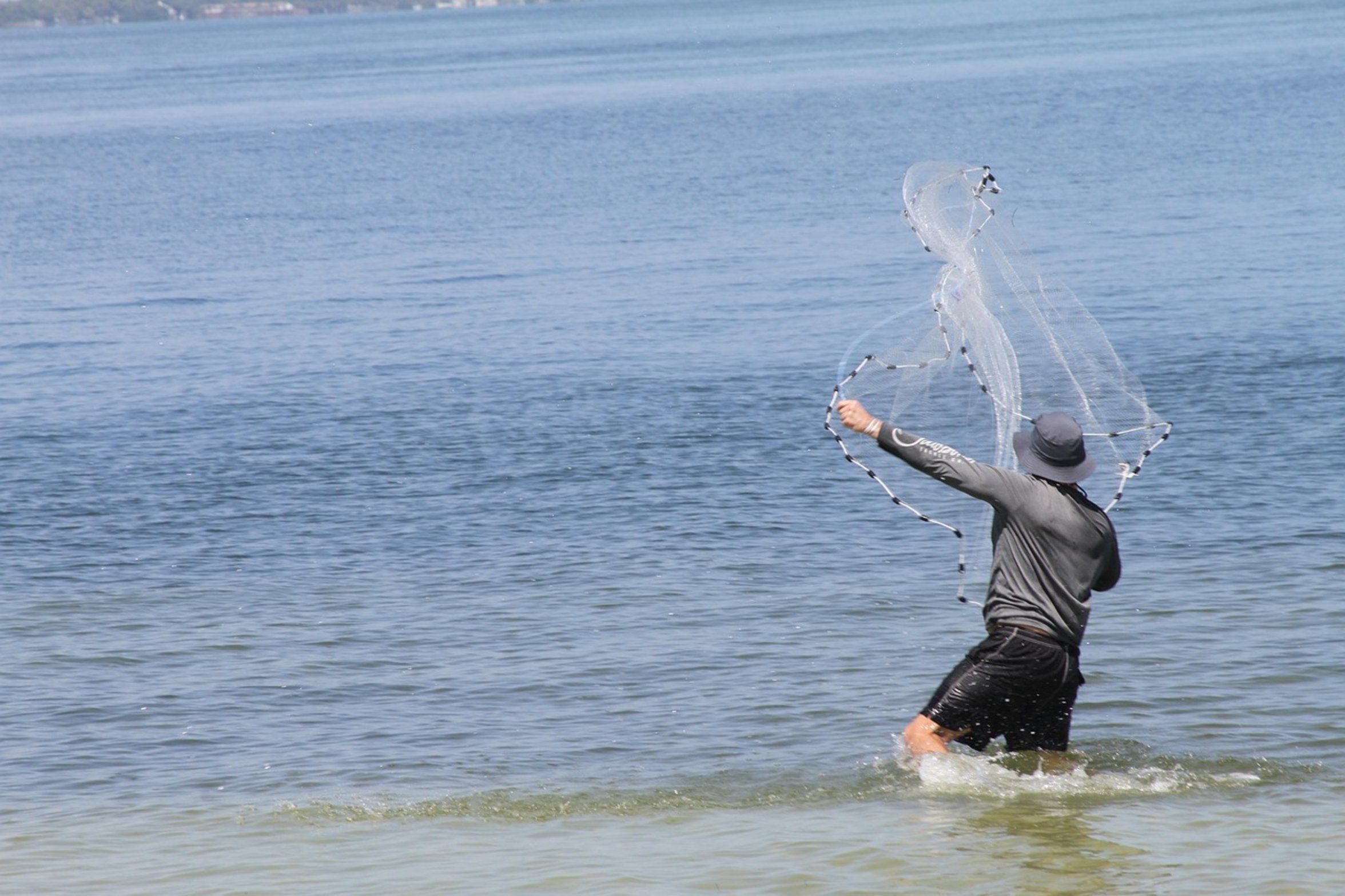
Decide where to set up by knowing the wind direction. Wind funnels all that good stuff like baitfish, food and other debris along the shoreline. To avoid the current without getting too far from the food, fish will hang out on the sheltered side of any structure.
When it’s blowing from the north, for example, they’ll be in the pockets formed by seaweed beds that are farther south. You can’t cast well into the teeth of the wind and you’ll wear yourself out fast. Get downwind of them or turn around so your back is to the wind and go directly to those sweet spots.
Look at where other anglers is positioning and instantly have some intel as to where the hotspots might be. Why do you think they congregate? Natural bait dominates when conditions are murky or fish are lethargic.
5. Choose Natural vs Artificial Bait
In Sanibel, you can get natural bait like fresh shrimp, cut mullet, and sand fleas from nearby markets or directly off the beach. The live bait wiggles just right and also leaves an odor trail for curious fish to follow. When the water is clean or the fish are aggressively feeding, the artificial shines through.
However, when fish are pressured or the water is dirty, natural is king. Having a bucket full of live shrimp in the ice means you will always have something going on. You’ll be ready any day the mood changes in the water.
Less guessing, more bites.
6. Check Cloud Cover and Visibility
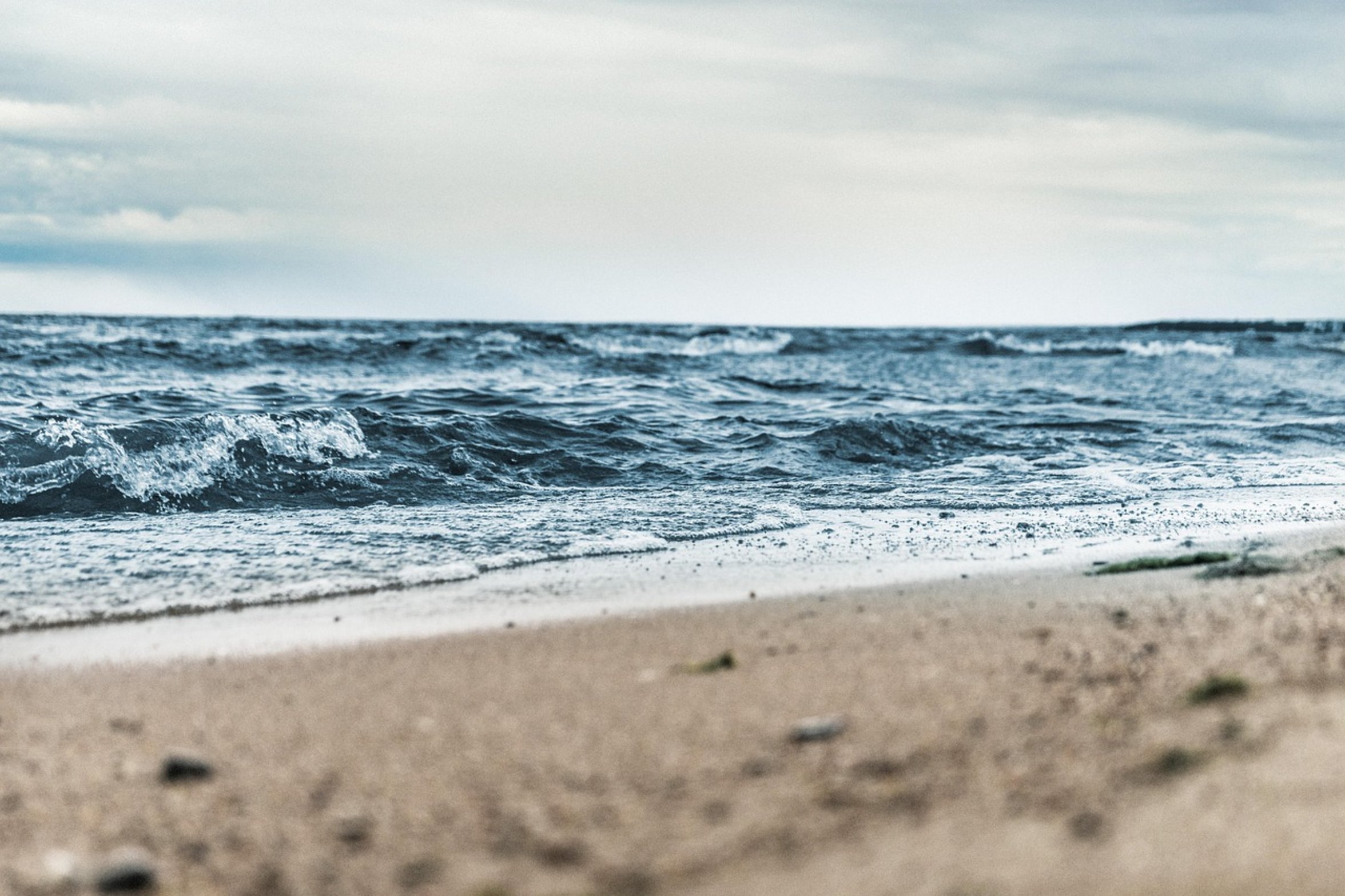
Cloud cover, You’d be surprised how much reading cloud cover affects underwater visibility. Clear Florida waters allow for sunlight penetration which puts wary fish on guard.
Dimmer conditions under overcast skies cause predators to feel more secure chasing food closer to the surface. Aggressive feeding frenzies can occur with heavy clouds that give the prey more contrast against the darker backdrop. Checking the sky beforehand is good practice to decide if you’ll throw stealthy profiles or bright lures.
Both the fish and the angler has something to hide behind so make sure to change tactics when the shadows vanish beneath you.
7. Practice Patience and Observation
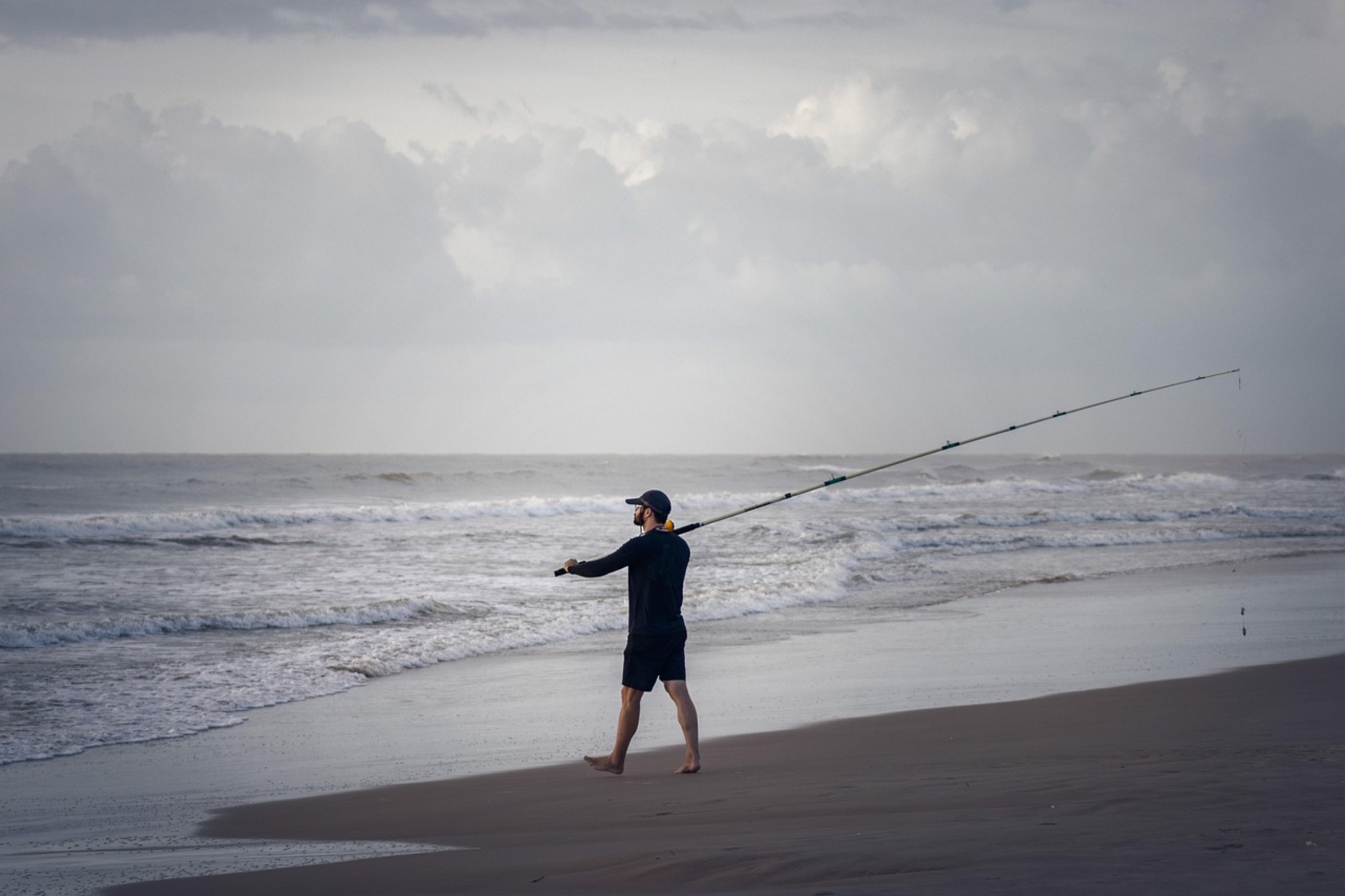
Wait. And wait some more, because the patience will pay dividends.
It’s feast-or-famine in surf fishing; hours and hours of no action followed by brief moments of intense activity. The fish don’t conform to our timetable. They flow with the tides, temperatures and their own instincts, not our convenience.
When you sit back, you start to see patterns that tell you where to expect them to be positioned. And when those waves suddenly increase in height or color, that tells you the bait is moving around. Then you make a few changes to your cast based on what you’re seeing, and bingo, you get a strike.
Observing isn’t doing nothing. In fact, it’s quite an active process.
8. Gear Up for Comfort and Safety
Comfort is a major factor when fishing for hours at a time.
Having the right gear will protect your equipment as well as you. You don’t want sand all through your opened tackle boxes. This is especially true if you like to fish near jetties, as they are wet and can get slippery if you wear the wrong shoes.
Electronics should be stored in waterproof bags that will protect them from rain, spray, and falling into the water. Sunglasses will help cut down on eye strain and also help you detect targets easier from under the surface. A good pair of shoes will keep you off the ground while on slippery rocks/shells around the jetty area.
Knowing you have everything ready makes it less stressful so you can concentrate on your cast without worrying about what might hurt after. Little things matter when you’re in knee-deep water for six hours
9. Know Local Fishing Laws
Knowing the law saves you big bucks if you get caught breaking it after catching a fish. Snook, redfish and other popular species has specific bag limits and size restrictions in Florida.
Fines are bigger than any prize money won from selling photos online. Have a measuring tape on hand everywhere you go so you can confirm whether your catch is legal or not prior to unhooking it. Always keep current and expired licenses apart so when the conservation officer randomly stops you while on the water, you know which one to show him/her.
Following the laws demonstrates respect for the time and effort that goes into managing the resources with an eye toward maintaining healthy fisheries for years to come. Being a responsible angler means there will be plenty of water for your grandchildren to enjoy, just as there was for you when you were young.
Sanibel Surf Fishing is part science and part art; you can’t learn everything you need to know about it in a day or even a year.
You have to learn by trial and error and observe what you see on your own. The best way to do this is by combining several strategies into a cohesive approach. Because the sea changes every day without any notice, the most important thing for a surfer to be is adaptable.
If you are open-minded enough to change and learn, there is always more at the next crest.