
People visit Hilton Head Island for beaches and the breeze. They want warm, clear water safe for swimming all day long. Unfortunatly, sharks is a part of the local ecosystem as well.
They live here, they migrate, and they hunt; none of it care about your vacation plans. Knowing which shark are swimming around changes an experience from being fearful to being appreciative of marine life. There’s no need to fear that every shark will always be around you.
Although a few species near Hilton Head could rarely pose a threat to people, most sharks found off the South Carolina coast is either too small or too timid to be concern. If you know where to find them and how to recognize them, spotting a shark off the coast can be an exciting experience. Also famous predators in these waters, there’s one called the bull shark.
Shark Species Commonly Found Off Hilton Head Island Coast
1. Bull Sharks
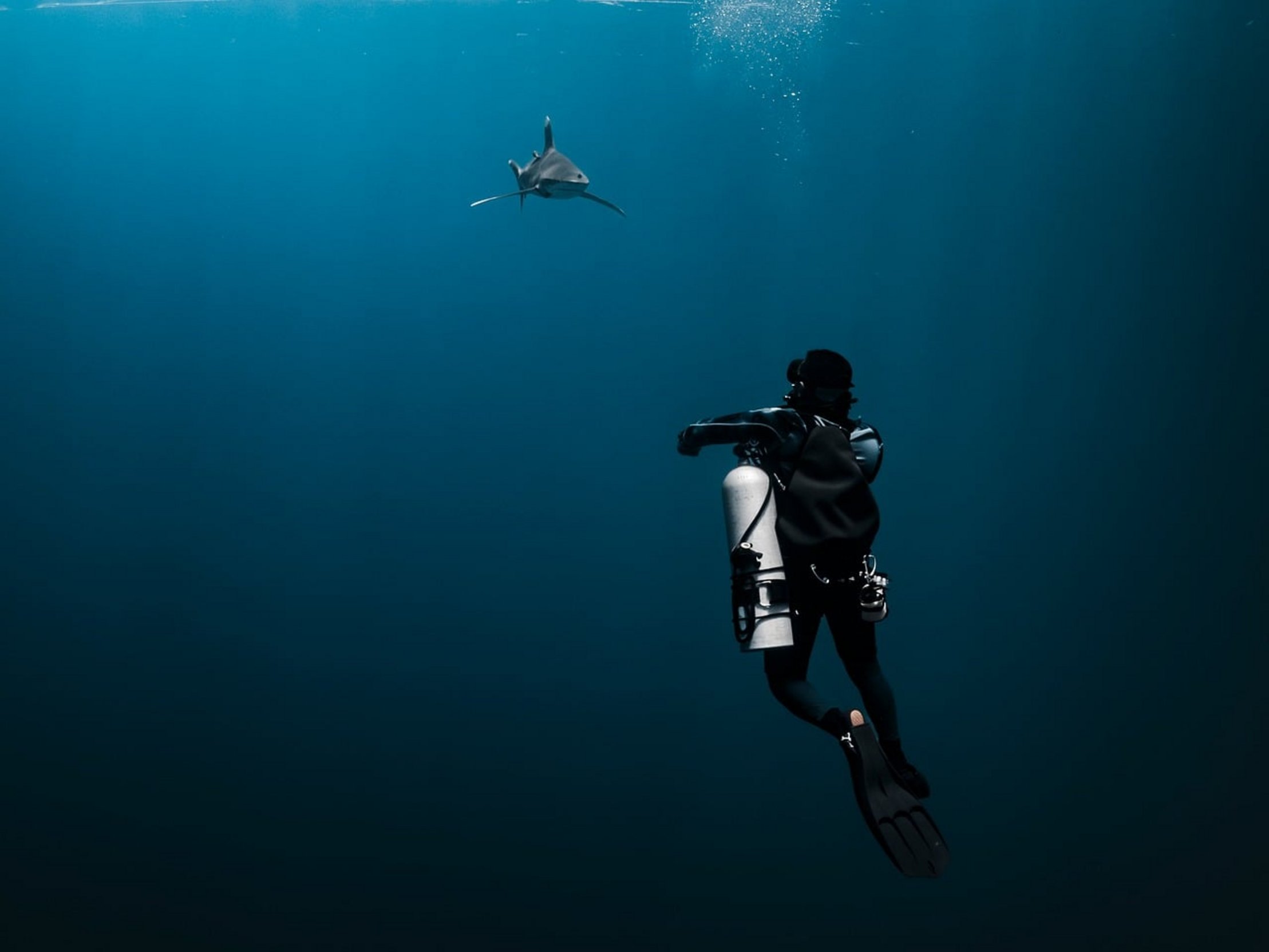
A tough, persistent animal, it can inhabits both fresh- and saltwaters, but prefers lower salinity levels and is commonly found around estuary mouths and rivers. Because of their dark grey coloring and stout body shape, they stands out on sandy bottoms. Bull sharks are also curious animals and will occasionally come over to check things (or you) out, not necessarily for food but just out of curiosity.
That is what makes them such a high-priority target for awareness and why it is important to always be mindful of your surroundings if you’re going into shallow, dirty water with limited visibility or around the mouth of a river.
2. Hammerhead Sharks
The name says it all, hammerhead sharks get their names because of the unusual shape of their heads. Their flat heads are wide, with eyes positioned at the ends of the shape.
This gives them really good depth perception and binocular vision. That’s also an adaptation to help sense the electric field produced by buried stingrays, allowing them to find and catch them from above in sandy bottom. These are normally not aggressive towards people but they is always impressive to observe.
Great hammerheads is the largest. You will rarely encounter them as much as smaller bonnethead species, which visit Hilton Head quite often. A school of hammerhead cruising through the water together are a sight to see and beautifully display the coordination underwater creatures possesses.
3. Tiger Sharks
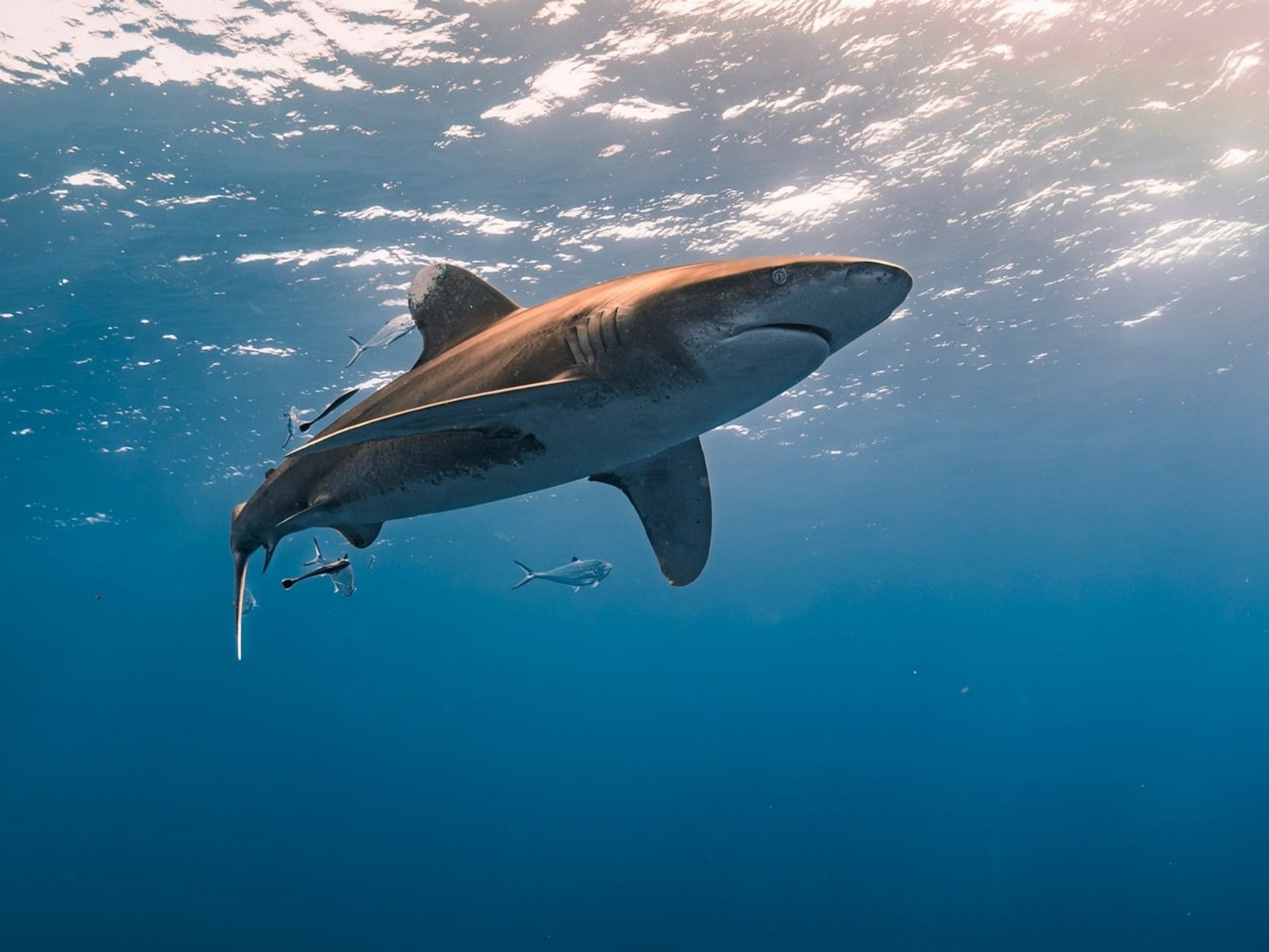
Known for their large size, tiger sharks has a unique feature: vertical dark stripes on their sides. As they age and grow larger, however, these stripes begin to dissapear. Tiger sharks is also known scavengers and will feed on just about anything…
Including fish, sea turtles, even tires, license plates, and other garbage. Their mouths is very wide and expose rows of serrated teeth that are perfect for ripping flesh apart. In general, they remains in deep water unless they are more active at night, when they’ll head toward the shore.
Swimming close to shore at dawn and dusk isn’t advisable since this is prime feeding time for these predators along the coast.
4. Blacktip Sharks
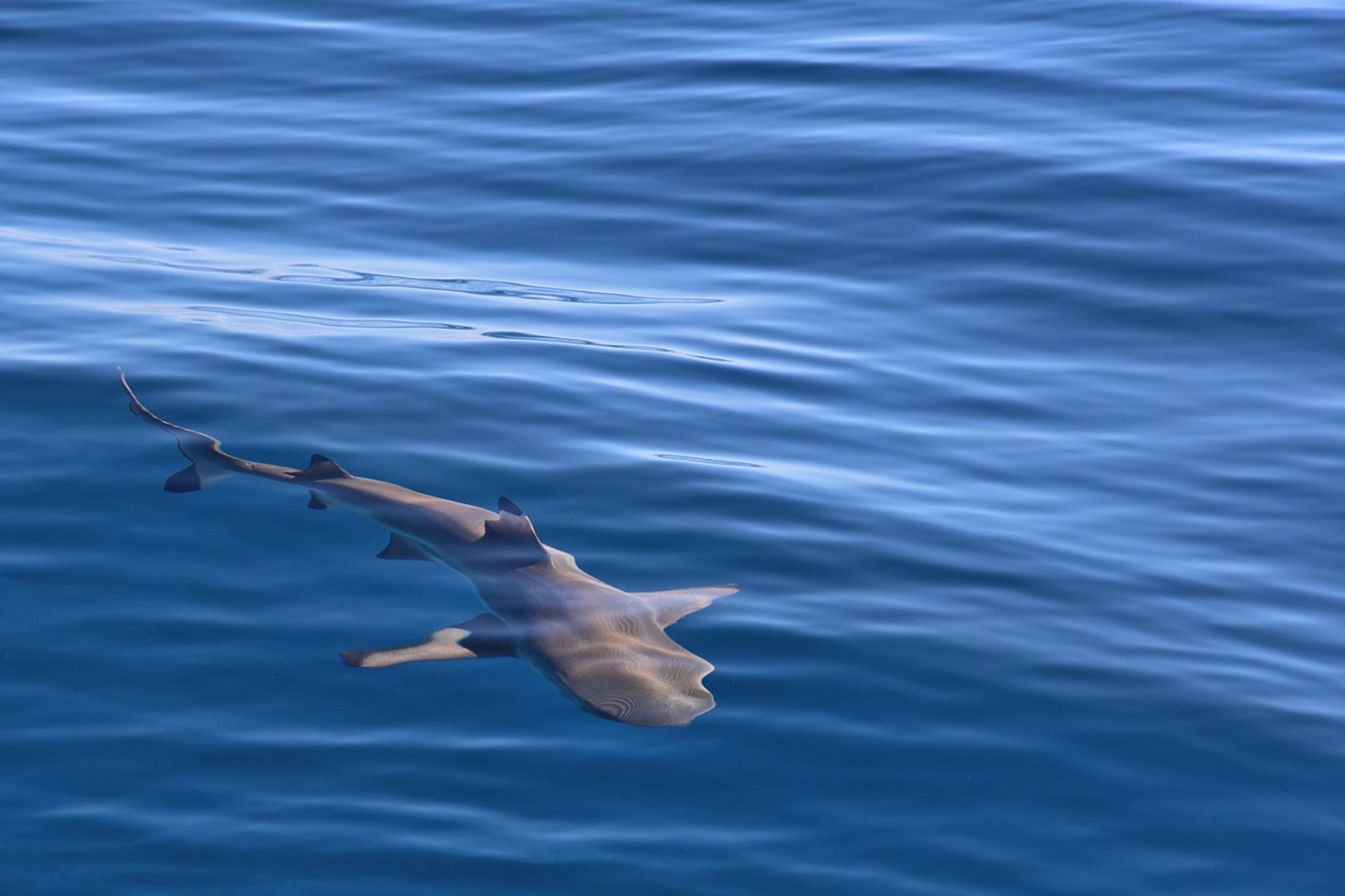
You’ll see Blacktip Sharks, as they’re commonly found in shallow bays and closer to the surf zones surrounding Hilton Head. These sharks gets their name from the black tip found at the ends of their dorsal and tail fins that contrasts dramatically against their otherwise gray bodies.
They tend to jump out of the water acrobatically when feeding on baitfish and will sometimes even leap completely above the surface. These sharks also typically stays away from people and prefer shallower warmer waters different than their deeper living cousins. If you’re paddle boarding or snorkeling in calm water, you may run into one of these guys.
If you sit still and don’t threaten them, you’ll find them quite entertaining to observe due to their playful nature.
5. Spiny Dogfish
These slender-bodied little guys are actualy a shark species, the spiny dogfish. Though lacking a pelvic fin ridge and shaped like eels, they also feature sharp spines at the base of their dorsal fins (which makes sense since their name includes “spine”).
Though small, these sharks is quite common in big groups along the bottom of the ocean. They are found there most of the time, which is usually out of recreational swimming range. Their presence helps keep crab and other smaller creatures in check on the continental shelf.
6. Reef Sharks
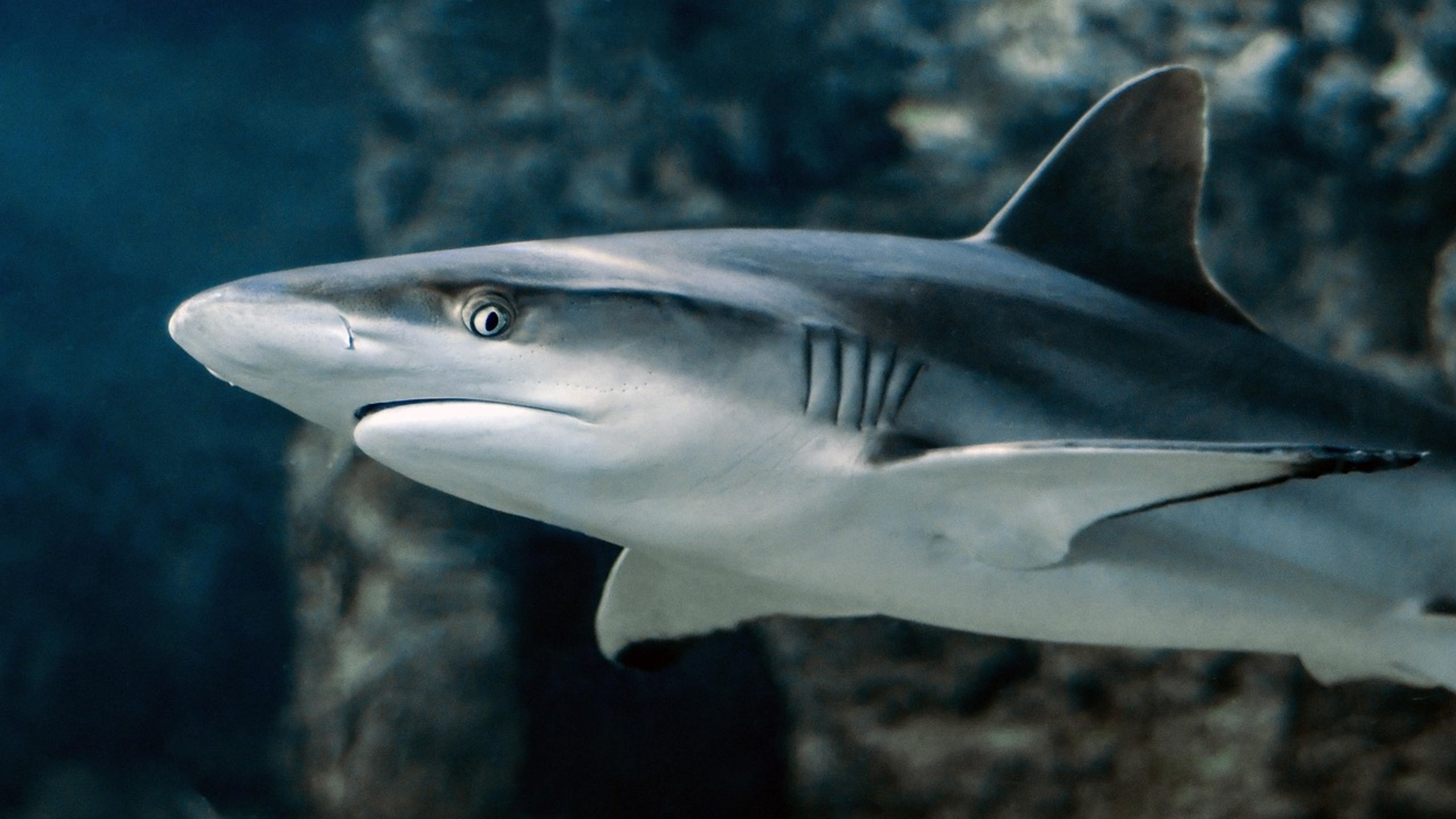
A few species of reef sharks is more likely to occasionally swim inshore, especially where there are schools of baitfish such as menhaden or mullet. Reef sharks tend to be sleek and fast-moving animals that use their long bodies for speed not power. Typically opportunistic hunters, reef sharks takes advantage of the chance when fish from schools break the surface or cruise along beneath the boat’s hull.
Though most reef sharks won’t come too close to divers without good reason, they move fast so can surprise uninitiated divers who aren’t used to sharing the ocean with sharks. The best way to keep everyone safe is to keep your distance.
7. Great White Sharks
While sightings of great whites are uncommon (as opposed to hammerheads or bulls), they do happen on occasion just off the coast of South Carolina.
They follow their prey, namely marine mammals such as seals, up the east coast during the warmer summer months. Great white sharks is apex predators of the sea that command a lot of respect from any marine creature in the vicinity. Most encounters take place farther out to sea beyond one-hundred foot depth zones.
Swimmers who stays within marked swimming areas that is supervised by lifeguards greatly minimize any chance for an encounter with any of these larger pelagic species.
8. Sand Tiger Sharks
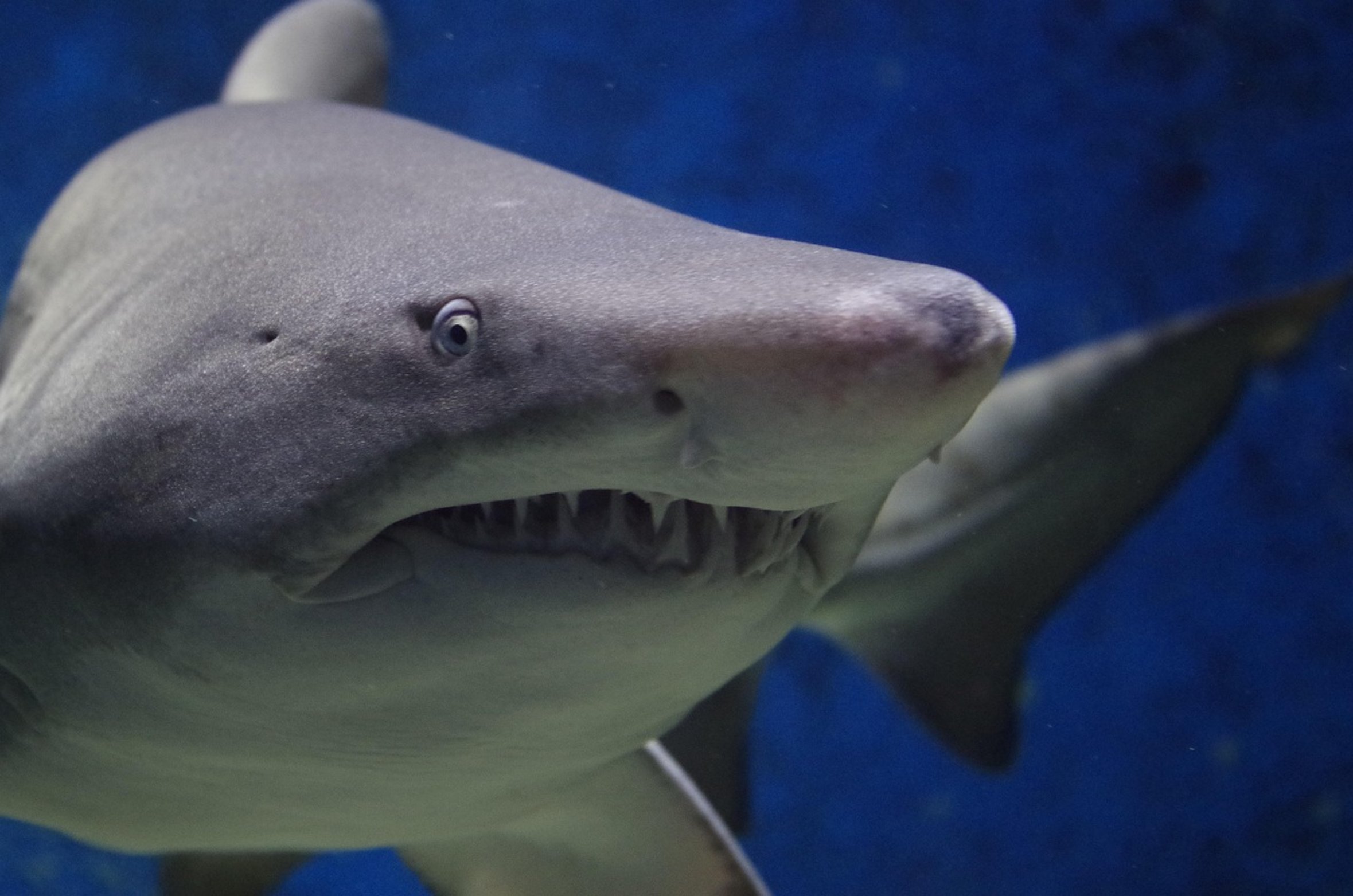
Sand tiger sharks is another frequent visitor along Hilton Head’s coast, particularly in winter, when they congregate en masse. With jagged rows of exposed, sharp teeth, they look vicious, even with their mouths shut.
Another odd habit: these sharks will frequently come to the surface to gulp air into their swim bladders (to help them stay buoyant at depth). It’s an interesting sight and one snorkelers and divers appreciate getting up close to witness in person. They prefer sandy bottoms where they can ambush bottom-dwelling prey effectively.
Now that we know more about these different shark species, we view the Hilton Head Island waters in a new light. It’s no longer fear, but curiosity. You learn about their habits and their habitats.
Most interactions is quick and harmless. You get a story instead of a scar. Keep your distance from sharks, especially at dusk and dawn, don’t flash any jewelry, and always swim close to the lifeguard stand.
These are wild animals and if you respect them, chances are they’ll leave you alone too. The ocean is still full of wonder, not just caution.