
The waters off the coast of North Carolina contain a wide variety of sharks. These species lives in the shallow sounds and shallow beaches of North Carolina, as well as the deep blue waters of the Gulf Stream. Because of the different locations where these sharks live, these waters serve as a highway for sharks, a nursery for sharks, and a hunting ground for sharks.
These waters are where many shark species that most people never see up close live. By learning of the various shark species that live in these waters, people of any interest in the ocean will find their view of the ocean to change. North Carolina’s location in the southeastern region of the United States is a geographic sweet spot in that the warm waters from the south meet the cooler waters from the north.
These different water temperatures attract a variety of marine creatures that live in the area, from invertebrates that live on the ocean floor to the giant predators that live in the open ocean. Some shark species live in the area all year, while other species are only visible during the warmer months of the year. By learning of these different species, people can gain an appreciation for the sharks that live in these waters.
The list of shark species that live in North Carolina waters ranges from the most common species to the species that even the most seasoned of anglers tend to encounter less often. The first of the shark species to encounter when cruising the North Carolina coastline is the Atlantic sharpnose shark. These shark species are the most common and the most often encountered in the area.
Atlantic sharpnose sharks are small sharks, with the maximum size of these sharks being four feet in length. These sharks live within the inshore waters of North Carolina, ranging from the bays to the coastal areas from spring to fall. Their bronze gray bodies and white fins makes these sharks easy to spot as they flash by the oceans surface.
These sharks have a diet of small fish, crabs, and squid, which is the reason for there presence in the same areas as the anglers who use the area to target these foods. Atlantic sharpnose sharks are not typically aggressive towards humans. However, because of their abundance in the area, those who go fishing in these areas will encounter these species.
These sharks are the perfect species for those beginners to learn about because of their unique feeding behaviors that are shared with other, more numerous shark species. Furthermore, these sharks are the species that lay their pups during the late summer in the sounds and river mouths of North Carolina. Spotting a pup that is two feet in length with an umbilical scar is a reminder of this aspect of the areas ecosystems.
Common Shark Species Found In North Carolina
1. Blacktip Shark
The next species of shark to encounter in these waters are the blacktip sharks. These sharks are known for their distinctive black tips on their dorsal and pectoral fins, as well as for their tendency to leap completely out of the water when chasing their prey. Blacktip sharks rarely grow to be larger than six feet in length, but when observed they often appear to be much more larger due to their powerful body structure and movements.
Blacktip sharks like to follow the movements of mullet that live along the North Carolina beaches each autumn. These predators are usually only spotted between the time of late April and October, as blacktip sharks prefer water temperatures of at least 75 degrees. Blacktip sharks tend to hunt in groups of various sizes.
When anglers hook one of these predators, the fight between the two tends to have a variety of jumps from the shark. These species are also responsible for many of the “small nips” that occur near fishing piers. These sharks typically view a human foot that is dangling into the water as prey.
Such bites are usually only “warning” bites by these sharks. Thus, blacktip sharks tend to be the most common species of shark that bites humans, despite their relatively small size. However, if people respect the speed of these predators and avoid putting their hands into the water while cleaning fish, they will be fine in there encounters with blacktip sharks.
2. Sandbar Shark
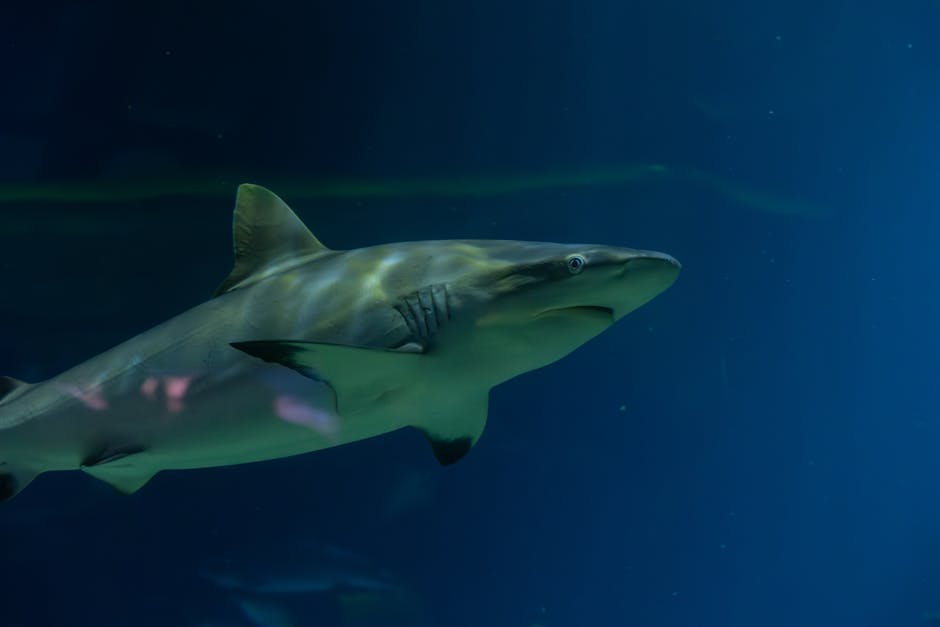
The sandbar shark is also known as the brown shark. These predators have stout bodies and can grow to reach eight feet in length and weigh over two hundred pounds. Its extremely high first dorsal fin allow these species to be spotted even from a distance.
These species prefer the same muddy ocean floor areas where red drum and flounder live. Unlike the blacktip shark, the sandbar shark is not known for jumping out of the water. Instead, sandbar sharks fight well with powerful and circling runs when anglers hook them.
These female sharks use the estuaries of North Carolina as nurseries for their young. The females have been known to give birth to six to twelve pups during the late spring. Due to this behavior, the shallow areas of the Outer Banks are an important habitat for these species.
Due to the large sizes of these predators, commercial fishermen targeted them as a species for their large fins. However, due to regulations that limit the catching of sandbar sharks, their numbers in the area have remained stable. If individuals do catch these predators, their wide heads and their ability to shrug off the hook while being hooked indicates the raw strength of this species.
3. Tiger Shark
Few species of shark inspire the same level of respect as that of the tiger shark. These species have a heavy body, a blunt snout, and vertical dark bars that fade with age. These predators can grow to be over fifteen feet in length and weigh over a thousand pounds.
Their eating habits are among the most indiscriminate of all of the shark species. Sea turtles, license plates, and other smaller species of shark have been found within the stomachs of tiger sharks. These species follow the Gulf Stream further into the shore during the hottest months of the year.
However, most encounters occur beyond the twenty fathom line. However, the size of their teeth, which resemble serrated steak knives, is the reason that big tiger sharks are hooked on the fishing piers during storms. Despite their impressive and powerful nature, unprovoked attacks by tiger sharks on humans are rare.
Most interactions between tiger sharks and humans occur between spearfishermen, or those that are holding fish in the water for some purpose.
4. Hammerhead Shark
The hammerhead family of sharks gathers in large numbers along the North Carolina beaches. The great hammerhead and the scalloped hammerhead are the two species of hammerheads that are most commonly seen.
Great hammerheads can reach lengths of over twelve feet and have a T- shaped head whose eyes are located at the tips of the head. These species use their large heads to pin stingrays to the ocean floor so that they can eat them. Scalloped hammerheads gather in large schools, with dozens of these predators being seen within the same schools.
These predators are smaller than great hammerheads, with scalloped hammerheads reaching at most eight feet in length. Furthermore, their front edges are scalloped rather than smooth. These predators are graceful in their movements, exhibiting gentleness while watching for prey, but turn on their prey when sighting them with their excellent eyesight.
The populations of hammerhead sharks have declined in recent decades, thus the presence of a school of hammerheads is a sign of the health of the North Carolina ecosystem. Furthermore, because hammerhead sharks do not handle stress well, anglers should quickly release these species once they have hooked them.
5. Shortfin Mako Shark
The shortfin mako sharks are the Ferrari of the shark species. Makos have sleek bodies and are metallic blue on top and white underneath. Furthermore, shortfin makos are capable of leaping over twenty feet into the air. These sharks tend to follow the Gulf Stream in pursuit of its prey, mainly tuna.
When these predators are seen crashing the surface of the water, they are likely chasing prey. The teeth of a shortfin mako are long with smooth edges that are designed to grasp slippery fish. Despite their incredible strength and speed, makos are the best of the sharks to target for consumption.
However, as with all species of sharks, the mercury content of mako sharks should be checked before consuming their meat. Overall, makos are the only species of shark in these waters that is not a bottom feeder.
6. Bull Shark
Bull sharks have a different attitude to the presence of humans. Bull sharks are stocky, gray predators with thick bodies and small eyes. These predators are the only species of shark to exhibit a great tolerance to freshwater. Thus, bull sharks live in areas like the Cape Fear and Neuse River.
Furthermore, bull sharks are often sighted in the flooded marshes that are located in these rivers after there is heavy rainfall. Bull sharks are seen as pugnacious predators due to their bodies and small eyes. These species account for the majority of bites that sharks inflict upon human beings worldwide.
Bull sharks prefer shallow waters where visibility of prey is easy and where food is abundant. In North Carolina, bull sharks can reach lengths of ten feet or more. The broad heads and wide mouths of bull sharks allow these predators to eat large portions of their prey.
Most interactions between bull sharks and human swimmers are avoidable if individuals steer clear of the mouths of these rivers after the evening hours or after it rains heavily in the area. Bull sharks are not mindless killers. They are efficient predators that have evolved to exploit every available niche in the environment.
These niches include the rivers, the beaches, and the waters that are miles upriver from the ocean coastline. By understanding the various niches that bull sharks exploit, individuals can avoid them and remain safe in their environment. The nurse shark is the couch potato of the Carolina shark scene.
Nurse shark dwell on the ocean floor resting under ledges or on sandy patches with their pectoral fins extended. Nurse sharks fan the water in front of their bodies over their gills with their mouths open. The barbels on the nurse shark’s face and the small eyes on the nurse shark give it a look similar to a catfish.
Nurse sharks can grow to reach fourteen feet. However, the nurse sharks seen inshore are usually around half that size. Nurse sharks have powerful jaws that allow them to lock onto a fish or lobster with suction that is difficult to break.
Because nurse sharks are relatively sedentary creatures, divers can often get within photographing distance of nurse sharks. Their seemingly harmless nature leads some to believe that nurse sharks are harmless. However, if a nurse shark is stepped on or provoked, the bite can require stitches.
Nurse sharks dont pose a threat to humans while swimming or diving. However, nurse sharks will defend their territory and will not take surprises well. The presence of nurse sharks indicates a healthy ecosystem in the area.
Nurse sharks keep smaller fish and crustaceans in check and require a balanced ecosystem to survive. Nurse sharks have a role to play in the ocean waters of North Carolina. The sharpnose and blacktip sharks keep the populations of baitfish in check.
The sandbar and nurse sharks keep the populations of crabs and lobster in check. The tiger and mako sharks keep the ocean in check as apex predators. By learning more about these individual shark species instead of seeing them as the monsters they are sometimes portrayed as, people can enjoy the ocean with clearer eyes.
If you are standing on the beach and feel something brush your leg, it is more likely the curious presence of a sharpnose shark than the tentacles of a sea monster from a horror movie. The sharks are out there performing their biological functions in the ocean just as they have for millions of years. Thus, learning the names of the sharks and learning of their ways is the best way to share the ocean waters with them.