
The coastline of San Diego is full of individual who are enthusiasts of sharks. The area contain deep canyons and kelp forests, as well as areas of upwelling that provide nutrients for the organism that live in these areas. These factors lead to the presence of a large variety of sharks that call the region home throughout the year.
Areas like La Jolla and the shipwreck near Point Loma are areas where an encounter with a shark is a real possibility. By understanding which species of sharks live in these areas, the nervous individual can transform their trip into a memorable experience. The Pacific Ocean off the coast of San Diego is not a freeway for sharks as some may believe.
Most of the shark species that live in these regions are relatively small in size, and the sharks tend to ignore human altogether. By becoming knowledgeable about these species, their habit, sizes, and the times of the year that they are most present in the area, the enthusiasts of the coastline can appreciate the ecosystem that the area has to offer. The leopard shark is one of the most common species found in the area.
Common Shark Species Found In San Diego
1. Leopard Shark
These sharks live near the sandy bottoms and rocky reef of the coastline, and display behaviors that allow them to camouflage within the region. Their bodies are of a brown color, with dark spots and markings that contribute to their camouflage ability. Leopard sharks reach lengths of four to five feet, and are some of the most approachable species to snorkelers in areas like Mission Bay or the La Jolla Ecological Reserve.
As bottom dweller, the leopard shark employs its whisker-like barbels to find food such as crabs, clams, and small fish. Overall, leopard sharks are harmless to swimmers, but the strength of their jaw may pinch an individual who attempts to feed them. The spotted leopard shark is considered one of the most peaceful experience in the region, and indicate the health of the coastline where they live.
2. Great White Shark
The great white shark is a species that does not need to be introduced to those who are intrigued to the marine life of San Diego. The local population of these predators surprises many people. The city of San Diego exist at the northern boundary of the range of the great white shark along the Baja California peninsula.
Young great white sharks are eight to twelve feet in length, and live in the water during the spring and fall months. Most of these sharks live further from shore, near the Channel Islands. The younger great white sharks are still learning how to hunt for seals and other marine mammal.
Because these sharks are still learning to hunt, they tend to make mistake in their hunting efforts. Most of the encounters between great white sharks and humans consist of these great whites attempting to bite at humans during an investigation of an object like a wetsuit; however, they typically release those that attempt to investigate them. Thus, while seeing a great white shark is an exciting event for many individuals, these predators are unlikely to encounter any fatality while visiting the region.
3. Horn Shark
The horn shark is a species with a prehistoric appearance. The sharks have a blunt head with a snout that resembles that of a pig, and possess prominent spine that extend from each of the dorsal fins. These characteristic give the species a somewhat cartoonish appearance.
The horn sharks is small species, with a maximum size of four feet, and are typically found hiding within rocky crevices or kelp beds during the daytime. The horn sharks emerge from these hiding spot during the night to hunt for shellfish with their molar-like teeth. Those who dive into the canyons located off of San Diego often see these sharks.
The spines along the dorsal fins of horn sharks are sharp, and may puncture the wetsuit of divers who are not careful in their approach of these sharks. Thus, divers are encouraged to leave the species alone, as they are vulnerable to human byproducts, such as pollution and habitat destruction. The presence of horn sharks in their natural habitat indicates the success of the location and its environmental protections.
4. Blue Shark
The blue shark is one of the more elegant species that lives within the region. The sharks have slender body, long fins, and are of vivid indigo blue color. These sharks reach lengths of twelve feet, but are most commonly seen between six and nine feet in length.
These species are most often seen off of the coast between ten and twenty mile from the shores. The blue sharks are seasonal migrant to these areas, and are most common along the coast during the warmer month of the year. These sharks feed on squid and schooling fish, and are curious species with relatively sharp teeth.
5. Sevengill Shark
The grace with which they swim make them a favorite subject of those who attempt to take photograph of marine life within the region. The sevengill shark is a species that possesses seven gill slit, as opposed to the five gill slits that are present on most other species of sharks. These sharks can reach lengths of seven feet, and tend to live in deeper channels and bays.
These location are where the sharks begin to hunt for stingrays, small sharks, and bony fish. These predators are primarily active during the night or twilight hour, and the swimmers who wander along the coast generally ignore them. The sevengill sharks have dark bodies, which allow them to blend into the murky environments where these predator live, such as San Diego Bay.
These sharks are also of interest to researcher of the area, as they are located near the top of the food web of the region. Thus, spotting a sevengill shark in locations like harbors or bays indicate the health of the region and its environmental protections. The swell shark is a species that possesses a unique defense mechanism.
6. Swell Shark
If threatened, the swell shark will swallow water and inflate its stomach to twice its normal size. The species can use this behavior to wedge themselves into crevices within the rocky shore of the coastline. These species are small, with a maximum size of three feet.
These sharks have spots along their body that allow them to blend into the reefs where they live. The swell shark is active during the night hour, during which they sleep in cave. The egg cases of these species are nicknamed the “mermaid’s purse”, and often end up on the beaches following storm.
Thus, any beachcomber who find these egg cases may find a small thrill in discovering a developing embryo within one of these egg cases. The harmless and unique biology of the swell sharks make them a favorite species among those who work within the region’s aquarium program. The shortfin mako is one of the fastest species of shark in the sea.
7. Shortfin Mako
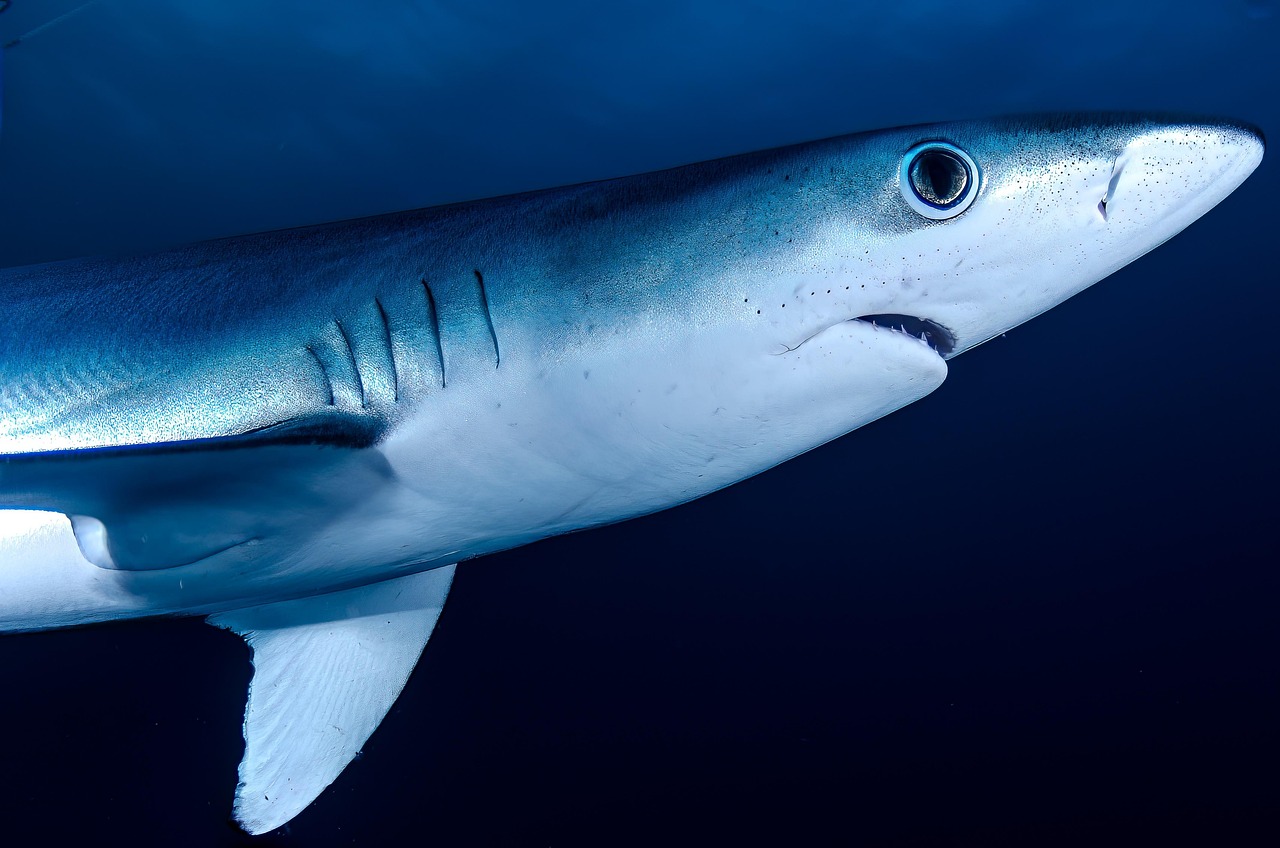
These predator have a torpedo-shaped body, metallic blue skin, and black eyes. Makos are capable of reaching speed of over forty miles per hour, and often jump out of the water when fisherman pursue them. These sharks can be spotted in the region during the summer and fall month, when the makos follow the warm water current and the school of tuna that follow those warm currents.
The teeth of shortfin makos are razor sharp, and their behavior towards humans is often unpredictable. Thus, experienced fisherman treat these sharks with respect when they are spotted in the area. Understanding the biology of these predator explains their strength; their muscle are able to maintain temperature several degrees above the remainder of the ocean waters.
The strength of the shortfin mako allow it to effortlessly slice through the water while swimming. Each of the sharks referenced in this article play a role in the food web of the region’s ocean. This intricate food web is one of the factor that indicates the productivity of the region’s ocean.
Thus, the next time an individual stands on the coast of San Diego, they should remember that the species that live in the ocean are not attempting to attack the individual who live on the coast and admire their beauty. Each of these species of shark lead their own life within the environment that the human of the region are lucky enough to share with them. Thus, understanding these species of shark is the best way to ensure that both the sharks and humans within the region remain safe.
Furthermore, understanding the sharks ensure that the species remain wild and protected for the many generation to come.