

Striped bass surf fishing provide an intense experience for anyone who loves to fish in salt water. Striped bass are a species of fish that puts great force into its strike, and striped bass tend to strike in areas where the water is very shallowly. In these areas, a fisherman’s boot will not get very wet.
When striped bass strike, they can quickly pull the fishing line away from the angler. Striped bass surf fishing isnt a game of chance and luck. Anglers must study the beach in which they will be fishing.
They must understand how to find the right moment to begin fishing for striped bass. Furthermore, they must understand how migratory striped bass hunts in the wash. There are certain principles that separate those that successfully catch striped bass from the fishermen who merely watch the sea from the beach.
These principles is not learned from the tackle shop. These principles are those that work on the rocky points of New England and the sandy areas of the mid-Atlantic. When mastered, striped bass will show up at the fishing spot with consistencies.
Essential Principles For Striped Bass Surf Fishing
1. Timing Your Fishing Trip with the Tides

One of the most important principles is knowing when to go fishing. Striped bass tend to be active at two hours prior to low tide and two hours after low tide. Striped bass will also be active in the first two hours of the incoming tide, especially at either dawn or dusk.
Striped bass move to the beach to ambush baitfish that get confused moving in and out of the shore. During a moonless night or during a strong new or full moon, the striped bass will exhibit higher activity and more stronger eating tendencies. Fishing during the middle of the day during slack water with a quarter moon will not yield any results.
Fishing around the tide schedules will provide the best opportunity to catch striped bass. Many experienced anglers will travel for many hours to reach the area where they want to fish at the time of low tide at first light. This may seem like an excessive amount of time and effort to travel to such a spot, but it is an essential part of the striped bass fishing season.
Either learn the schedule of the striped bass and follow their routine or watch as others enjoys their catch of the day. Another essential fishing principle is understanding the layout of the beach where the striped bass are to be found. There are specific location on the beach where striped bass will congregate.
2. Identifying Key Beach Features and Locations
These areas include rip currents, deep holes in the sandbar and areas where two currents meets. Striped bass do not fish in random spots on the beach. They know where to be to hunt for there food.
No marine geologist’s knowledge is necessary to understand the beach where striped bass will be caught. The beach has specific features when viewed at low tide. These features include troughs in the sand where striped bass live and sandbars that will become underwater when the striped bass begin to arrive.
Furthermore, any change in the color of the water indicates a sand hole where fish can be found. Any line of the froth produced by the breaking of the ocean waves indicates a sand hole. By standing in a position up-current of these features and allowing the bait to drift naturaly into these areas, an angler will find success with striped bass.
If the bait is cast into the area where the fish are, fish will be caught. However, if the angler casts the bait into areas that do not contain fish, there will be no success in the fishing effort. Another principle is knowing the type of bait that will work best in the water where striped bass live.
3. Selecting the Right Bait and Lures
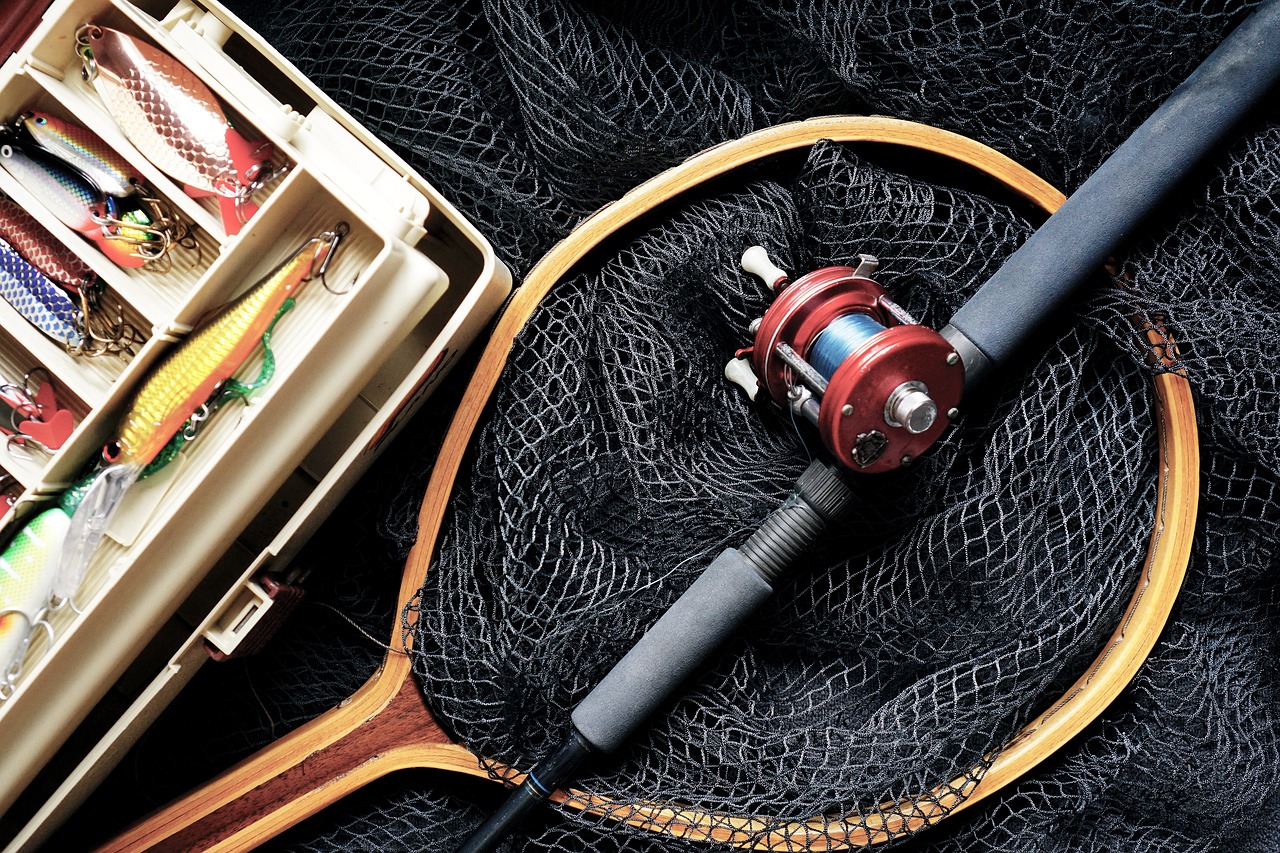
In water with little visibility and calm days, a bucktail jig and a soft plastic lure will work best. In dirty surf and high waves, a pencil popper will work best for surf fishermen. Live bait is also an effective way of catching striped bass.
When an angler adds a chunk of menhaden or a live eel to the surf and allows it to drift through areas with baitfish, the striped bass will strike. These baits will work when the striped bass ignore the lures. However, live bait requires the angler to stay in one spot whereas using lures allow fishermen to fish many miles of the beach.
Both types of bait work and will catch striped bass when presented properly to the fish. Understanding the mood of the water on the day of fishing will help an angler decide whether to use live bait or lures. The way in which an angler retrieves their bait will make a difference in the number of striped bass that are caught.
4. Mastering Lure Retrieval Techniques
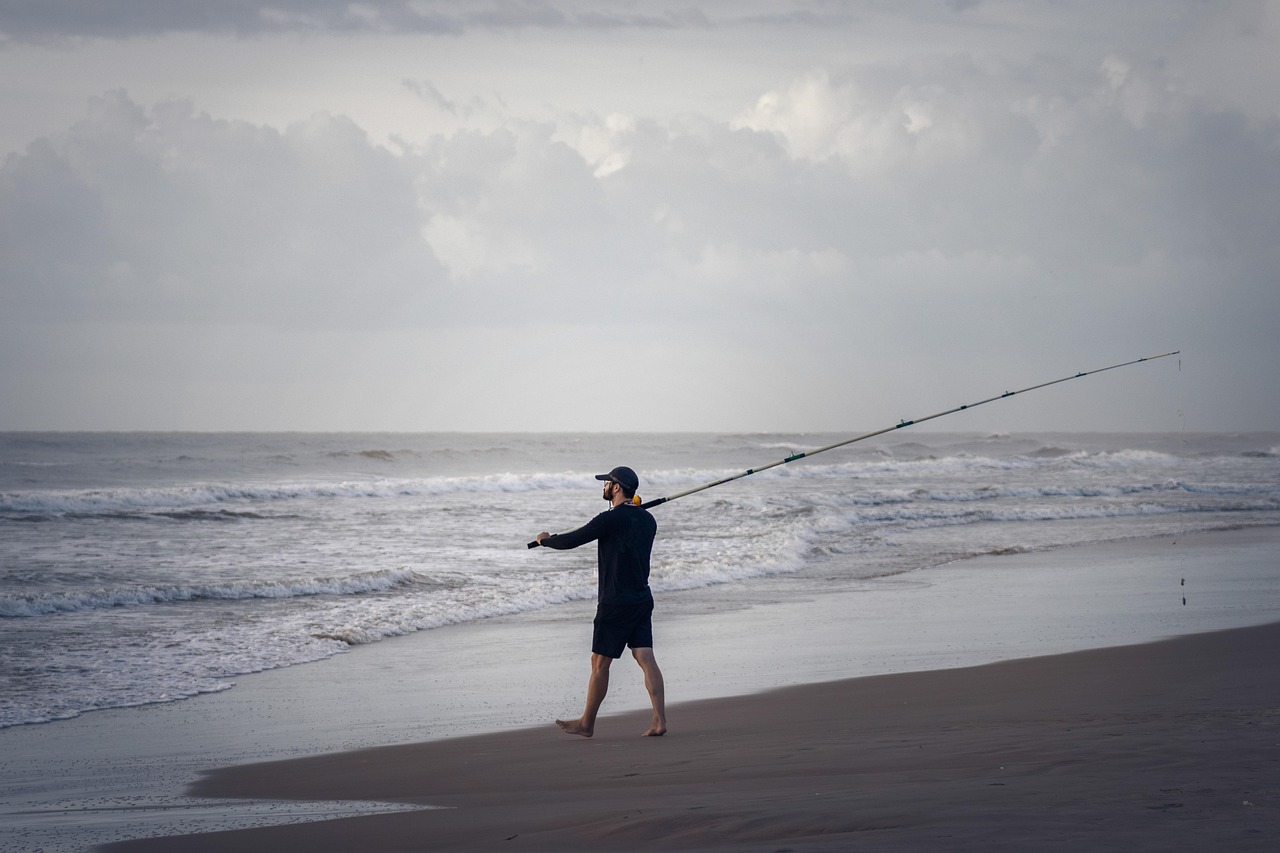
Striped bass are ambush predators and will strike at bait if it simulates a target that is easy to catch. A lure that simulates a darting movement that pauses will get the attention of striped bass more than a lure that is reeled in at a steady rate. When using a topwater bait or a jig, use a rhythm of quickly twitching the lure and pausing.
Most of the striped bass will strike during the pause when the fish decide that the bait is losing it’s nerve. Beginners to striped bass fishing may not understand this part of the sport. They will cast the bait and quickly reel it in to cast again.
However, by reeling in the bait at a slower rate and allowing it to act as if it is attempting to escape but failing, the angler will find success with their striped bass surf fishing.
5. Essential Clothing and Gear for Cold Weather
The clothing that is worn for striped bass fishing will allow an angler to stand on the beach well into the night. In the spring and summer months, a pair of neoprene waders and a pair of boots will do.
During the fall and winter months, those who love striped bass fishing will wear a drysuit. Underwear that is insulated will be worn by the fishermen. A quality rain jacket that seals in the wrists and neck will keep the fishermen’s clothes dry when fishing into the night.
Items such as gloves, a wool hat and a buff that covers the face are items that provide comfort for the angler. Anglers who go to great lengths to fish for striped bass need to have warm hands and feet. Hands that is too cold will have difficulty tying their knots on the fishing line.
Feet that are too cold may cause an angler to end their fishing trip early. These striped bass dont care about the temperature of the air around them. Therefore, the angler must remain warm so that they can stay afloat with their fishing line.
6. Using Balanced Fishing Tackle
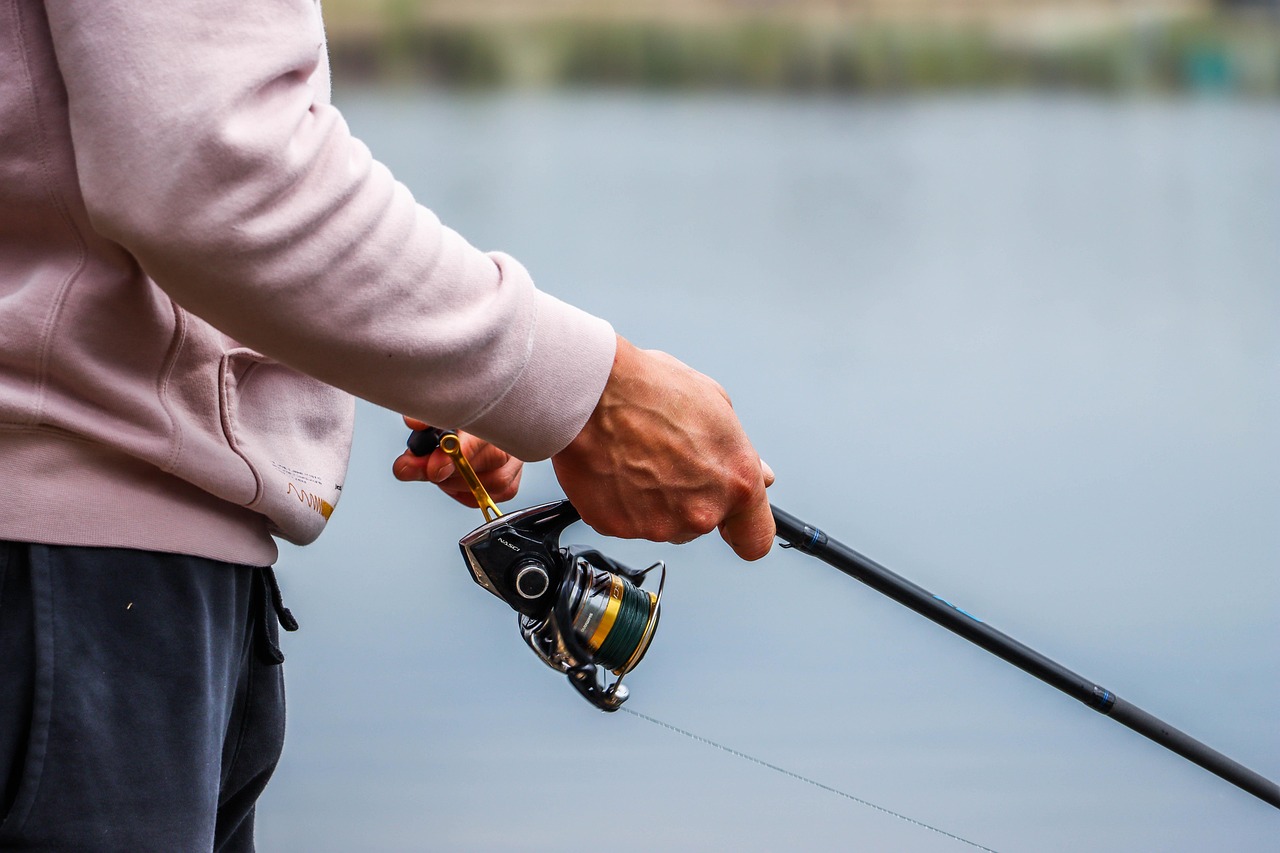
Another principle that should be followed is using balanced fishing tackle. Striped bass are strong and can easily pull the line away from an angler. Most surf fishermen use braided fishing lines between twenty and thirty pound.
From the bait to the end of the fishing line, an angler will use a three to four foot leader of thirty to forty pound fluorocarbon fishing line. The fluorocarbon will hide the line from the striped bass when it move through the water. A rod between nine and ten feet with a medium-heavy action and a spinning fishing reel will work best for most anglers.
The spinning fishing reel should hold at least two hundred yards of twenty pound braid. Using a longer rod will help in launching the bait into the air over the sea’s waves. Furthermore, using a rod that measures longer will allow the angler to keep the fishing line above the water while reeling in the bait.
Using too light of a fishing rod will prevent the angler from being able to turn a thirty pound striped bass. However, using a rod that is too heavy will make the fishing experience for the angler not as enjoyable as it could be.
7. Observing Birds to Locate Fish
Another principle is observing the birds in the area to find where the striped bass are. When there are terns diving into the water or gulls circling the area where the seas break, there are striped bass pushing baitfish to the surface of the water. Even if the angler does not see any fish in the area, the presence of these birds indicates where an angler should direct their attention. If small baitfish leap out of the water near the feet of a standing angler, the same area where the fish are likely to be spotted.
These baitfish leap out of the water when they feel threatened from below by a predator trying to eat them. By casting the fishing lure just beyond the area where the baitfish are leaping and moving the lure back into that area, the angler will find success in their attempt to land striped bass. Finally, an angler should handle the striped bass with care.
8. Proper Fish Handling and Release
Using pliers to remove the hooks from the fish quickly and removing the hooks while the fish is still in the water will make the experience easier for the angler. Support the body of the fish horizontally and never lift the fish by its jaw. Taking a quick photograph of the fish and gently releasing it will allow the striped bass to continue spawning before the angler departs the area.
Some may feel compelled when catching many fish that they will keep all of the striped bass. However, the largest and strongest striped bass are responsible for the breed of the species. By allowing these strong fish to go back into the ocean, the angler may feel as if they are losing a fight.
However, it is better for the striped bass to continue to breed and ensure that the fish are still available for others to enjoy. Success in fishing for striped bass is not determined by the weight of the fish but by the quality of the fight and the memories that is made while fishing for these strong predatory fish. It may be intimidating to go fishing for striped bass at night when an angler is just starting in the sport.
However, fishing for striped bass at night can become an addicting sport to those who follow the sport. There is a specific feeling to fishing for striped bass at night with the waves crashing at the shore and the fish hitting the lure. When going to fish for striped bass, use these principles.
Watch the tides and the beach for fish and match your lure to the mood of the water. Fish at the proper time when the conditions are correct instead of only when it is convenient for the angler. Striped bass have followed these principles to survive and to spawn for years.
Therefore, if an angler follows these principles, they will catch more striped bass than those who do not follow these rules.