
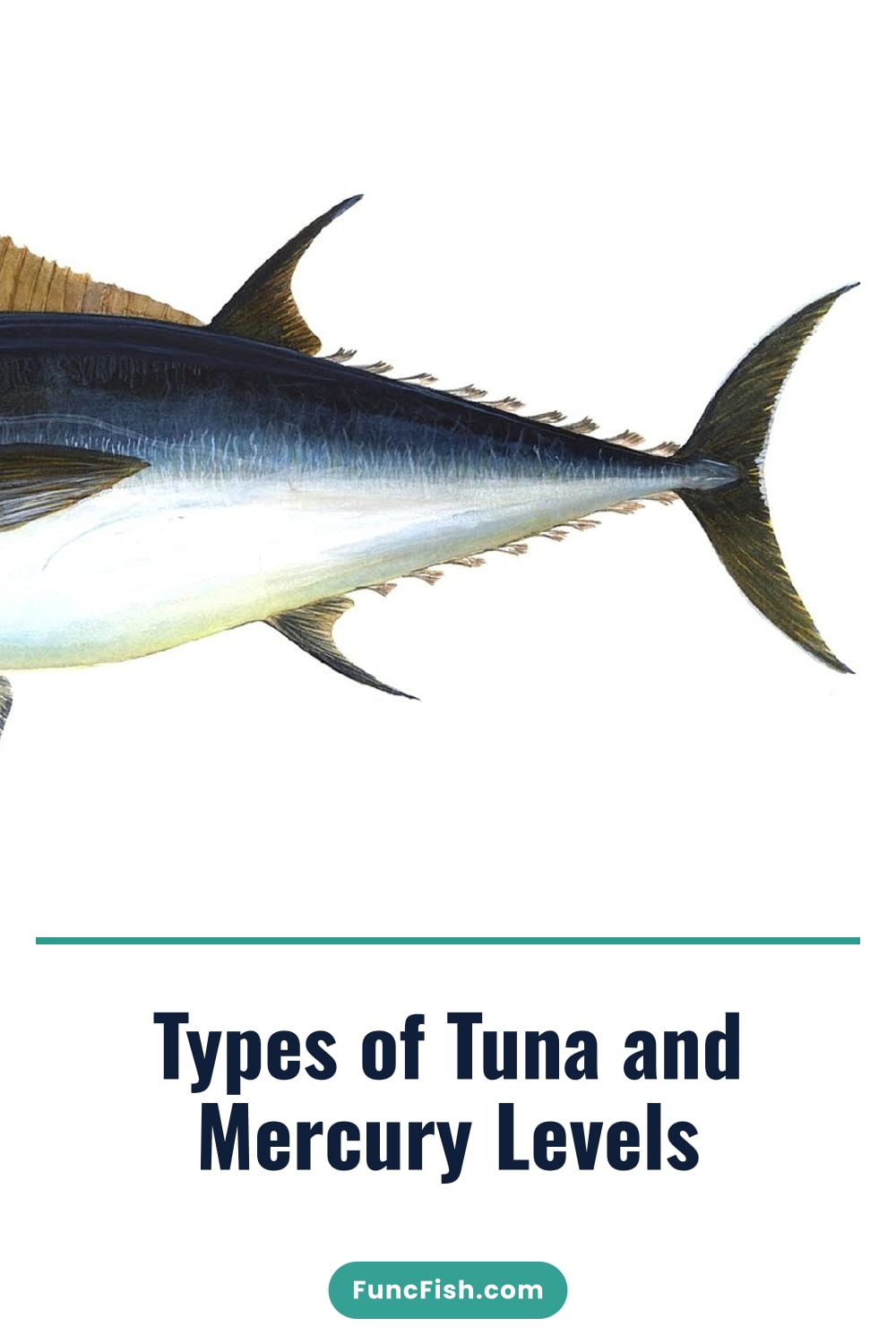
There are many tunas out there. There’s tuna on sushi counter, tuna in your neighborhood deli case, and even in local gas station fridge. I’m sure you know it as one type of fish.
But tuna is actualy several different species, each very different from the others when it comes to cost, taste, and even health concerns. Canned tuna is what most folks purchase. They don’t look at label, assuming all canned tuna are the same.
They figure all fish in a tin are alike. Guess again. Not only could this hurt your wallet, it can be disastrous for a dish.
It can also expose you to more mercury than you need. Knowing which ones is which will make you eat smarter. Tuna everywhere!
Or so we think. But only some tuna are safe to eat often. Big predatory fish that live a long time accumulate mercury in their tissue.
As apex predators at very top of the food chain, tuna has been concentrating this heavy metal over time. The larger the tuna, the more mercury it tend to contain and the longer it lives. So when choosing what tuna to buy, consider which species to choose as well as where to buy it.
What’s the best tasting one? Which one is safest to eat often? Here is a breakdown of what tuna you’ll see out there, listed from biggest and highest in mercury to smallest and safest:
Types of Tuna and Their Mercury Levels
1. Skipjack Tuna
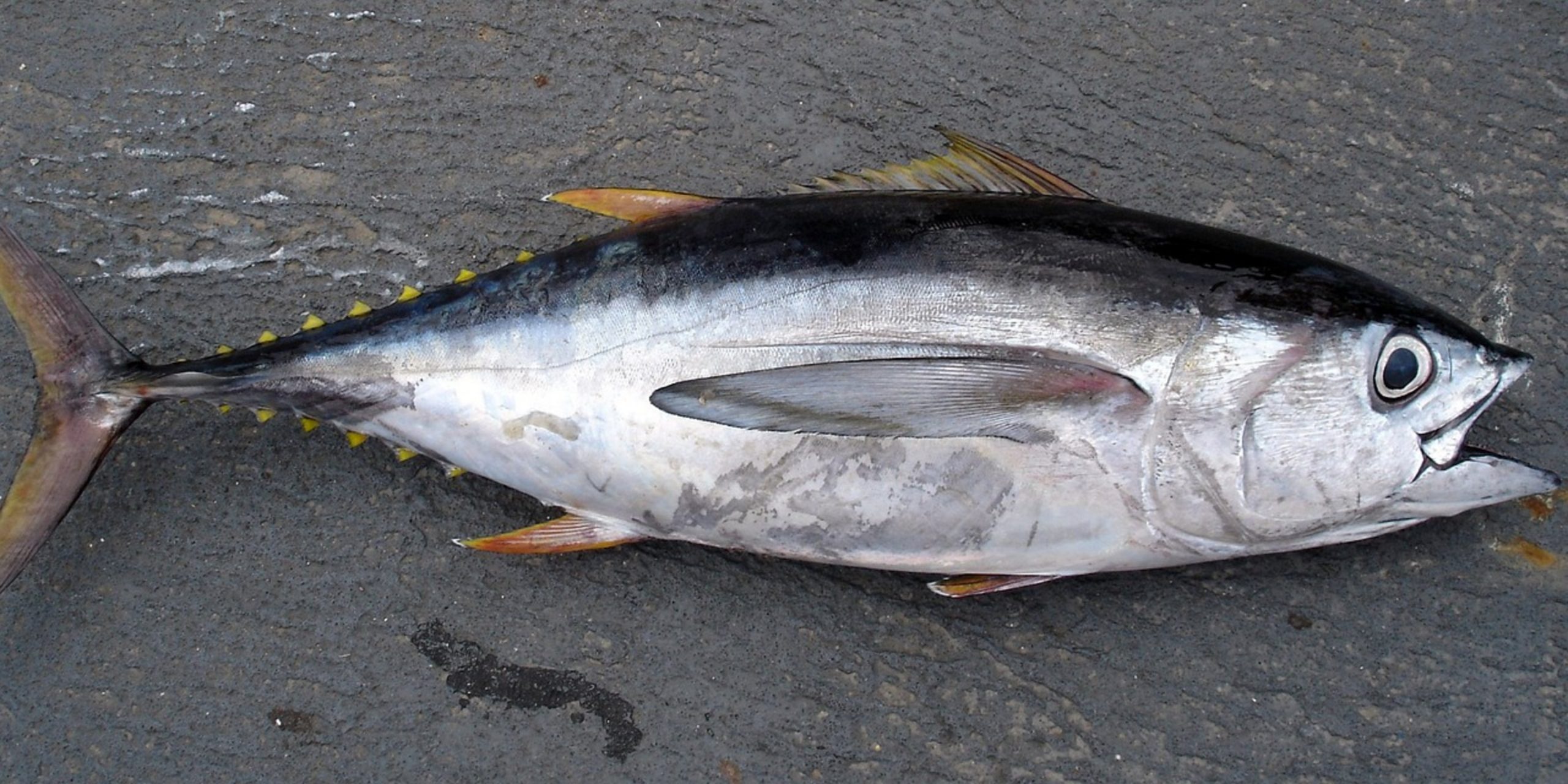
The canned fish industry’s work horse is skipjack tuna.
Most often, you’ll see this species referred to as light tuna in your local grocery store. Why? It is younger and smaller than its counterparts.
That means that it contains less mercury. As such, it’s safe enough to consume several times weekly by nearly anyone. With a milder taste then the richer kinds and leaner flesh, it’s perfect for use in casseroles, salads, or sandwiches.
Here, it’s combined with other bold flavors. It doesn’t have to shine solo.
2. Yellowfin Tuna
The next level up in terms of both size and flavor is yellowfin tuna (also called ahi).
A deeper red in color, yellowfin is also more robust in flavor compared to skipjack. Found fresh in markets, you can expect to see it frequently on menu of seared tuna dishes and in poke bowls. Moderate mercury levels mean that it’s considered safe for occasional consumption but not something to eat every day.
If you’re looking at eating it daily, stick with skipjack which poses less risk. Compared to skipjack, yellowfin offer a firmer texture. That makes it a good option when cooked using high heat.
You won’t have to worry about it breaking apart while broiled or grilled.
3. Albacore Tuna
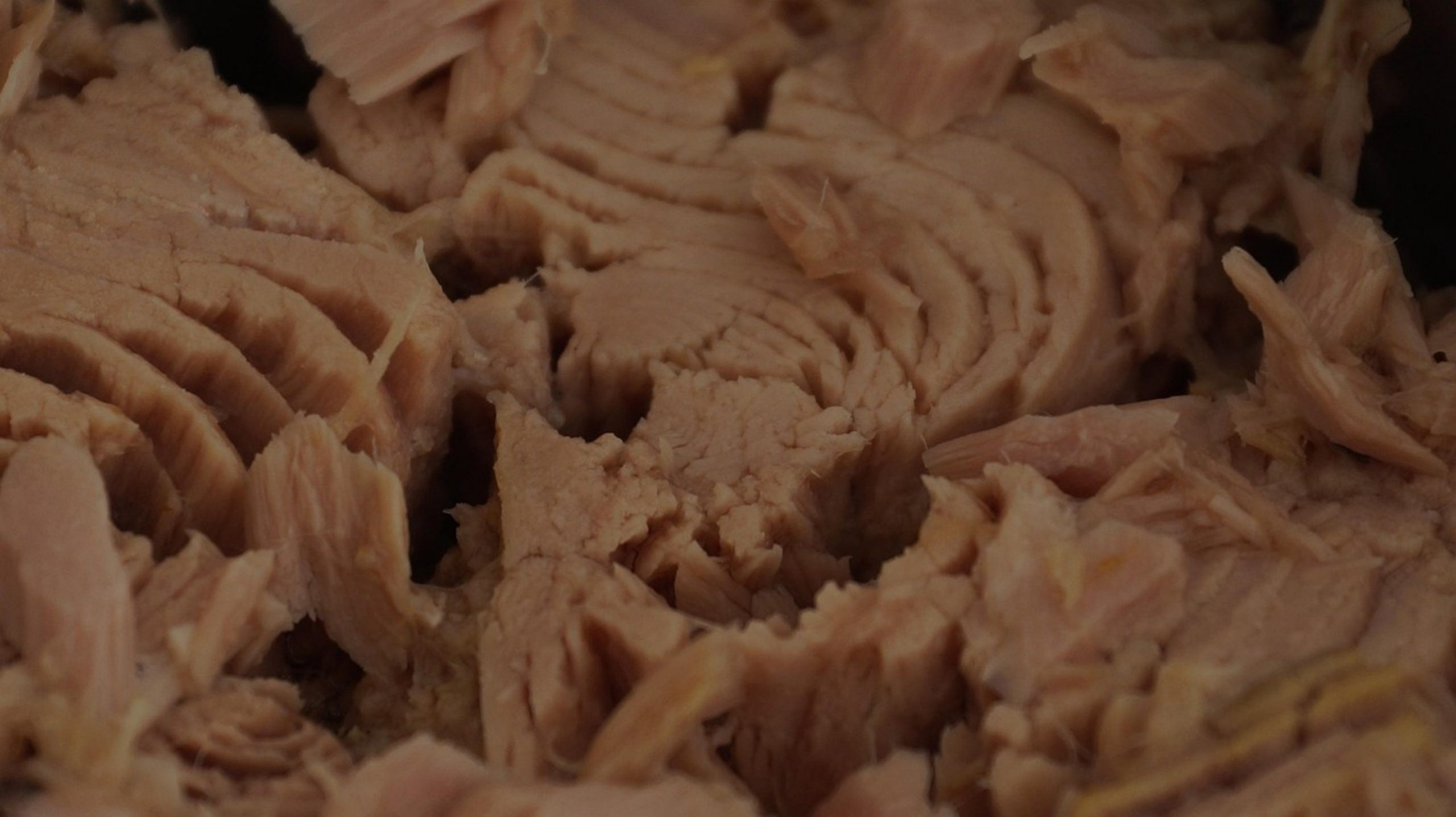
White tuna is also known as albacore tuna, and this type of tuna is noticeabley different from both yellowfin and skipjack tunas. On canned tuna labels, they are nearly always referred to as white tuna.
Albacore’s meat tends to be paler in color with a more delicate flakiness and preferred by many because of its cleaner taste. It has a mild flavor that is sweeter than light tuna, but the taste also is stronger. Since albacore live longer and grow bigger then skipjack, there is greater exposure to mercury.
According to health authorities, consumption should be limited to no more than one serving per week. If you like the mild sweetness and unique texture albacore bring, then it’s a fair compromise.
4. Bigeye Tuna
A top-of-the-line species of tuna, bigeye shows up often on sushi menus.
It’s bigger than yellowfin. It is more fatty than yellowfin. That buttery richness of its meat make it a great choice for raw dishes such as sashimi.
Because bigeye tuna contains far more mercury than either yellowfin or skipjack, consider it a once-in-a-while indulgence. It is not something to have every week. And because of that fat content, it will cook fast.
Overdo it and you’ll end up with a dry piece of fish. Precision pays off in the preparation of this species.
5. Bluefin Tuna
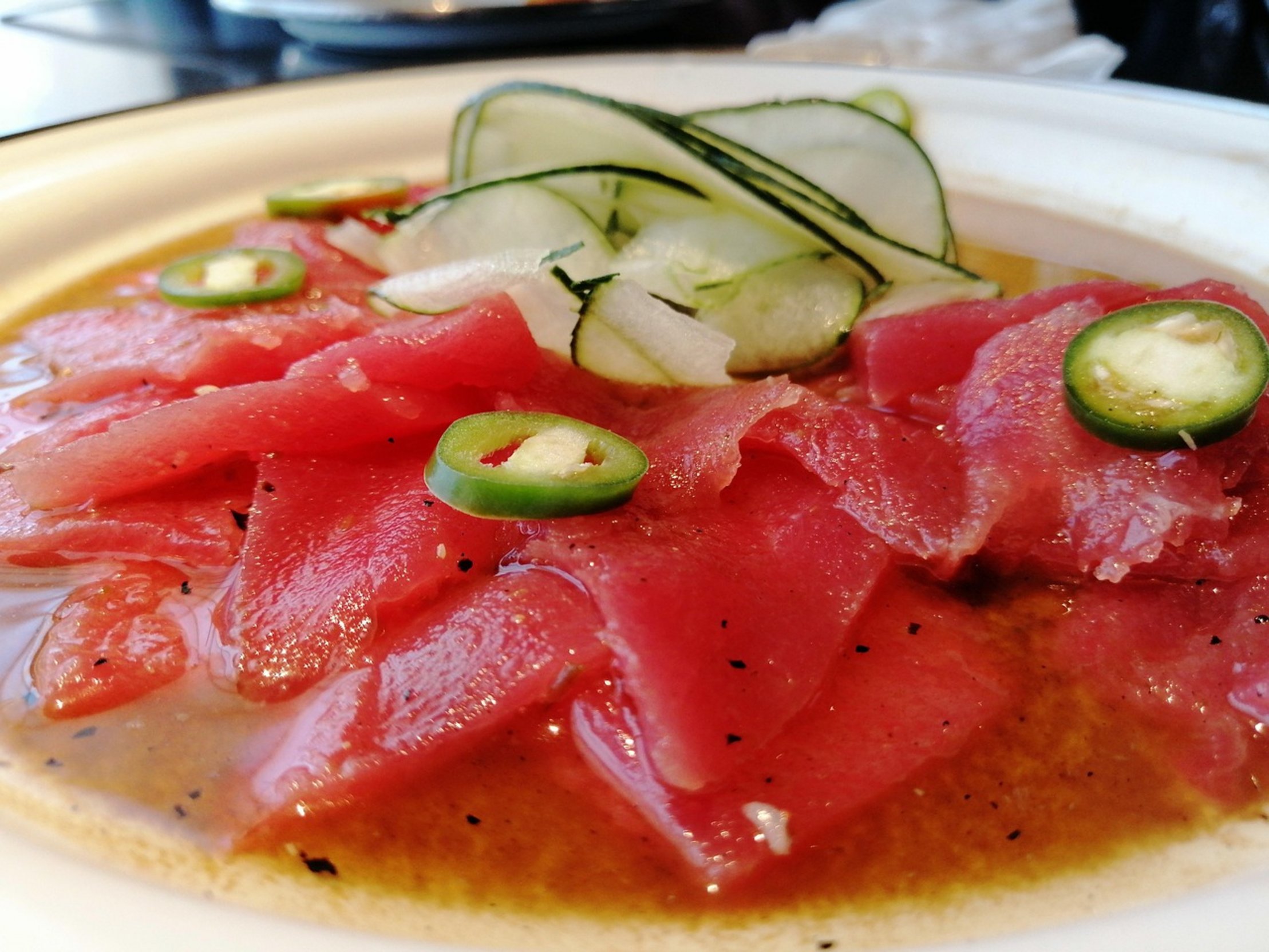
Bluefin tuna is crown jewel of the sea.
This is the most sought-after and expensive species; the one with the richest, oiliest flesh and extreme marbling. It sells for record amounts at auction. That’s the fish people are talking about when they say it’s a taste so deep and savory that it is described as luxurios.
But it’s also most dangerous fish, by far. Because of its long life and size, bluefin has the most heavy metal accumulation. It contains more mercury than any other fish, and you shouldn’t eat too much (if any).
It’s saved for special occasions. Moreover, there have been significant sustainability issues associated with bluefin, mostly because of historic overfishing, but stocks is making a comeback in certain areas.
6. Blackfin Tuna
Blackfin tuna is a smaller, regional species.
They are mostly along Atlantic coast. They are not typically canned. They are occasionally fresh in some local markets.
It has a similar taste to skipjack but is a bit firmer. They have fairly low mercury content. So if you see them around, they are a good safe bet.
It is often ignored. They don’t get the same market attention that bluefin and yellowfin do. Good for making salads or sandwiches if you come across it.
It supports local fisheries and has a lighter ecological footprint. It also has a smaller ecological footprint.
7. Little Tunny
A mackerel species behaving like a tuna: That’s little tunny.
It is prized for making bottarga, the cured roe that acts as a powerful seasoning. Often sold as tuna. Sought after in Southern Italy and parts of the Mediterranean.
It has a strong flavor with a distinct character. The meat is dark and rich. It has moderate to high mercury levels.
It is similar to yellowfin. It is best when cured or accompanied by bold sauces. It is a favorite for creating bottarga (the cured roe used as a strong seasoning).
Adds a unique depth to pasta dishes.
First, pick your type of tuna. What’s on the label?
Is it light (aka skipjack) tuna or dark (yellowfin/albacore) tuna? If you’re eating it often, read the label. Light tuna is what you should of choose if you’re eating it often.
Yellowfin or albacore. They have better flavor but shouldn’t be consumed so often. These have better flavor and aren’t consumed so often.
Bigeye and bluefin tuna are larger species. These is the ones you want to avoid unless you use it as an occasional treat. So why does all this matter?
Because mercury accumulates over time. In other words, the more types of fish you consume, the less you need worry. Knowing different species will help you know what you’re getting.
Enjoy flavor of the sea while also saving money. There are plenty of choices out there in the ocean. But you can only find them if you know what to choose.