
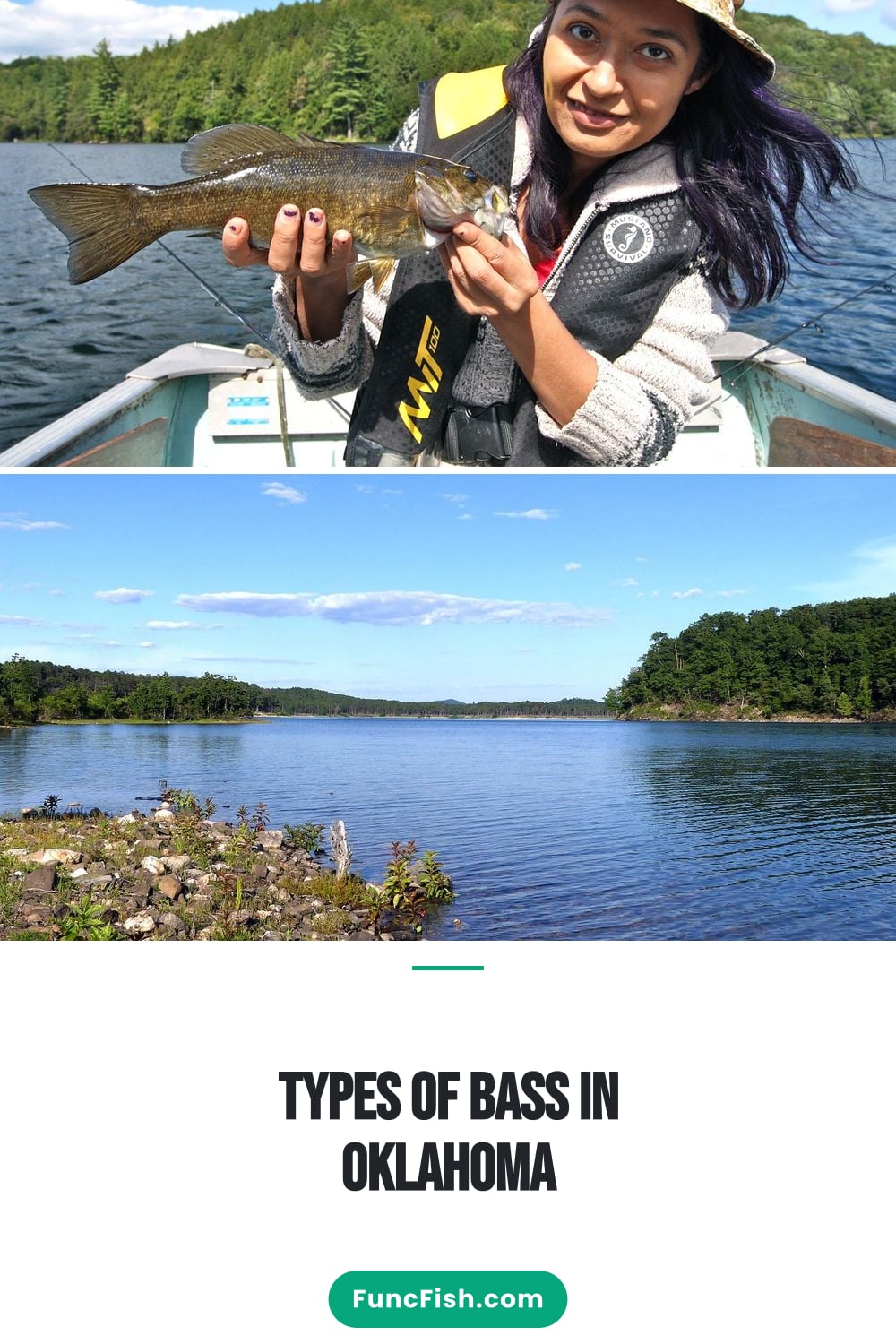
The variety of fisheries available in Oklahoma can take even the most casual angler by surprise. From reservoirs to rivers, the state sits at a crossroads of river systems and reservoirs supporting everything from cool to warm-water fish. That means not all the bass is largemouth.
While it may be thought that bass means just largemouth, there’s more to it than that. Knowing what type of fish you’re targeting makes an incredible difference. It will determine where you cast, what bait you use, and how you handle the fight.
Not accounting for those differences results in missed bites and morning frustrations on the water. Why does it matter? They all have unique habitat preferences and behavior traits.
For instance, some are structure oriented. Others are open-water hunters. Some love the warmth of summertime, while others seek out deeper pools as temps soar.
Instead of throwing stuff and hoping for the best, knowing what separates a little smallmouth from a spotted bass can help you target ’em and catch ’em efficienty. It turns a random fishing outing into a planned mission. Here’s how to break down major Oklahoma bass species by their characteristics and what to do with them.
The Best Types Of Bass In Oklahoma
1. Largemouth Bass
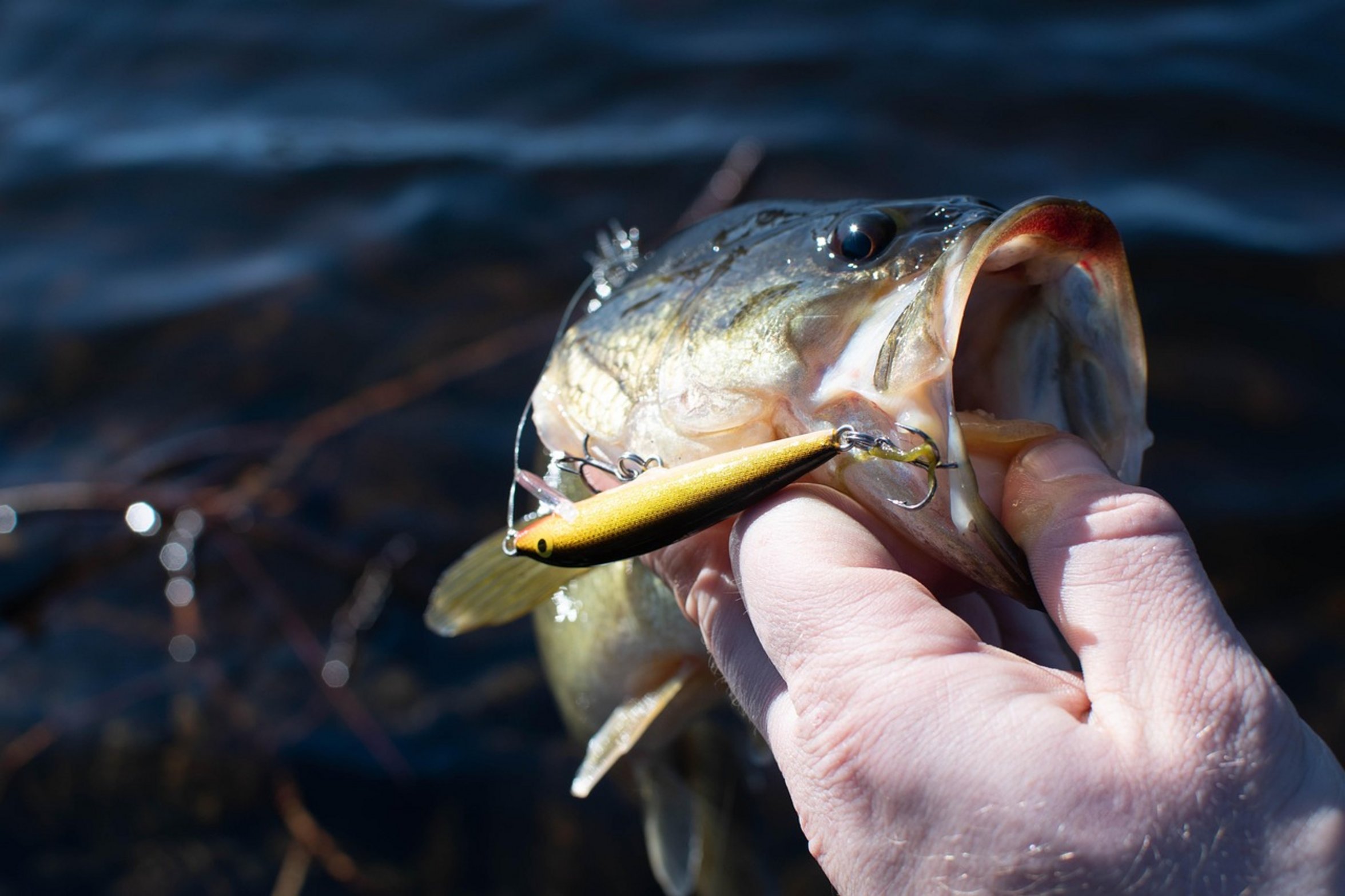
Largemouth bass are the best-known symbol of Okie Freshwater Fishing; they love warm weather and hide among structures like submerged timber, docks, and brush piles. Aggressive ambush predators, these fish uses vision to target prey. During the daytime hours you’ll find ‘em sticking close to structure while early morning or late afternoon, a little more open is fine by ‘em.
To catch largemouth, throw a topwater lure or soft plastic around where they hang out. Exciting battles follow because of their powerful head shake; just don’t underestimate their big mouths when fighting them. Many of Oklahoma’s spring-fed lakes and rivers also hold rocky bottoms in clearer waters that smallmouths love.
2. Smallmouth Bass
When you hook into one, they’re notorious for putting on an acrobatic show and fight hard. While largemouths tend to hide out in heavy cover, smallies will frequently school up above ledge and point breaks. If you can find them, cranking and jigging along these rock walls consistently produce bites.
Not only do they put up a good fight, but they have a meaty texture that makes ‘em a table favourite too. Finding their habitat is the key. Because it’s more limited than largemouth’s hangouts, it’s a little tougher to locate.
3. Spotted Bass
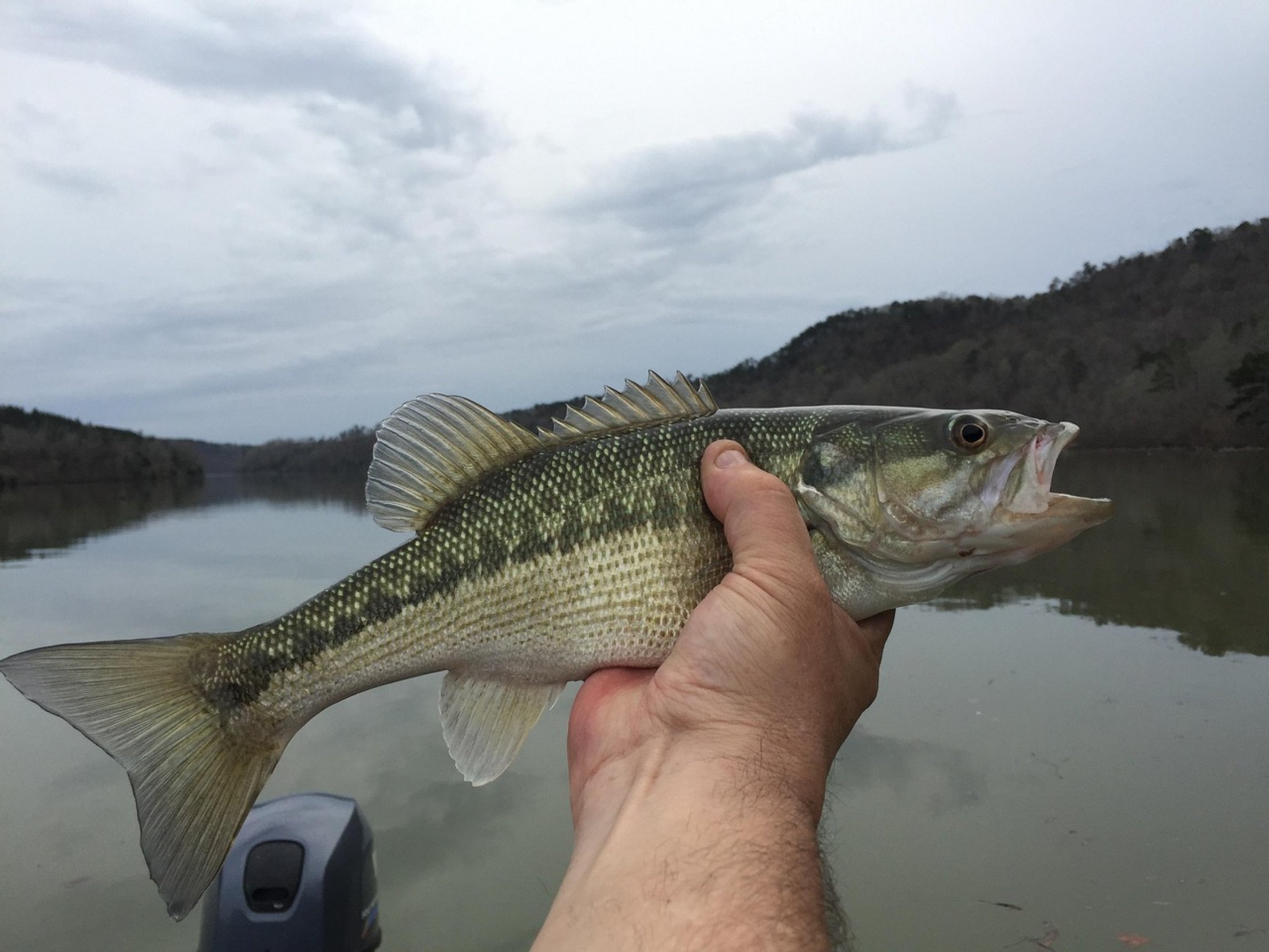
Largemouth, Largemouth resemble spotted bass, but more commonly reside in warmer water and favor cover like brush piles, docks, and submerged timber. Spotted bass are often found mixed with other black bass species in reservoirs like Lake Eufaula or Grand Lake. When water temperatures gets hot during summer months, largemouth seek out cover like brush piles and docks while spotted bass tend to hold deeper and further offshore.
Drop-shotting or vertical jigging around their suspended locations is an effective way to target these fish. Spotted bass are less flashy and often overlooked by anglers, but they put up a tough fight for their size. They also fight hard for their size.
4. White Bass
Knowing what one looks like eliminates misidentification with bigger bass. Technically white bass are related to shad, but because of their numbers and tendency to school up, they’re often lumped into conversations with bass fishing in Oklahoma. They make large schools that will actively feed on both baitfish and insects at the surface during daylight hours.
Because there’s usually more than one, individual size doesn’t matter much, so don’t expect finesse tactics here. Live minnows or small cranks around the mouths of tributaries or along shorelines will draw some insane feeding frenzies. It’s fast-paced, crazy business, so it can be a nice reprieve from the methodical style of targeting.
They also make great fish for anglers looking for some fun, easy-to-catch sport fishing for novice fishermen.
5. Saugeye
Designed to survive in Oklahoma’s warmer waters, Saugeyes are hybrids between walleyes and saugers (hence the name). Appearing similar to a walleye, they possess the hardiness needed for summer heat.
They are found in cooler water in deep parts of big reservoirs, typically along underwater highways and boat ramps. In cooler months, they can be caught trolling live bait and around structure as well by casting soft plastics. As far as catching them, low light periods is best because their eyesight is outstanding in these conditions.
Dusk and dawn are prime hours. Because of their need to sense bite more subtly than aggressive bass species, they offer up a unique challenge.
6. Striped Bass
Some Oklahoma lakes are stocked with striped bass for trophy fishing trips.
Originally from the ocean, they adapt very easily to freshwater environments. They’re also aggressive open-water feeders and will chase shad schools at high speeds and power. When actively feeding, topwater poppers and diving plugs immitate their diet nicely.
Their size can be quite impressive. Expect big tackle and stout reels to handle these heavy bruisers. There’s nothing like fighting a giant stripe on local waters.
It takes some gear prep and physical endurance though.
7. Hybrid Striped Bass
It is a mixed bag. A hybrid (striped x white) bass is essentially a cross between the two species.
This results in better growth rates than either pure strain. Because they are hybrids, these fish can adapt to the changing water conditions in Oklahoma’s reservoirs. They also have traits from both parents.
They eat as aggressively as their striped cousins but can handle cooler water better, much like white bass. You can target them similarly to pure striped bass, though you’ll usually get more solid bites on smaller waters. Because of this flexibility, these fish has become a staple in public fisheries seeking to create dependable fishing pressure.
They’re an example of man-made solutions to viable stocking plans statewide. Knowing how to catch these various species takes adjusting your game plan based off season and current conditions. The beauty is each one will test your skill set in different ways throughout every year.
So whether you love the explosive action of white bass schools or the stealthy approach for smallmouths, there’s something for everyone in Oklahoma. Water temperature plays an important role when it comes to fish movement and should not be overlooked. It can turn a mediocre outing into a great day of learning and awesome catches on the water.