
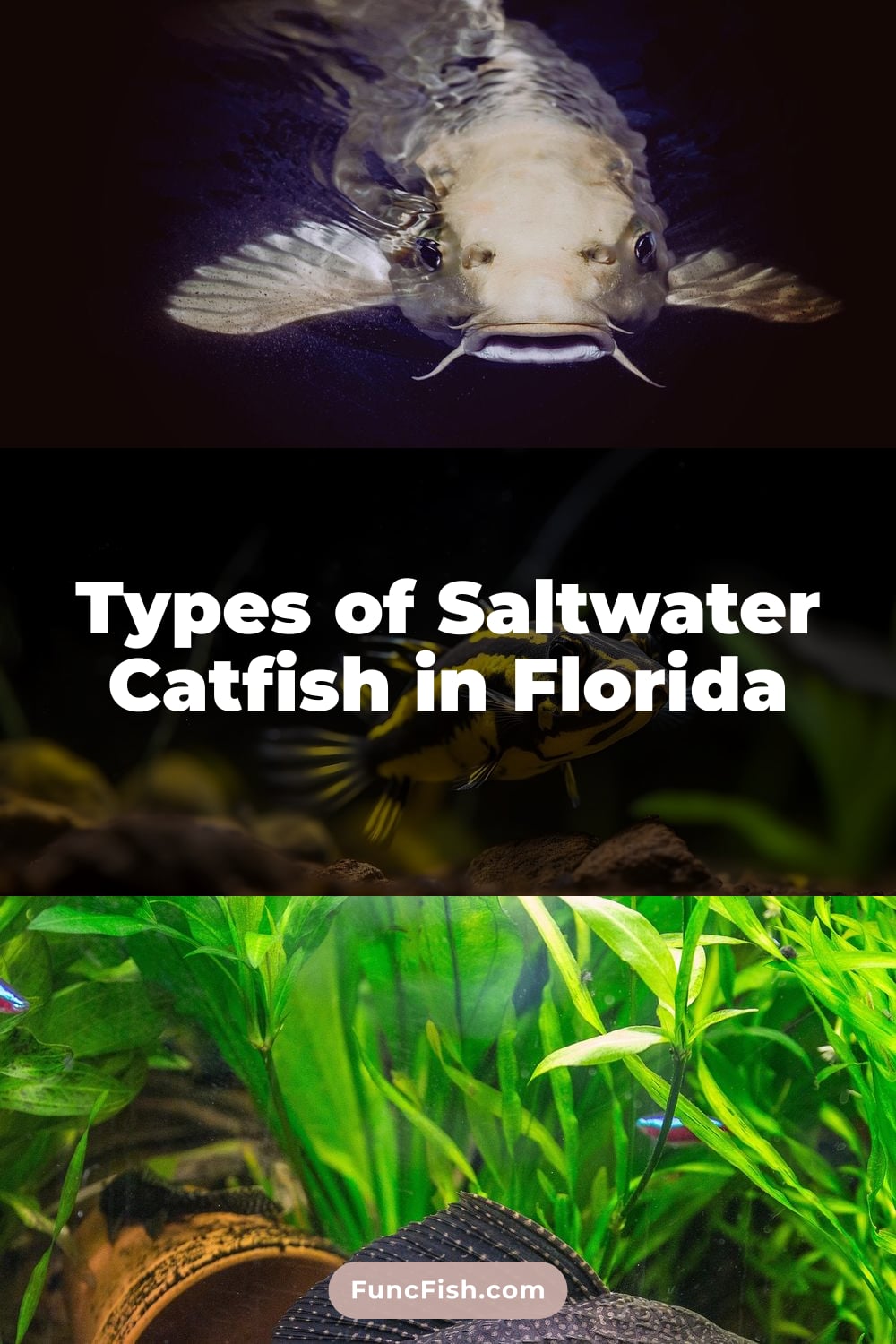
Florida has a lot of great places to catch saltwater fish. It’s no wonder why people go there. But if you’re like me, you need be patient because the real character often hides near the bottom, waiting for bait to drift by.
Most folks think about snapper and tuna. But a couple of species that also live in those salty waters of the Florida estuaries is catfish. Not all catfish are just freshwater fish.
Several species actualy prefer to hangout in salty and brackish waters in those estuary. Instead of seeing their movement underwater, you’ll feel the current bringing that bait right up to those fish waiting below. When the tide move, so do they.
And understanding the behavior of those bottom feeders will shift your perspective on the tide. Rather than backup targets when everything else goes quiet, they become a true test of your tackle and nerve (particularly at night). Learning what species inhabit your home bay will give you more confidence in targeting the right fish.
From shallow mangrove shorelines to deeper offshore structures, here is a roundup of the saltwater catfish you might encounter along Florida’s coastline. All of them has unique characteristics, including habitat preference and size.
Common Saltwater Catfish Species In Florida
1. Hardhead Catfish
The hardhead is a resident species of catfish in the shallow waters along the West Coast of Florida, particularly around Tampa Bay.
Hardheads are robust fish with heavy bodies that feel like pulling up a wet sack of rocks once they reach trophy size. To catch them, drift shrimp or cut mullet over sandy bottom in areas close to oyster bars. The cats hang out here waiting on something to come by within striking range.
What makes the hardhead special is its sheer weight relative to its length. Because of their thick muscle and bone composition, a thirty inch hardhead will weigh more than an equal sized bass. That’s why they don’t swim fast.
But they are very strong as they fight your line. Use a rod with a stiffer back bone to give them a head turn away from any structure they’ll try to sneak into. Their presence is also an indicator of healthy estuary systems.
Hardhead fish require an abundance of shellfish and relatively clean water to live. You’re catching a fish that has spent years living in quality habitat when you hook into one. These fish mature slowly, and it take decades to reach maximum size.
This is why conservation minded anglers typically release them.
2. Sea Catfish
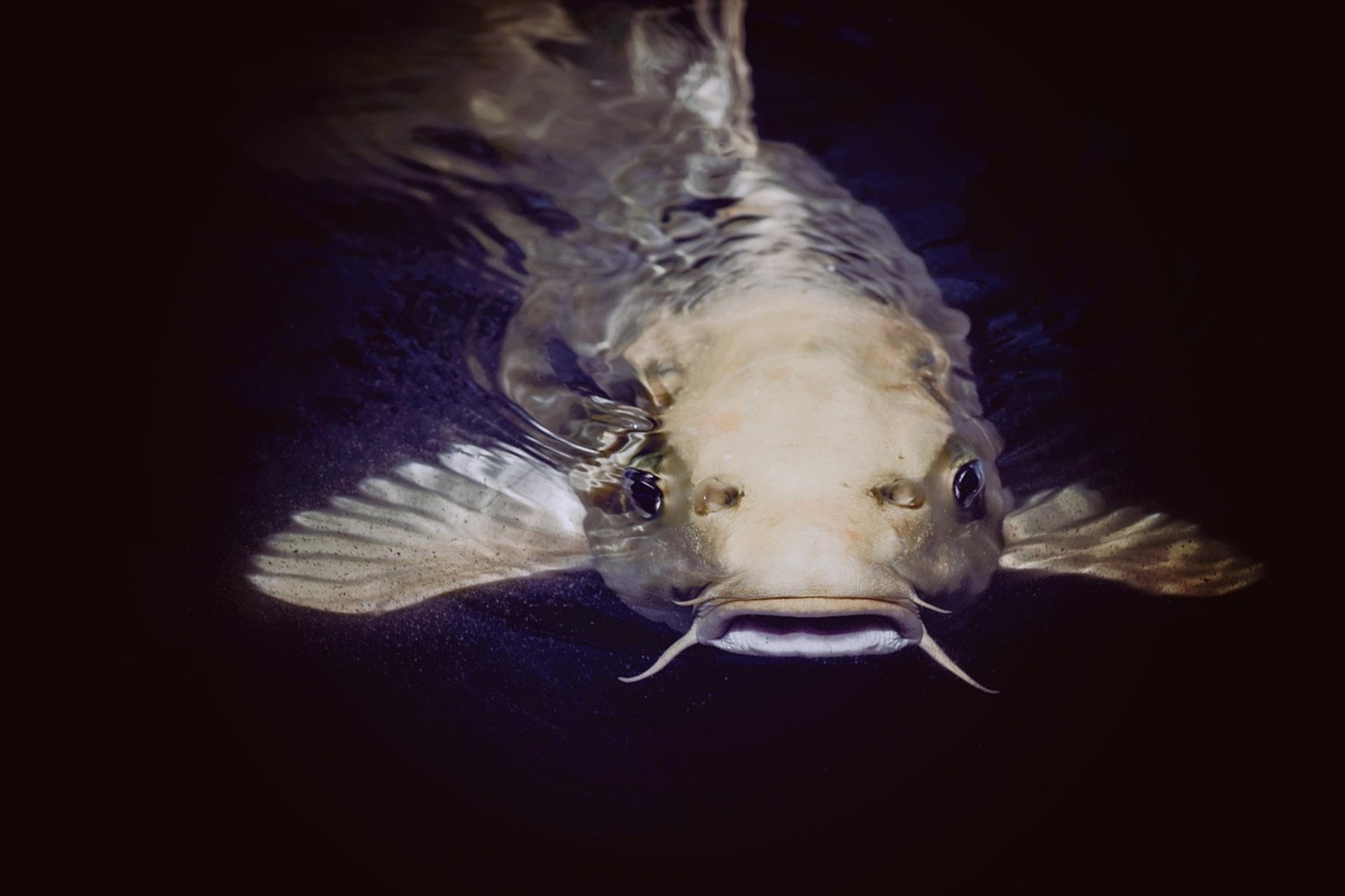
Known as sea catfish, these guys like muddy water. Whether it’s in an inlet or bay, they’ll be in places with limited visibility.
Instead of vision, they seek their prey through their lateral lines and sense of smell. Because of this, presentation matters when fishing for them with live baits. A dead shrimp dropped right on their nose often goes ignored unless there is naturaly movement involved.
When one bite, they do so lightly and are likely to throw the bait if you set into them too soon. Learning when to set the hook takes skill, since you have to distinguish between a light nibble versus a solid hook-set. The most common mistake among novices is that they jerk the rod too forcefully and end up breaking off the soft mouth of the sea catfish rather than fully setting the hook.
Although considered bottom feeders, sea catfish can reaches large sizes along Florida’s coastlines. They are very tough and some exceed 20 pounds. So they require strong tackle to get them in the boat.
They have rough skin that guards against abrasions, but also is difficult on the boat deck. It is best to put them back in a livewell quickly or let them go to give them a better chance of surviving after the catch.
3. Gafftopsail Catfish
Found primarily in south Atlantic waters including the Florida Keys area as well as around artificial reefs and shipwrecks, the gafftopsail catfish are more pelagic, meaning they are found closer to the open water.
Streamlined for swimming, these fish is adapted to stay positioned in current with minimal energy use. Although smaller than a hardhead, the gafftopsail puts up a serious fight. Because of its streamlined body, the gafftopsail will initially bolt at high speed upon hook set and make a beeline for some dark hole or steep drop off.
In order to land a gafftopsail safely, you’ll want to use landing nets with a mesh-bottom to avoid getting jabbed by those sharp dorsal fin spines. Drifting natural baits such as blue crabs or pinfish over deep ledges with a transition between rock and sand bottom will give best results when targeting gafftopsails. These areas concentrate baitfish and predators, which draws catfish out of hiding.
And this fish test your drag settings while putting constant pressure on your reel during the entire fight.
4. Blue Catfish
The Blue Catfish is primarily a freshwater fish that will seasonally travel from freshwater to brackish waters in estuaries and rivers in Florida. It does so based off temperature shifts and increases in freshwater flow.
Although they are not true saltwater fish, many folks consider them part of the saltwater fishing world because of their presence in coastal waters. The large lagoons and river systems around the state make for great habitat for these giant cats to reach very large size. Anglers spend seasons targeting them because it is known that a 100-pound blue catfish is possible.
They feed greedily on bait and don’t hesitate to take off whole crabs or large pieces of other fish. They will take an aggressive presentation as well. Targeting blues in salty stained water means understanding the salt levels that dictate their travels.
Often times, they sit right on the edge of salt water meeting fresh water waiting for opportunities to feed on bait driven there by tides. Locating this line and putting the bait in the right spot is the name of the game for landing a trophy fish. Florida anglers have a chance to catch all of these species which provide their own reward and challenge.
Whether targeting them out deep or shallow bays, there’s something about them that keeps things interesting. Knowing more about the habits of the catfish you’re after increases the odds of catching it. So when that big one hits down there the next time, think about who it might be before setting the hook.