
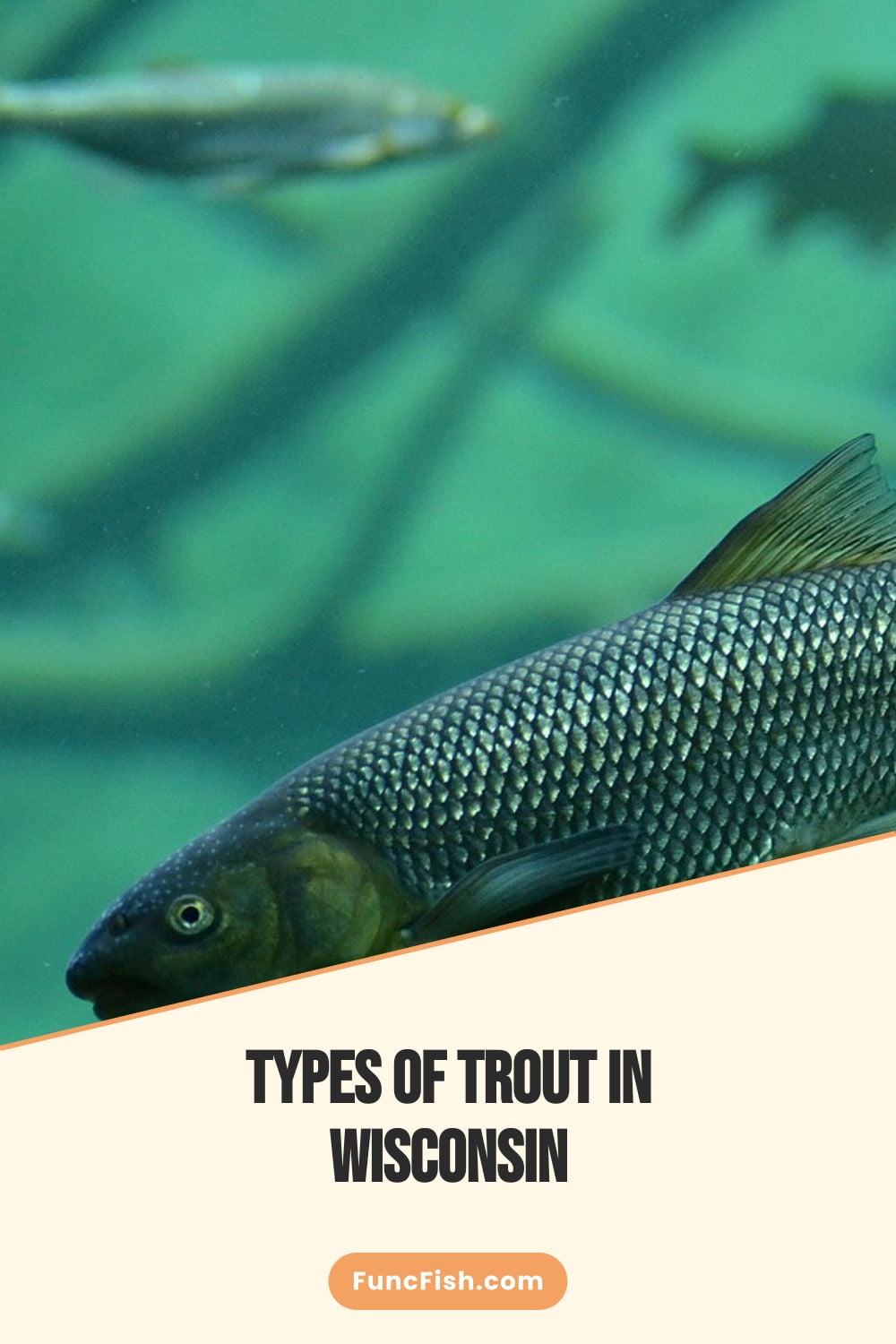
There are lots of rivers and lakes in Wisconsin with fish under the surface. And if you’ve fished here, you get it: that tug on the other end of the line. It could be that slight tug follow by an empty hook or a little something.
Knowing which type of trout is in your home water will increase your success. Trout fisheries is managed different throughout the state. Some are heavily stocked annually, some are left to wild runs.
Getting to know physical traits and behavior traits of various types of trout will guide you as to when and what to throw for them. It is no longer a guess but instead strategy.
Top Trout Species Found In Wisconsin Waters
1. Brook Trout
Native to northern Wisconsin waters, Brook Trout inhabit small lakes and fast moving, clear, cold stream with high summer oxygen content.
Look for these trout up north in Northwoods in places like Ashland and Bayfield Counties where the water stay still cold in July. The markings on them are unique; they have red spots with blue halos on their sides. Brook Trout are aggressive feeders but also quite skittish.
During the day, they spends most of their time hidden in deep pools or under logs along the bottom. A light touch on the line is required as they has very delicate mouths and will tear if pulled too hard. This make them a valued catch among fly fishermen.
They love the balance of finesse and power require to hook one. Away from intense fishing pressure, if you hike into some remote headwaters, Brook Trout is probably waiting there for you.
2. Rainbow Trout
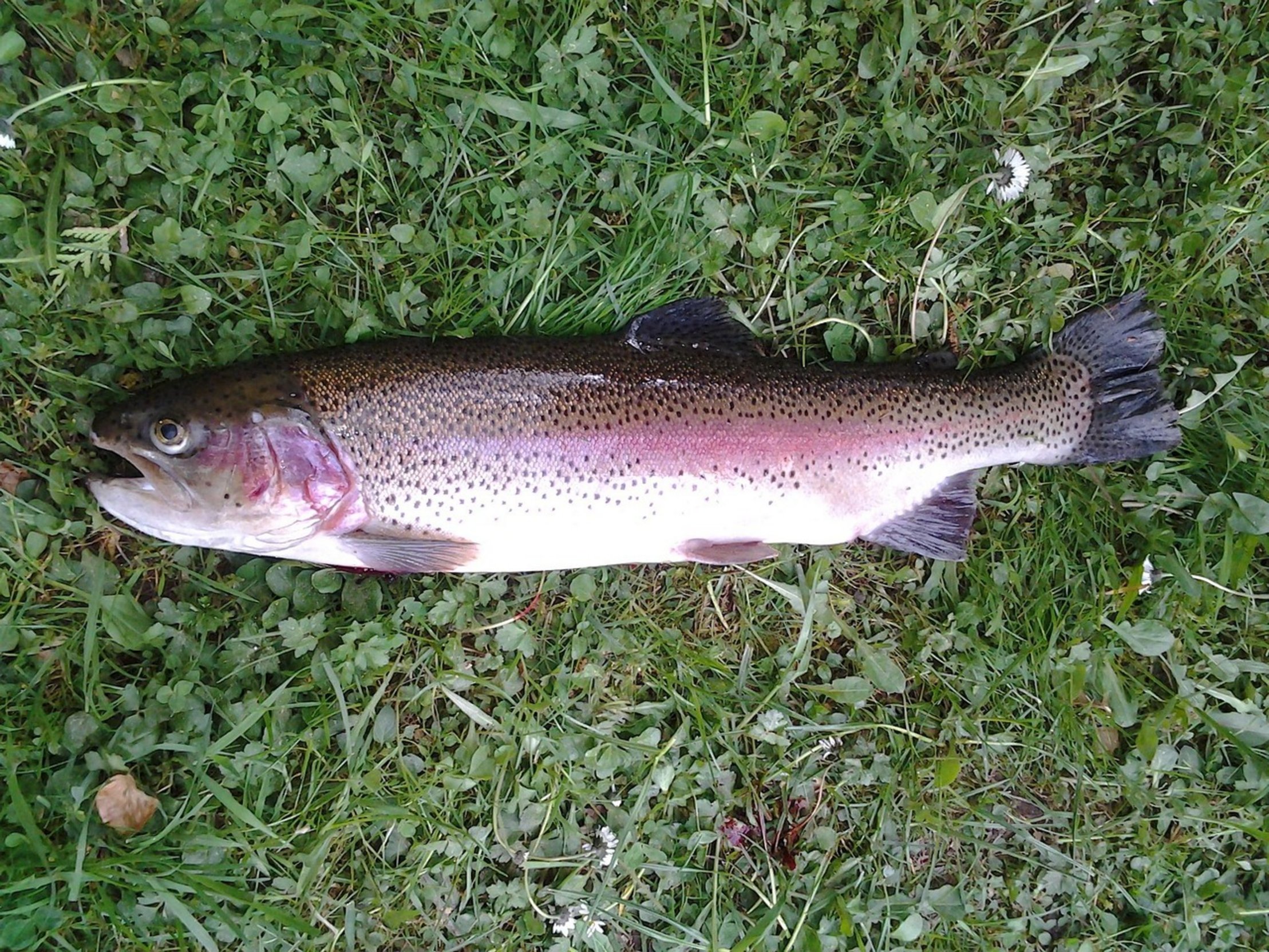
Because they grow quickly and are very hardy, Rainbow Trout have become dominant species for stocking efforts throughout the state.
From La Crosse to Green Bay, the Department of Natural Resources stock millions each year in ponds, rivers and lakes. Because they can withstand slightly warmer water temperatures different than Brook Trout, they’re accessible to more angler in the summer months. Even in dirty water, their pink lateral stripe provide excellent visibility.
Rainbow trout are opportunistic feeders and will also readily accept most offering. Because they rely on sight instead of scent to locate food, reliable baits include spinners, spoons and nightcrawlers. During the day, these fish suspends in deeper water while moving shallower during dusk and dawn.
With this predictable behavior, you can get incredibly precise with your targets. You don’t need any fancy rig or expensive equipment. In fact, a simple setup outperform a complicated one when the fish are feeding near surface.
3. Brown Trout
On larger river systems such as Fox River system and the Wisconsin, the dynamics changes with the addition of Brown Trout. These European natives have carved out wild populations that adds to the stocked populations. Their colors is more muted, with shades of yellow, brown, and olive and black spots.
And they tend to be bigger than other common species. In fact they resemble both bass and walleyes until you shine some daylight on them. Brown Trout inhabit deep runs and slow moving pools near bottom.
Their diet consist of smaller fish, insects, and crayfish. They attack from the shadows where they feel secure and wait for food to come to them. Success for anglers require slower presentations and heavier line.
Because Browns don’t chase down prey but rather wait for it, patience is key. When an angler hooks one, there’s no doubt about it, it’s a trophy fish. Because they are so large and strong, catching a Brown Trout give you something to brag about.
Among all of the trout of Wisconsin, the Brown is the top hunter and should of been respected by anglers who know about river life.
4. Lake Trout
The lakes is deep. Some big inland lakes have Lake Trout as well, but they will also be found in the bottom cold waters of Lake Superior.
They are an old species of fish that can get very big (over 20 pounds). They will roam up and down in the water column chasing prey, and they outlive other trout that spends time in streams. Unless you’re trolling deep on migration times, you’ll rarely encounter them on recreational outings.
To target them, you need specialized tackle to make presentations deep. Heavy duty reels and rods is common, as these fish stretches line for long periods and put pressure on tackle. It’s more about technique and endurance than lightening fast action.
The fact that most fishermen rarely see them makes it all the more mysterious. If you do hook one, you’re connecting with a survivor who has been able to thrive in tough circumstances for decades.
There’s something different about each species.
You get the reward of brook trout in the clean water if you can be stealthy and precise with your casts. You’ll find plenty of action and consistent success throughout the state with rainbows. Browns demand heavier methods and patience in river systems.
Lakers will push your limits and equipment in deeper water. What you go after depends on what suits your goals, gear and location. So make the right choice because the water is waiting for you.