
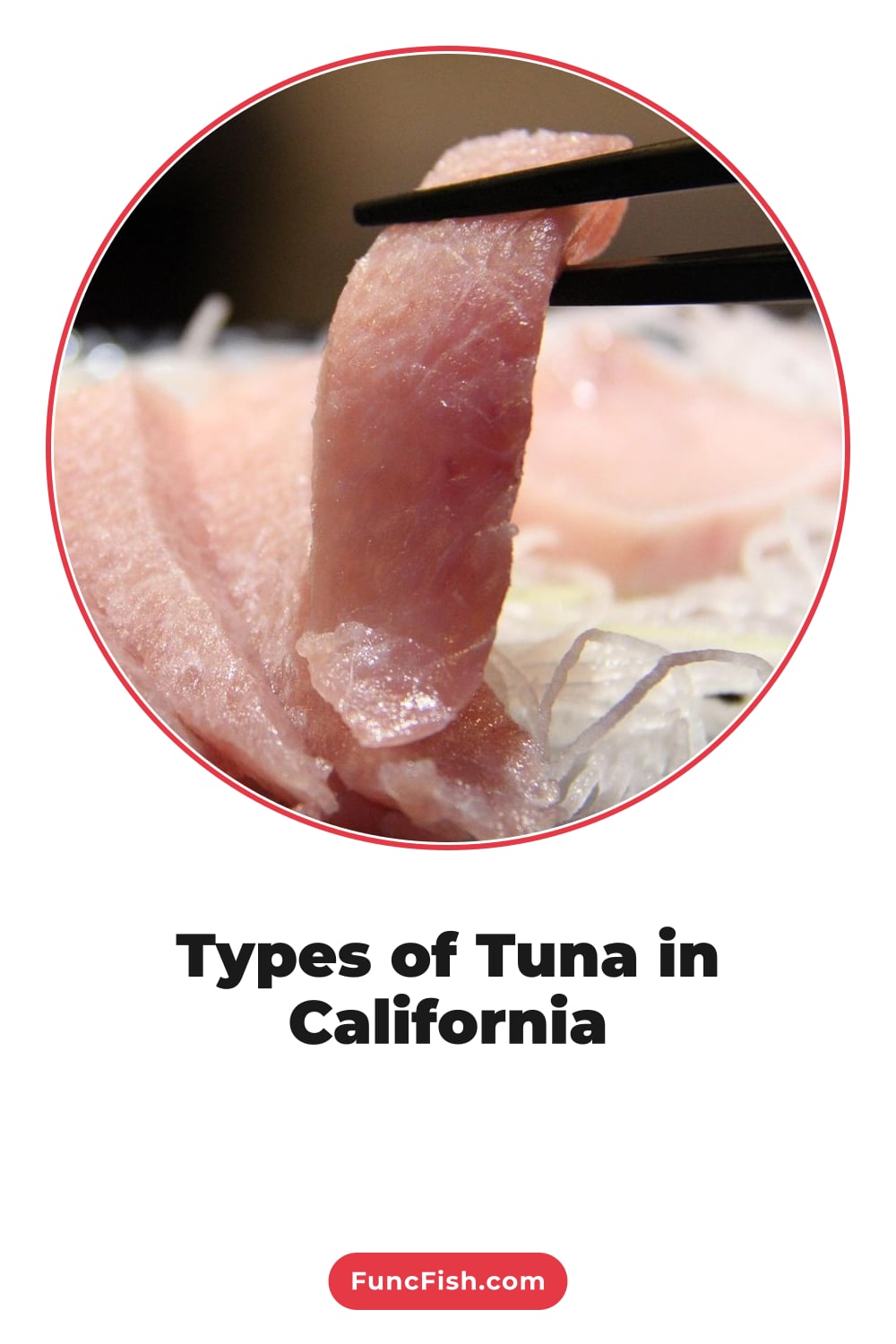
The coastlines along California is home to some of the finest seafood in the world. Because it is so close to the Pacific Ocean, the state are host to some of the freshest tuna you’ll find anywhere; the fish has less environmental baggage than fish shipped from distant waters. Knowing which varieties of tuna is available where can make your shopping, and cooking, more focused.
It transforms an ordinary grocery run into a hunt for the good stuff. For one thing, there is a difference between types of tuna. It determines what they will taste like, how much fat they have, how they’ll feel in your mouth.
You wouldn’t want to take that tender fish best served with a light sear out on the grill, would you? Or slather those rich cuts with lots of sauce when they’d be better dressed simply? Knowing your fish will let you make sure you’re making dinner right.
Best Types of Tuna Found in California
1. Bluefin Tuna
On west coast, most expensive fish of all is bluefin tuna. A relatively rare item here, this fish travels along deep cold waters off Alaska and northern California. When you do see some bluefin, it’s either imported with great care or caught within a sustainable fishery.
The flesh of bluefin are very red and marbled with large amounts of creamy white fat. Bluefin is considered the gold standard when it comes to high end tartare and sashimi. Its concentrated flavor and rarity make it worth paying for.
Bluefin is best used in raw preparations that maintain the delicate fat structure. Cook it too far and the premium texture goes to waste.
2. Yellowtail Tuna
The star of California waters are Yellowtail tuna, known here as ahi. It’s a big, strong tuna from Baja and San Diego kelp forest waters. It has a firm texture, though less so than bluefin, and a strong clean ocean taste that resists heat. That makes it a solid contender for smoking, broiling and grilling.
On the grill, its flesh will hold well. It’s favored by chefs because it works equally well for hearty cooked dishes and also raw preparation. Look for it at your local fish market during summer into early fall.
When you sear yellowtail rare, the inside remains tender with just a touch of pink.
3. Albacore Tuna
Then there’s the profile of albacore tuna. While often found canned as “white tuna,” fresh albacore is mild and light in flavor, a leaner fish different than its darker relatives.
Northern and central California waters is teeming with albacore, especially around Monterey Bay. Pale in color and firm in consistency, it’s great for steaks you’d like thoroughly cooked. Because of its lack of rich marbling (compared to bluefin), albacore can be helped by bold seasonings and even marinades.
Many cooks don’t think of using albacore for raw preparations because it lacks a buttery mouthfeel. For these dishes, think of albacore more like a lean steak or a good cut of chicken. When pan-seared with a citrus herb crust, it show its clean flavors without drowning them out.
4. Skipjack Tuna
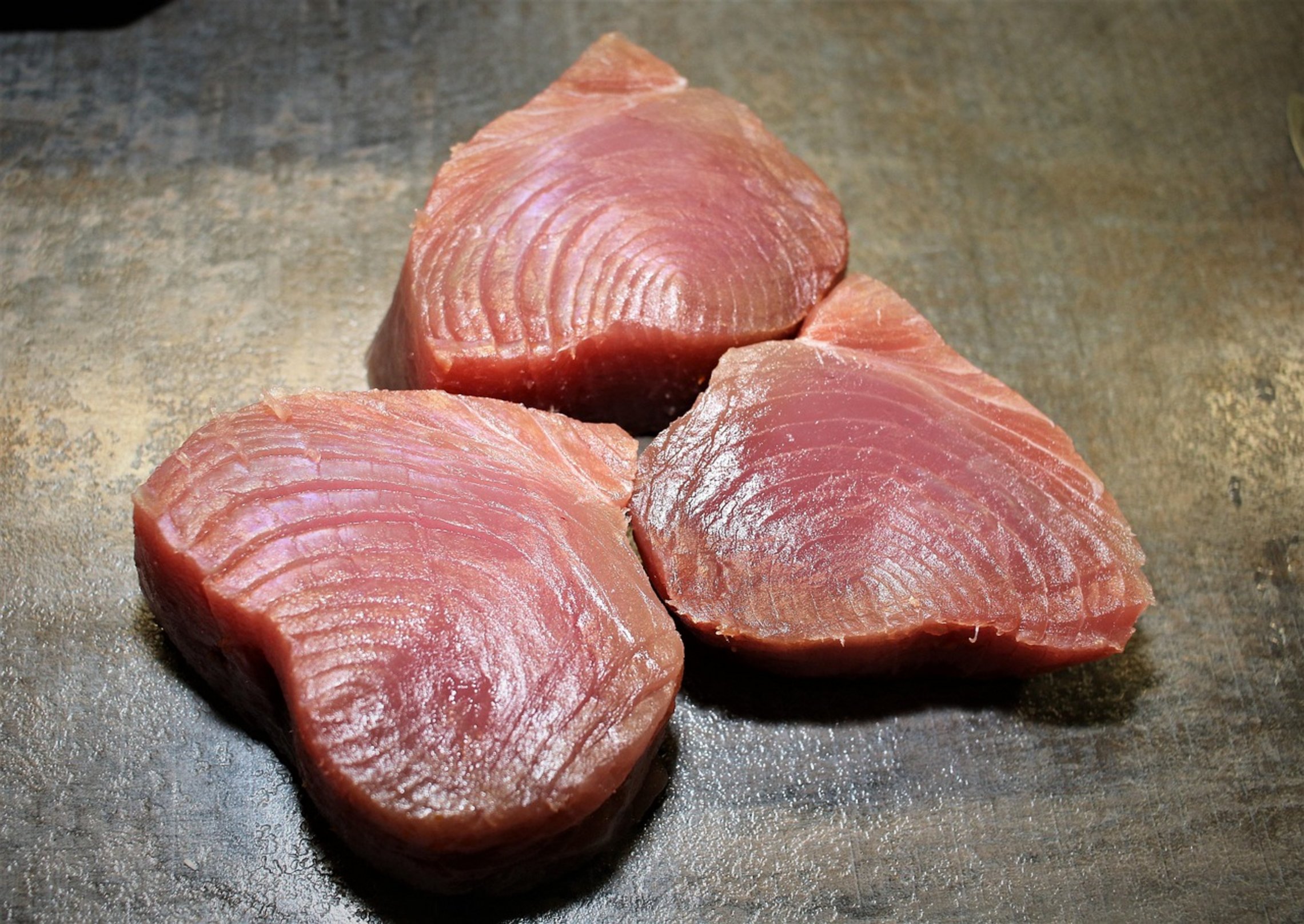
Skipjack tuna is the tuna’s workhorse; it is plentiful and smaller than other tunas, which keeps its price affordable. Its meat is darker (and therefore higher in fat) and it has a stronger, more metallic flavor that can be too intense for certain palates. Because of this, skipjack works well paired with bold sauces like heavy rubs, spicy mayo, or teriyaki glazes.
Simply-salted or plain, it doesn’t shine on its own. Let the seasoning take the lead. If you’ve had poke bowls at local restaurants, chances are you ate skipjack; it’s also common on grilled tacos where the condiments hide the stronger notes.
For the home cook looking for a less expensive way to enjoy eating tuna, skipjack is a forgiving fish.
5. Little Tunny
The little tunny is a small but mighty fish common along the coasts of Baja Mexico and southern California. Resembling a miniature tuna, it has a mild, sweet flavor that’s preferred by those that find the larger tuna varieties too “fishy”.
Tender and easy to break down, this fish need to be handled gently. Most commonly eaten as small steaks or grilled whole, little tunny cooks up fast due to its size and can dry out if overdone. To further highlight the naturaly sweet flavor, many chefs simply sear the fish in olive oil and garlic.
An underrated fish, little tunny should of see more attention on local restaurant menus. Experimenting with the full range of tuna flavors starts here. Try little tunny, it’s a low risk introduction.
There is a unique taste with each of these species. Depending upon the desired flavor and method of preparation, one variety or another may be the best option. Next time you’re at your local fish counter in California, don’t just take that generic label.
Request the specific type and pair it with the dish you intend to prepare. Your tongue will reward your hard work.