
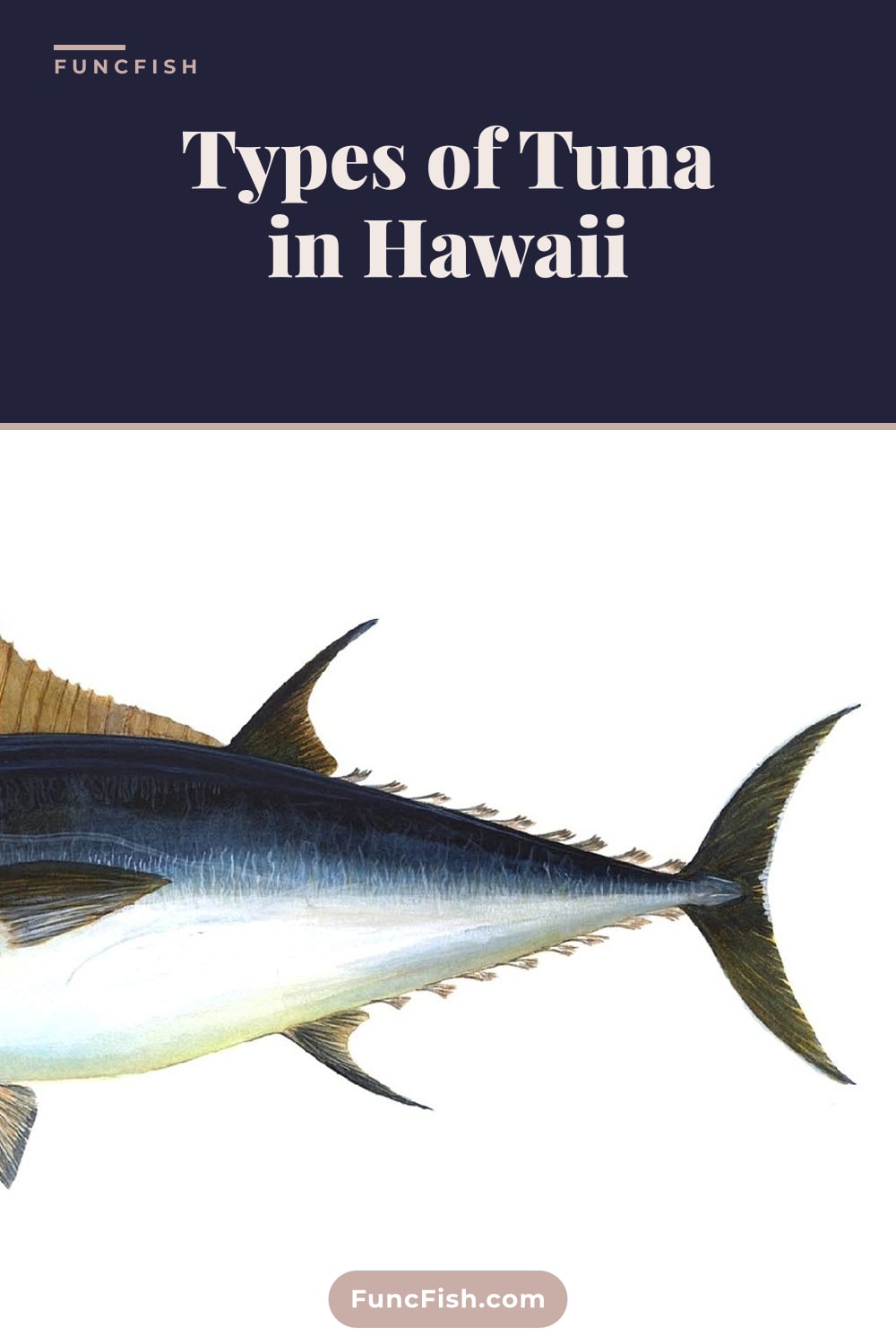
The waters of Hawaii are a location that is very good for tuna. The currents that move around the Hawaiian Islands tends to draw in some of the prize swimmer of the ocean. Whether you are found on a charter boat or on a sushi restaurant menu in the area, the type of tuna that you find will have an impact on your experience.
The flavor, texture, the season of the tuna, and the price of the tuna are all going to change depending upon the species of tuna that people are selling or catching. By knowing the different types of tuna that live in these waters, you can make more informed choices when you are at the market, on the boat, or in the kitchen. Each type of tuna can have a different personality.
Some species of tuna can put up great feats of strength when anglers attempt to catch them, while other tuna species has a much softer texture to the meat of their bodies. Furthermore, some species of tuna are best enjoyed raw, while other species are better seared or grilled. In the list that follows of the different types of tuna that live in the Hawaiian waters, the text will discuss each type, beginning with the most famous of tuna species to the less famous fish in these waters.
Common Species of Tuna Found in Hawaii
1. Yellowfin Tuna
Yellowfin tuna, known as ahi in Hawaii, is the most common and important tuna species in the Hawaiian Islands. These tuna species can reach speeds that are faster than most boats in the oceans around the islands. Ahi tuna species weigh between forty and eighty pounds on average, but over two hundred pound tuna have been spotted during the summer months.
The flesh of yellowfin tuna is bright red in color, has a firm yet tender texture, and features a mild flavor that works well in poke, sashimi, or as grilled steaks. This species of tuna is known for its versatility. The yellowfin tuna contains enough fat to remain moist when grilled, yet the tuna does not contain enough fat to be heavy when eaten raw.
Fishermen can catch yellowfin tuna using tuna trolling gear or purse seines, but many sport anglers enjoy attempting to catch these tuna due to their acrobatic fights when anglers reel them in using light fishing gear. When the word ahi is used on a menu in Hawaii, it almost always refers to yellowfin tuna. A disadvantage of yellowfin tuna is that it is often heavily fished in the area, so it is best to look to the sustainability rate of the tuna species, or better yet, purchase tuna species from smaller boats.
2. Bigeye Tuna
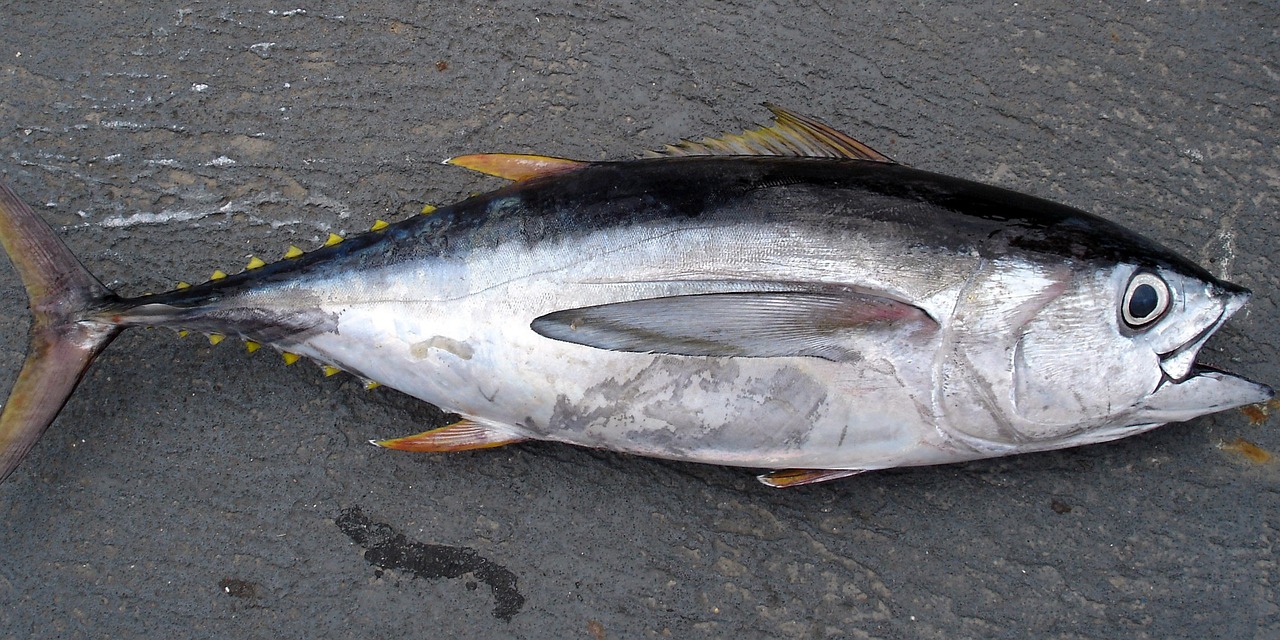
Bigeye tuna is the favorite of those who are true tuna connoisseurs. The bigeye tuna species have larger eyes than other species of tuna, they have deeper bodies, and their fat content is higher than yellowfin tuna. Bigeye tuna in Hawaiian waters weigh between sixty and one hundred twenty pounds, but tuna that weigh two hundred pounds have been spotted.
The bigeye tuna meat features a darker color than yellowfin tuna, contains more richness to its flavor, and is considered to be more buttery in taste. The bigeye tuna contains more fat because they dive deep into the ocean during the daytime to catch fish in the colder water. Bigeye tuna are also spotted near the Hawaiian Islands during the winter months when the ocean temperatures drop in the region.
However, bigeye tuna are considered to be more difficult to catch than other species of tuna, and thus they are more valuable and expensive. If you desire the silkiest texture when eating raw tuna in Hawaii, bigeye tuna would of been the best choice.
3. Skipjack Tuna
Skipjack tuna may not appear to be the most impressive of the tuna species, but they is essential to the culture of the Hawaiian islands.
Skipjack tuna is a smaller species of tuna, weighing between six and fifteen pounds on average. These tuna travel in very large schools and will eat almost any bait or lure that is cast into the ocean in search of these tuna species. Additionally, the flavor of skipjack tuna is stronger than yellowfin or bigeye tuna, and its texture is firm to the touch like steak.
In traditional Hawaii, people use skipjack tuna to prepare poke, using a heavy seasoning of inamona and sea salt. Additionally, dried aku is a snack food that is prepared from skipjack tuna, and it has been a staple food in the region for many generations. Additionally, because there are high rates of reproduction of these tuna, and because they live in schools of hundreds of individuals, there is a high level of resilience in the skipjack tuna population relative to other species of tuna.
Therefore, it is one of the better options for those seeking a sustainable seafood staple in their diets at a low cost.
4. Bluefin Tuna
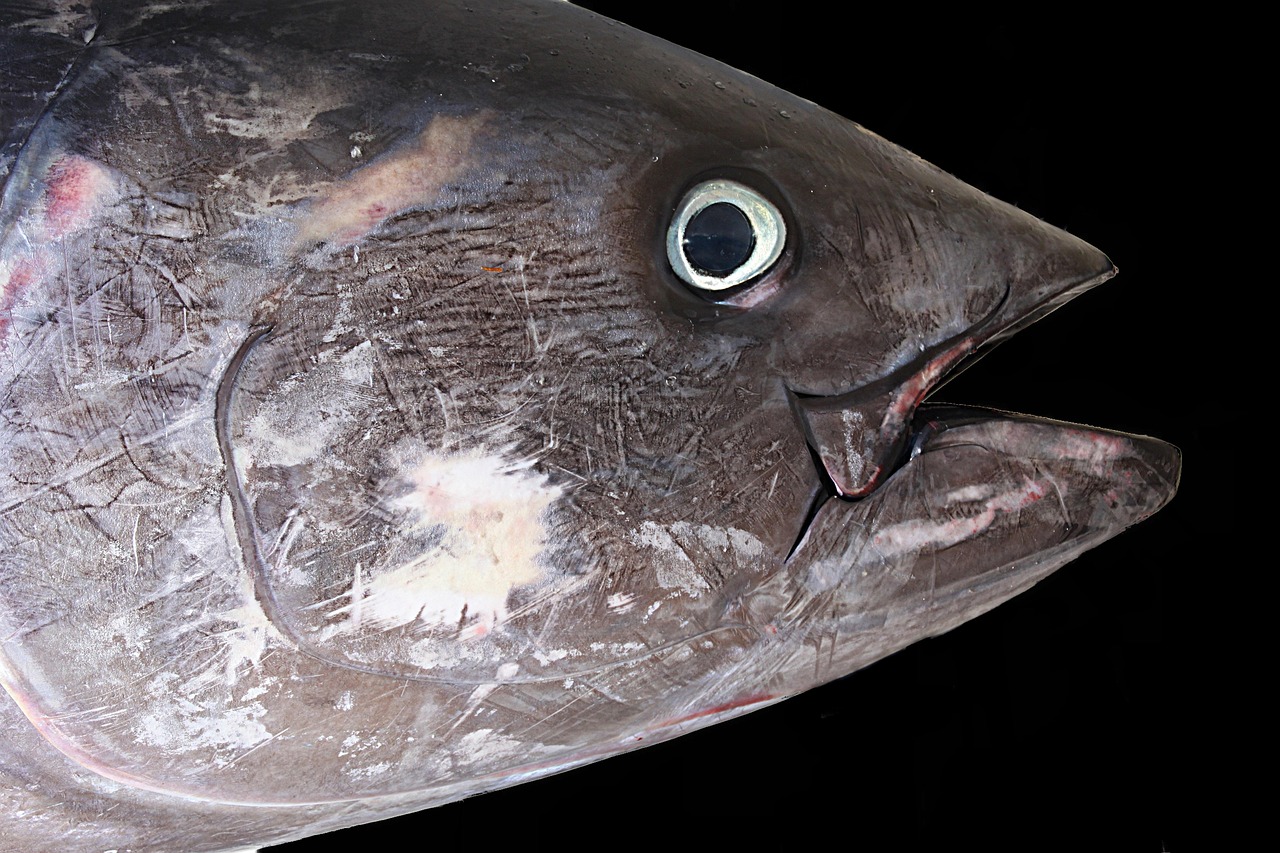
Bluefin tuna are one of the rare species of tuna to live in the Hawaiian Islands waters. However, when they do show up, they are memorable.
The bluefin tuna species are typically seen during the cooler months of the year, when they are migrating to or from their spawning grounds. Bluefin tuna are the largest of the tuna species in the world, with some individuals weighing over one thousand pounds. Additionally, the meat of the tuna features a deep red color and heavy marbling, and costs high prices in Japan.
Hawaiian fishermen often sight these tuna species when they go on long-range fishing trips. Additionally, the flavor of bluefin tuna is rich in flavor and tastes of the flavor of beef, and the texture of the tuna melts in your mouth to your eating due to the high amount of fat that they contain. Because many parts of the world heavily overfish bluefin tuna species, any tuna that is caught in Hawaii should be treated as a special and rare treat.
Any encounter with this tuna species will be one that you will not soon forget. The last species of tuna to discuss in the Hawaiian Islands is albacore tuna. Albacore tuna, or tombo in Hawaii, is a popular species of tuna.
5. Albacore Tuna
Albacore tuna can range between twenty and forty pounds. Additionally, albacore tuna is sighted during the spring and fall migrations of these tuna species. Albacore tuna features a lighter color in its flesh relative to other tuna species, and exhibits a texture that is delicate yet flaky in texture to the touch, similar to chicken.
Additionally, albacore tuna is a species that is excellent when grilled or seared due to the low amount of fat in their bodies. Albacore tuna is an excellent option to make canned tuna at the home kitchen. Additionally, albacore tuna schools around underwater banks and seamounts in these seas, making them an attraction to those who use trolling gear.
However, the downside of albacore tuna is that it often contains higher amounts of mercury than other tuna species like skipjack tuna. Therefore, it should be consumed in moderation. Each of the tuna species discussed have a place in the Pacific Ocean in the Hawaiian Islands.
Yellowfin tuna is the most popular of the tuna species. Bigeye tuna is one of the more luxurius options relative to other tuna species in Hawaii. Skipjack tuna allows individuals to connect to the traditional food recipes of the Hawaiian Islands and provides budget considerations for those on a budget.
Finally, bluefin and albacore tuna are two of the more memorable species encountered by visitors and residents of the region. Therefore, the next time you are at a fish market, or even on a menu in Hawaii, take a moment to consider the different species of tuna that may be offered. Each of these species will change the recipe that you prepare, how you cook the tuna, and how much money you must spend to enjoy the meal.
However, more importantly, knowing the species of tuna will connect you to the location of the Hawaiian Islands, its currents, its seasons, and the fishermen that keep it as one of the best spots on the planet for tuna fishing and tuna consumption in its many forms.